
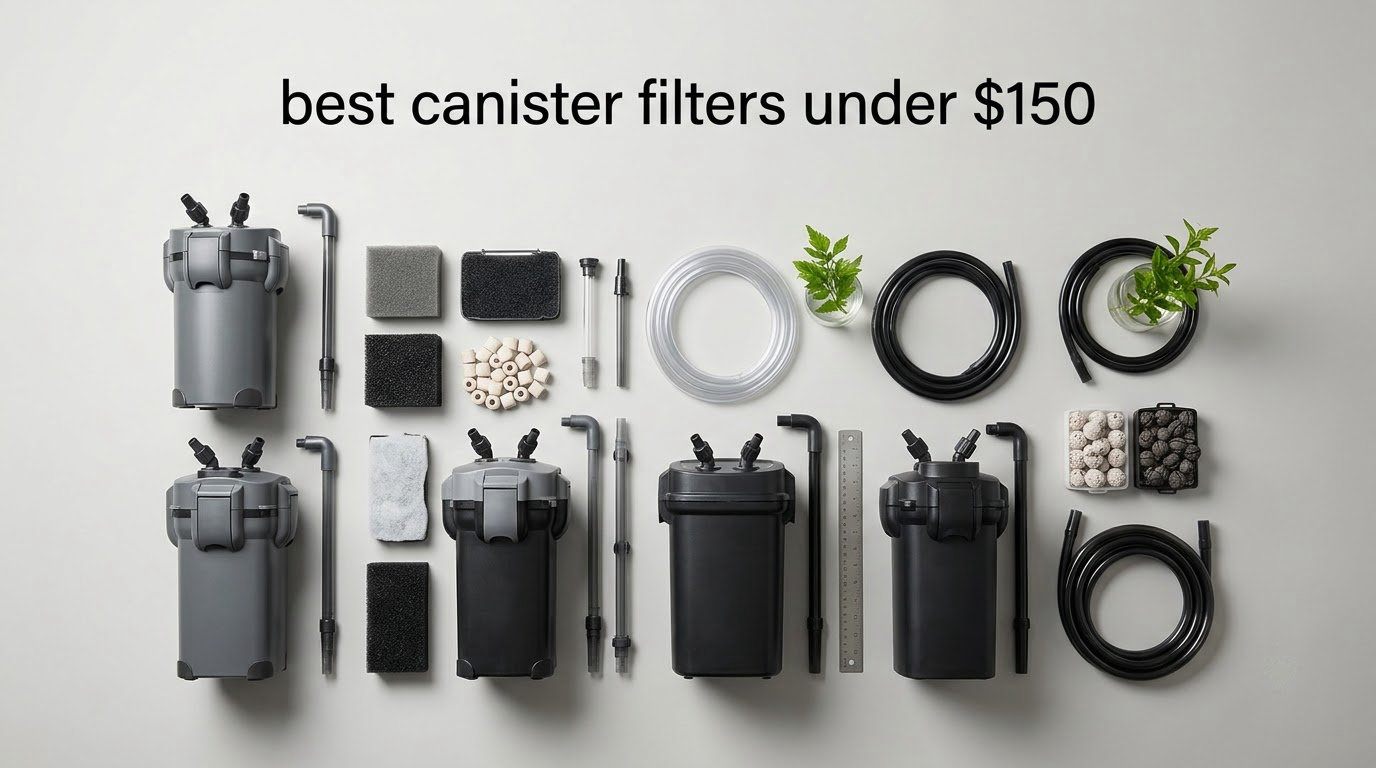
Most aquarium filtering advice starts at the wrong end. It tells you that filtration is the single biggest driver of water quality, then hands you a premium canister that costs more than the tank stand. This roundup goes the other way: every filter below sits well inside a strict budget ceiling, and we picked them on the things that actually break tanks. Flow rate that survives loaded media, a media capacity you can fill, valves that seal, and a brand whose spare parts you can still find in five years.
We spent weeks reading owner reports, comparing rated flow against real turnover, and weighing the failure complaints that show up again and again in aquarium forums. What came out of that is a list of ten budget canister filters that genuinely earn their place in a tank, plus a clear note on who should skip each one.
A few ground rules before you start. Canister filters are overkill below about 25 gallons, and a sponge filter beats a cheap canister for shrimp and betta setups where gentle flow matters more than volume. Everything here suits freshwater, and most of it works in saltwater too. Prices in this category move weekly, so read the specs rather than the sticker, and check the live price on the button when you buy.
Table of Contents
Top 3 Budget Canister Filters for 2026
Three picks cover most people reading this page. The Penn-Plax Cascade 500 is the one we would put in a 30 gallon tank with no hesitation, because it carries more owner history than anything else at this level. The Aqueon QuietFlow does more with its space than anything else near the top of our ceiling, and the SunSun HW-302 is the flow-per-dollar answer when the tank is bigger than the money suggests it should be.

Penn-Plax Cascade 500 Canis…
- 115 GPH for tanks up to 30 gallons
- Two large stackable media baskets
- Push button primer with 360 degree valve taps
- Freshwater saltwater and turtle ready
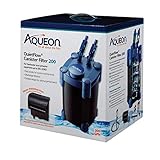
Aqueon QuietFlow Canister…
- Multi-stage biological chemical and mechanical
- Three return options including spray bar
- Hang-on-back polishing unit for fast service
- Quick disconnect valves and locking heads
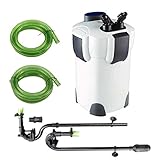
SunSun HW-302 3-Stage Canis…
- 264 GPH rated flow
- Three media trays with adjustable spray bar
- Self-priming pump with single valve disconnect
- Fresh and saltwater capable
All 10 Budget Canister Filters at a Glance for 2026
Here is the full lineup with the numbers that decide the fit. Rated flow is the manufacturer’s figure on an empty canister. Real turnover drops once media is loaded and the hoses are full of head pressure, so treat these as ceilings rather than promises. Every entry below is within our budget ceiling, and the live price is on each button.
| Product | Specs | Action |
|---|---|---|
| Penn-Plax Cascade 500 Canister Filter |
|
Check Latest Price |
| Aqueon QuietFlow Canister Filter |
|
Check Latest Price |
| SunSun HW-302 3-Stage Canister Filter |
|
Check Latest Price |
 EHEIM Classic Canister Filter 2213 EHEIM Classic Canister Filter 2213 |
|
Check Latest Price |
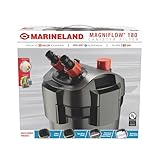 Marineland Magniflow 180 Canister Filter Marineland Magniflow 180 Canister Filter |
|
Check Latest Price |
 Flexzion 370 GPH Canister Filter with UV-C Flexzion 370 GPH Canister Filter with UV-C |
|
Check Latest Price |
 Zoo Med Turtle Clean 30 Canister Filter Zoo Med Turtle Clean 30 Canister Filter |
|
Check Latest Price |
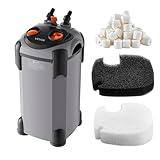 VEVOR 224.5 GPH 3-Stage Canister Filter VEVOR 224.5 GPH 3-Stage Canister Filter |
|
Check Latest Price |
 Marineland Magnum 290 GPH Polishing Canister Marineland Magnum 290 GPH Polishing Canister |
|
Check Latest Price |
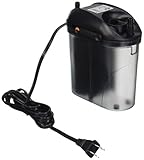 Zoo Med Nano 10 External Canister Filter Zoo Med Nano 10 External Canister Filter |
|
Check Latest Price |
Who Makes the Best Canister Filters in This Price Range?
Short answer: Penn-Plax leads on proven durability, Aqueon leads on included media and serviceability, and EHEIM leads on build quality and parts. Fluval is the strongest name in aquariums generally, but its popular canisters sit above this ceiling.
Brand reputation does not transfer evenly between models, and that is the honest caveat. A r/PlantedTank user warns that Oase FiltoSmart owner reviews are mixed, which is exactly the pattern we see with budget lines generally. Buy the model, not the badge.
Penn-Plax – The Cascade series has the deepest owner history on this list, with a volume of long-term reports that nothing else here matches.
Aqueon – Puts a hang-on-back polishing unit on top of a canister, which turns media changes into a two-minute job.
EHEIM – The Classic line is a European design with a silicone pump-head seal and parts you can still order years later.
Marineland – Wide range with stackable trays and a prime button, though hose connections are the recurring weak point.
SunSun and VEVOR – Highest flow numbers per pound spent. The trade is looser quality control and thinner support.
Zoo Med – Specialises in turtle and nano tanks rather than general-purpose canisters.
Flexzion – Bundles a UV-C stage with a high flow pump, which is unusual at this level.
How We Picked: Flow, Turnover and Real-World Reality
We ranked these on four things. First, rated flow against a target of four to five times tank volume in gallons per hour, which is the rule most experienced keepers quote. Second, media capacity, because a canister that holds two small baskets is really a hang-on-back filter in a box. Third, the valve and seal design, since a leak ruins a tank faster than weak filtration ever does. Fourth, noise and power draw, because half of these run in living rooms.
Use this lookup before you read a single review. It assumes four to five times turnover, which suits most community and planted tanks.
Tank up to 10 gallons: look for roughly 40 to 60 GPH. Tank up to 20 gallons: 80 to 100 GPH. Tank up to 30 gallons: 115 to 180 GPH. Tank up to 55 gallons: 220 to 290 GPH. Tank up to 75 gallons: 300 to 370 GPH. Tank up to 100 gallons: 370 GPH and above, or two smaller canisters.
That last line is worth pausing on. A r/Cichlid owner who bought a Penn-Plax Cascade 1500 for a 90 gallon tank years ago and now buys nothing else is the strongest endorsement on this whole topic, and the same owner runs the strategy of pairing cheaper canisters rather than chasing one big unit. Running two 115 GPH canisters gives you redundancy, a spare on hand, and even distribution along the back glass.
1. Penn-Plax Cascade 500 Canister Filter – The One to Beat
Penn-Plax Cascade 500 Canister Filter – 115 GPH Aquarium Filter for Tanks Up to 30 Gallons – 360 Degree Flow Valves, Poly Fiber Pads, Bio-Sponge & Activated Carbon -Fresh & Saltwater -11.5x9x13.5in
115 GPH
Tanks up to 30 gallons
Push button primer
360 degree valve taps
Pros
- Clear affordable alternative to premium imported canisters
- Transparent housing shows the water and media inside
- Large baskets take cheap hand-cut floss and mixed media
- Runs quietly and reliably for years
- Freshwater saltwater and turtle use
Cons
- Priming can be stubborn and needs extra cycles
- Plastic impeller shaft instead of stainless
- Small impeller gasket seals are hard to find
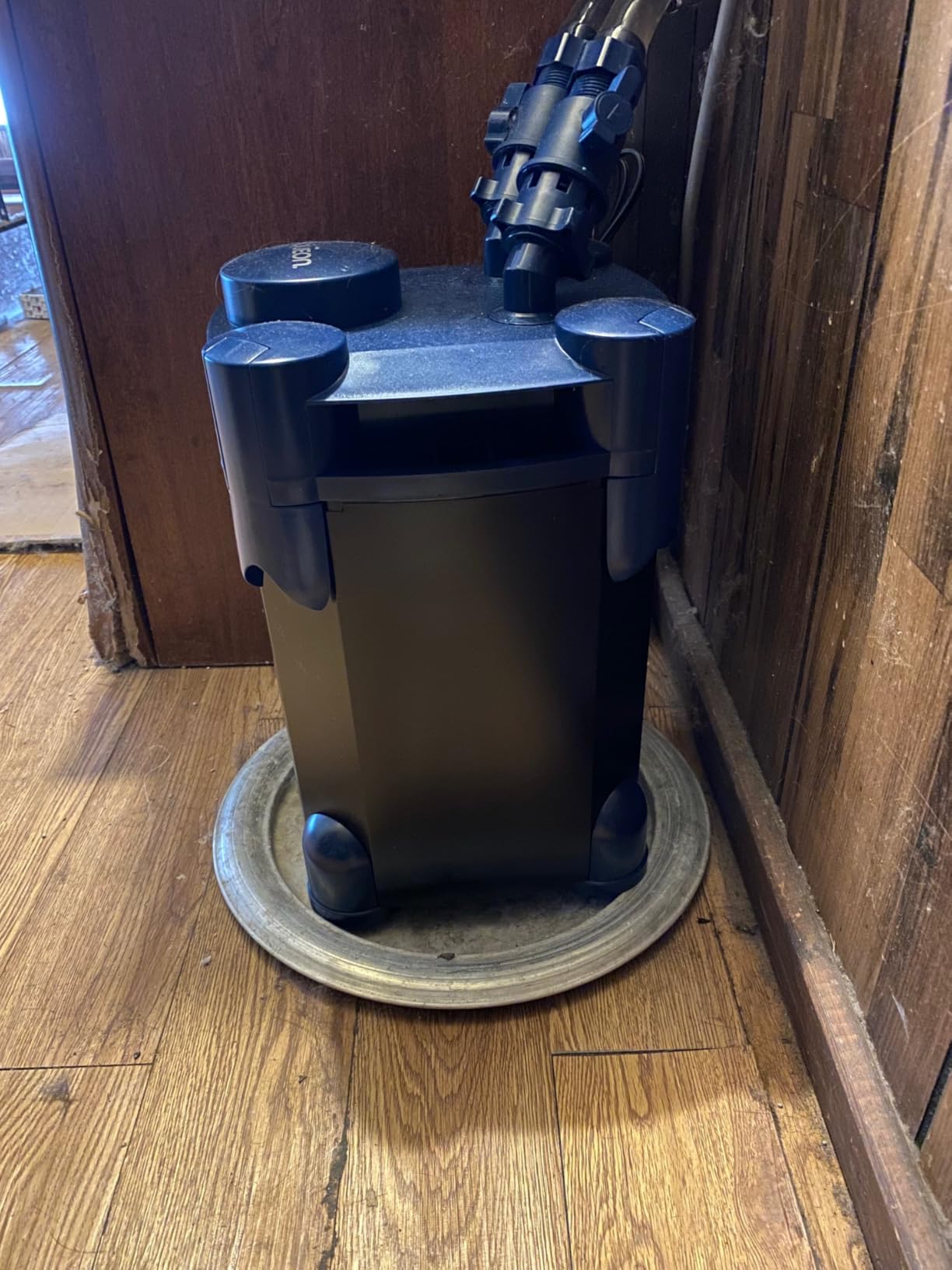
The Cascade 500 is the pick we would put in front of almost anyone. It moves 115 GPH, which is a clean match for a tank up to 30 gallons, and it carries by far the largest body of owner reports on this page. When a filter has been running in ordinary kitchens and playrooms for a decade, the failure modes are known rather than theoretical.
What I like is the transparency. The clear canister lets you watch water move through the media, which makes it obvious when the floss is loaded and when the bio-sponge has gone anaerobic. The two large stackable baskets with built-in handles take cheap hand-cut poly floss in the top and a coarse bio-sponge plus carbon bag underneath, and you fill them in minutes.
The 360-degree rotating valve taps are a small thing that turns out to matter a lot. Instead of fighting a stiff hose at the cabinet, you rotate the tap toward the hose and it seats. Combined with the push-button primer, startup is one hand on the button and one on the bucket you are draining back into the tank.
Specs worth writing down: 115 GPH rated flow, 10.5W draw, two large stackable baskets, 110V 60Hz, and a footprint of 11.5 by 9 by 13.5 inches. Rated TDS support goes to 3000 ppm, so saltwater is within scope, and the brand markets it for turtle habitats too.
Who the Cascade 500 suits
It suits first-time canister buyers who want a filter that will not need babysitting, and anyone running a densely populated 20 to 30 gallon tank where biological capacity matters more than raw flow. The included media package is genuinely complete, so there is nothing to buy on day one beyond maybe a spare carbon bag.
For planted tanks it is a solid choice, though at 115 GPH you will want to run a spray bar and aim it along the glass rather than straight across the substrate.
Where the Cascade 500 falls short
Priming is the honest complaint. Several owners needed extra cycles or the valve trick to get it to hold water, and on a new install that can feel like the unit is faulty when it is not.
The plastic impeller shaft is the other recurring note. It replaces the stainless steel used on older models, and the small impeller gasket seals are hard to source when one goes. Neither issue is a dealbreaker, but both are reasons to keep a spare on the shelf if you rely on this filter.
2. Aqueon QuietFlow Canister Filter – Premium Pick in the Range
Aqueon QuietFlow Canister Aquarium Filter, Up to 55 Gallons (ECOM)
Up to 55 gallons
Spray bar and polishing unit
Quick disconnect valves
1 year warranty
Pros
- Highest average rating in this roundup
- Multiple return options for shaping flow
- Hang-on-back polishing unit speeds up maintenance
- Complete media package included
Cons
- Replacement cartridges must be changed every 30 days
- Tall housing needs vertical clearance
- Heaviest unit in the group at 14.55 pounds
The QuietFlow carries the highest average rating of anything we tested for this piece, and the reason is that Aqueon solved a problem most budget canisters ignore. It stacks a hang-on-back polishing unit on top of the canister, so routine service happens at the top of the unit instead of on the cabinet floor with the lid off and water everywhere.
Return options are the other differentiator. You get a spray bar, a water director for shaping a gentle current, and the polishing unit, so you can change the flow pattern when you change the aquascape. That flexibility is why it works for planted tanks, low-flow breedings, and ordinary community setups without a second filter.
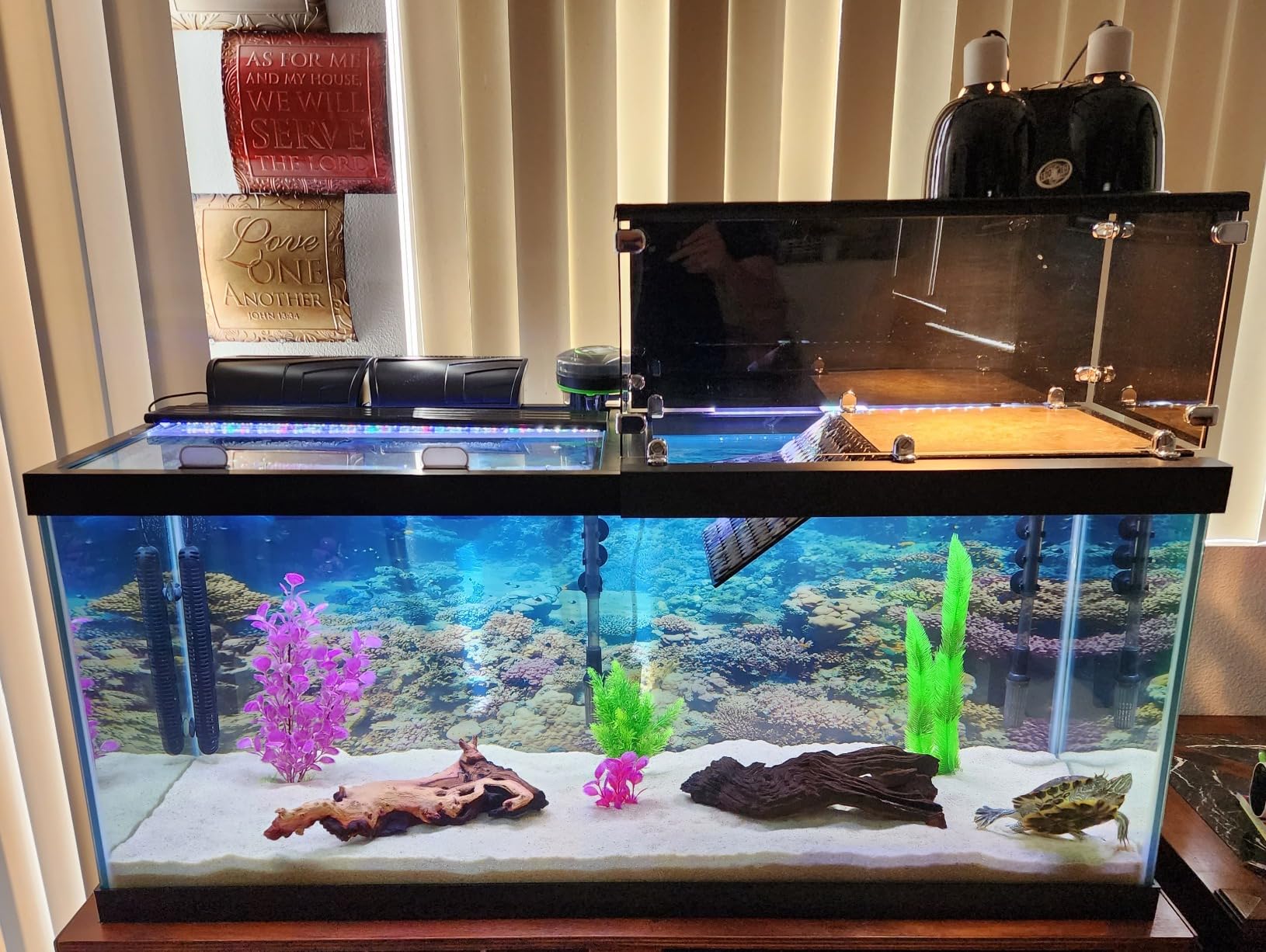
The maintenance schedule is documented rather than guessed: carbon every 30 days, foam pad rinsed as needed, white polishing pad changed as needed. A one year warranty is included, and quick disconnect valves, pump locking heads, hoses, media and carbon all ship in the box.
It is rated for tanks up to 55 gallons, and the body measures 8.5 by 7.5 by 17.25 inches. That height is the practical warning here, since the unit will not fit under every stand.
Why we rate it so highly
Media serviceability is the deciding factor. Almost every competitor forces you to pull the whole canister apart to swap a pad, and this one lets you open a small door on a lift-out cartridge. Owners consistently report clear water and quiet running, and the included package covers all three filtration stages.
It is also the safest first canister for a household that does not want a flood risk. The disconnect valves and locking heads are the most considered hardware in this group.
Where it is not the answer
The monthly cartridge cost adds up faster than any other running expense on this list. If you run carbon year-round and dislike buying a sealed cartridge every four weeks, the ongoing cost may outweigh the convenience.
Check your cabinet clearance before you commit, and be aware it is the heaviest unit here at 14.55 pounds, which matters if you ever need to move it upstairs or drain it for storage.
3. SunSun HW-302 3-Stage Canister Filter – Best Budget Buy
SunSun HW-302 3-Stage External Canister Aquarium Filter 264GPH
264 GPH rated flow
Three media trays
Adjustable spray bar
Self-priming pump
Pros
- Strong 264 GPH flow for the money
- Three separate media trays for custom setups
- Self-priming pump removes the need to siphon
- Quiet enough for living rooms and bedrooms
Cons
- Heavier than comparable canisters at 9.8 pounds
- Random electrical quality on some units
- Included media is basic
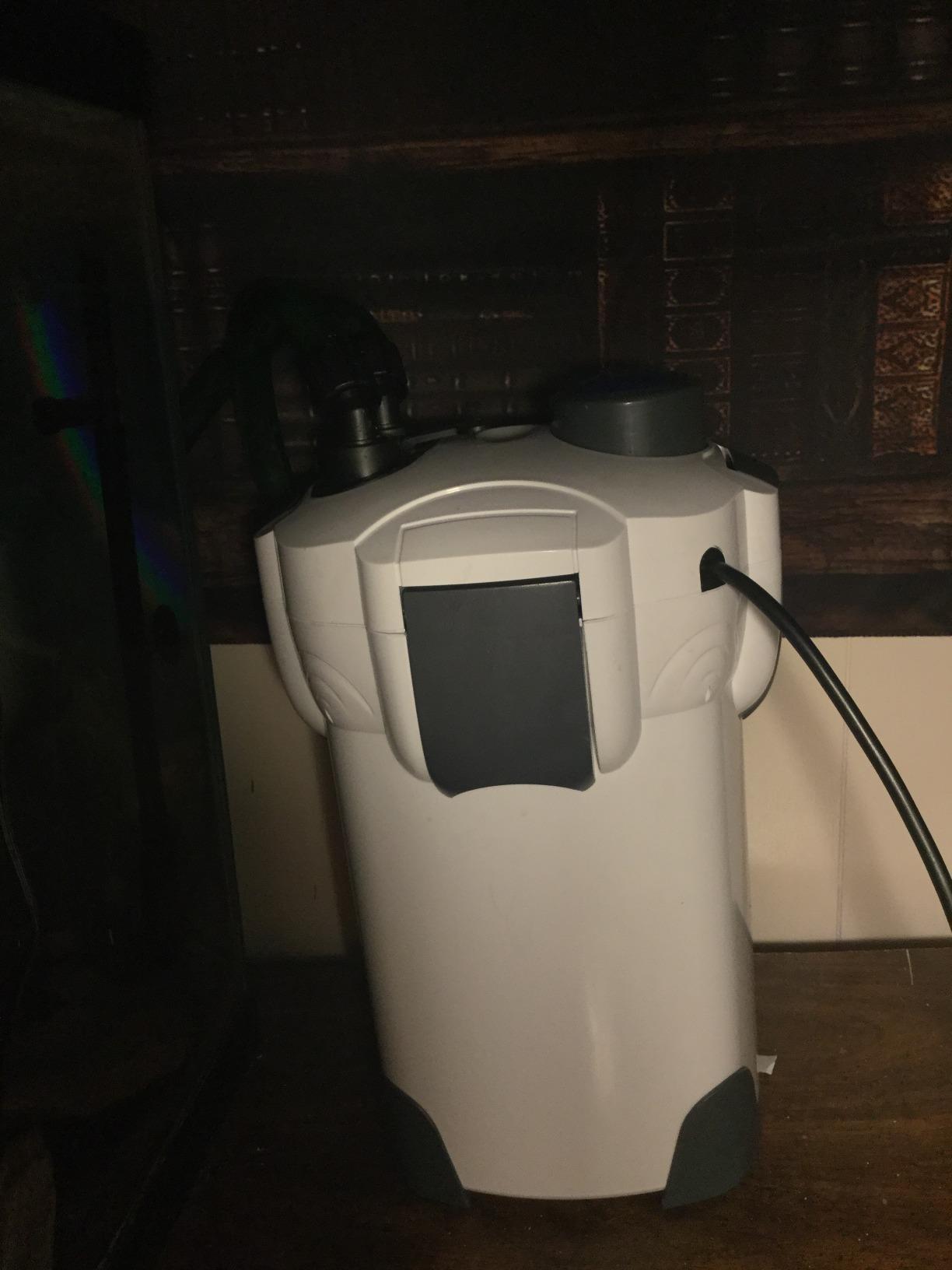
If the constraint is hard and the tank is not small, the HW-302 is the filter to look at first. It is rated at 264 GPH, which puts it in 55 gallon territory for a fraction of what the German and Canadian imports cost, and the three media trays give you more customisation than most units twice its size.
The high-pressure pump is the part that matters technically. A pump with real head pressure can push water through denser media and along a longer hose run, and that is what separates this from a cheaper pump that stalls once the floss is loaded. It can also be paired with an under-gravel filter to effectively double your filtration stages.
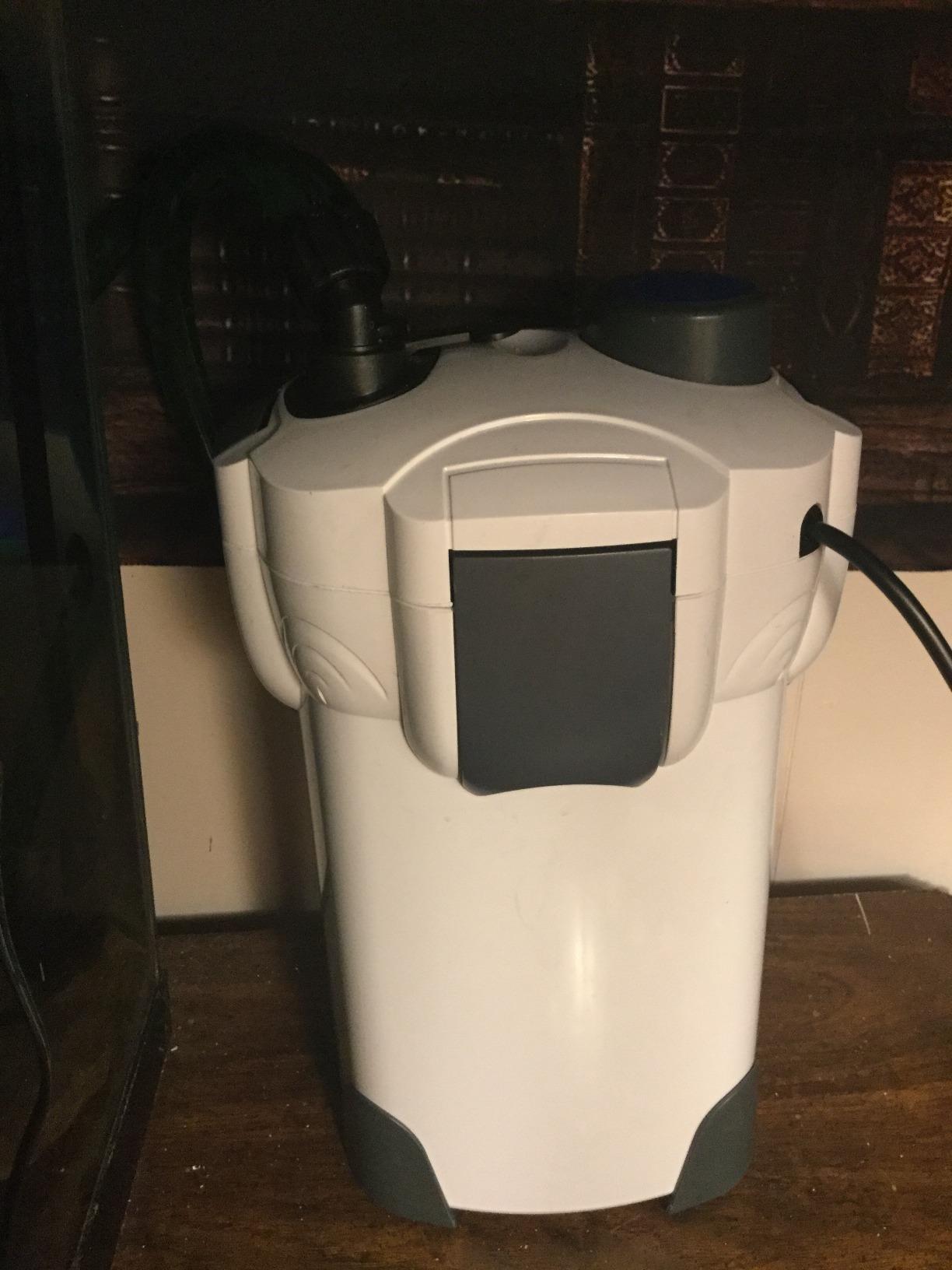
The self-priming pump removes the most annoying part of canister ownership. You close the return, press the primer, and the chamber fills without pulling a siphon hose into the tank. A single valve disconnect then means one twist to start a water change.
It suits both fresh and saltwater aquariums, and the adjustable spray bar lets you point the return along the back glass or across the surface to break it for gas exchange. Dimensions are 10 by 13 by 15 inches.
Where the HW-302 earns its place
It earns its place in a 40 to 55 gallon tank on a strict budget, particularly when heavy biological media is the goal. Three separate trays let you layer coarse floss, then carbon or resin, then a full basket of ceramic rings without compressing anything.
Owners also report it quiet enough for a bedroom or office, which is not a given at this price, and the single-valve disconnect makes weekly water changes fast.
What to watch out for
At 9.8 pounds it is heavier than the Cascade 500 and the Aqueon for less body, so plan your cabinet loading. Electrical quality is inconsistent, and some owners needed an inline adapter before the unit powered on reliably. Test it on a known-good outlet as soon as it arrives.
The included media is basic. Budget for floss, carbon and a bag of ceramic rings from the start rather than assuming the supplied media will carry a cycle.
4. EHEIM Classic Canister Filter 2213 – Best Value
EHEIM Classic Canister Filter 2213, Classic 250 – PetOverstock
Silicone pump head seal
Spray bar and inlet pipe included
Complete media kit
Variants for 40 to 92 gallons
Pros
- Long-established design with a durable pump head
- Silicone sealing ring stays on the head for reliable closure
- Generous media chambers for sponges and loose media
- Spray bar inlet pipe hose and valves included
Cons
- EHEIM branded media and parts cost more than generics
- Older housing design looks dated next to newer canisters
- Heavier and larger than similar priced models
The EHEIM Classic is the pick for people who would rather buy one filter and stop thinking about it. This design has been on the market since 2004, which means every seal, impeller and gasket is still catalogued, and an AquariumAdvice user rates the 2213 on a 15 gallon as easy to clean, flexible with media, and a strong performer.
The detail that earns the rating is the permo-elastic silicone sealing ring fixed to the pump head. Because it is attached rather than seated in a groove, it cannot get misplaced during cleaning, and the head closes on a consistent seal year after year. That is the opposite failure mode from the lid-gasket leaks owners report on other models.
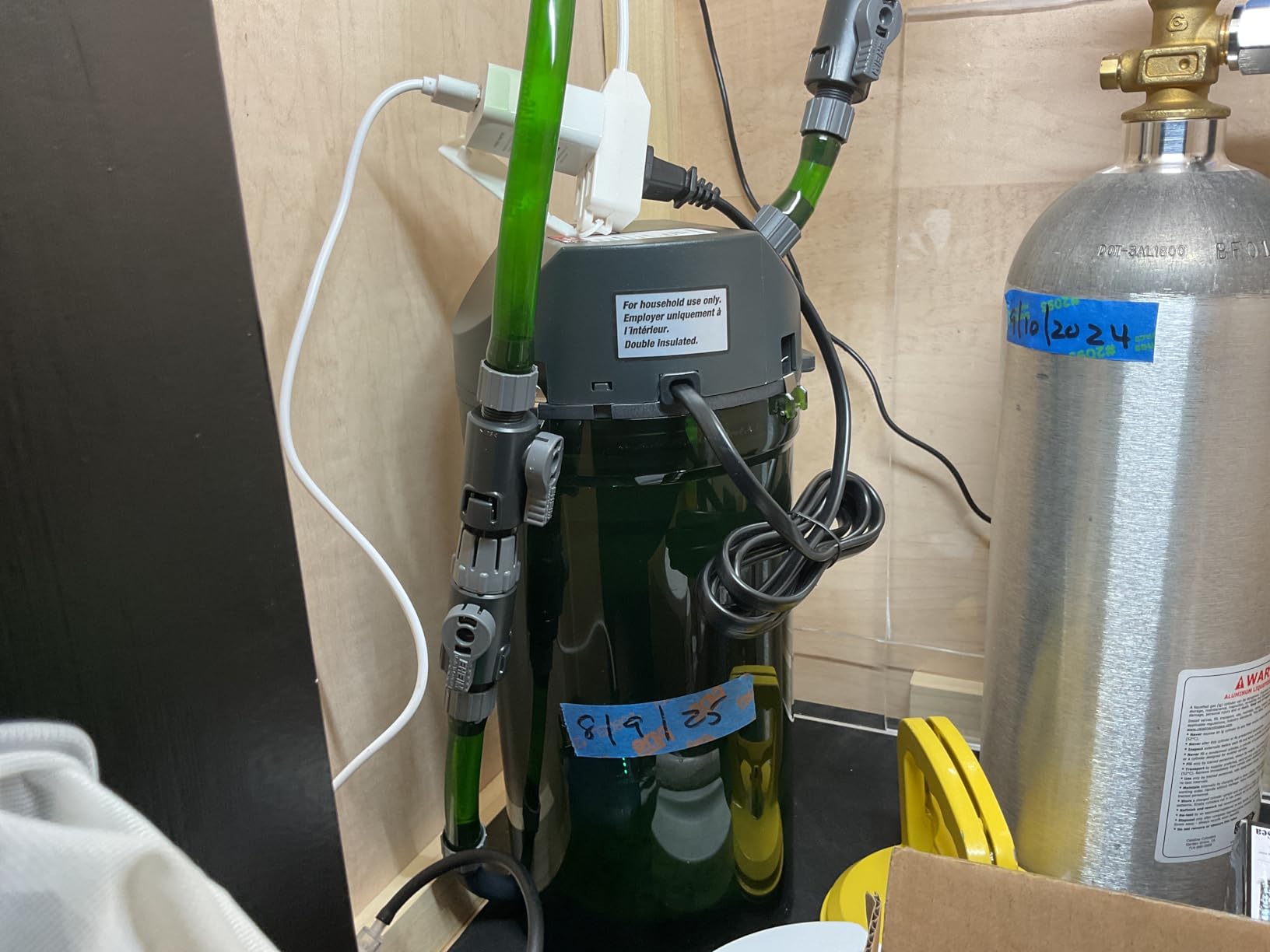
It arrives complete. Filter sponges, loose media, the spray bar, the inlet pipe, hose, installation accessories and EHEIM Mech and Substrat Pro media are all included, plus the valves. There is genuinely nothing to buy before first start-up.
Variants cover 40, 66 and 92 gallon tanks, and the body measures 8 by 6.3 by 13.98 inches at 4.49 pounds. That weight figure is the one anomaly here, and it is worth assuming the unit feels heavier fully loaded with wet media than the listing suggests.
Who should buy the EHEIM
Buy it if parts availability is your top priority, or if your tank is sensitive enough that a mid-project failure is not an option. The EHEIM brand is the safest long-term ownership bet in aquariums, and the Classic is its most serviceable canister.
It is also a good fit for anyone who dislikes the closed, replace-everything approach of cartridge-first filters, since the chambers take sponges and loose media in any arrangement you like.
Why some people skip it
There is no self-priming pump, and owners of Classic models consistently describe startup as manual and fiddly. Budget extra time for the first fill or plan to siphon it into position.
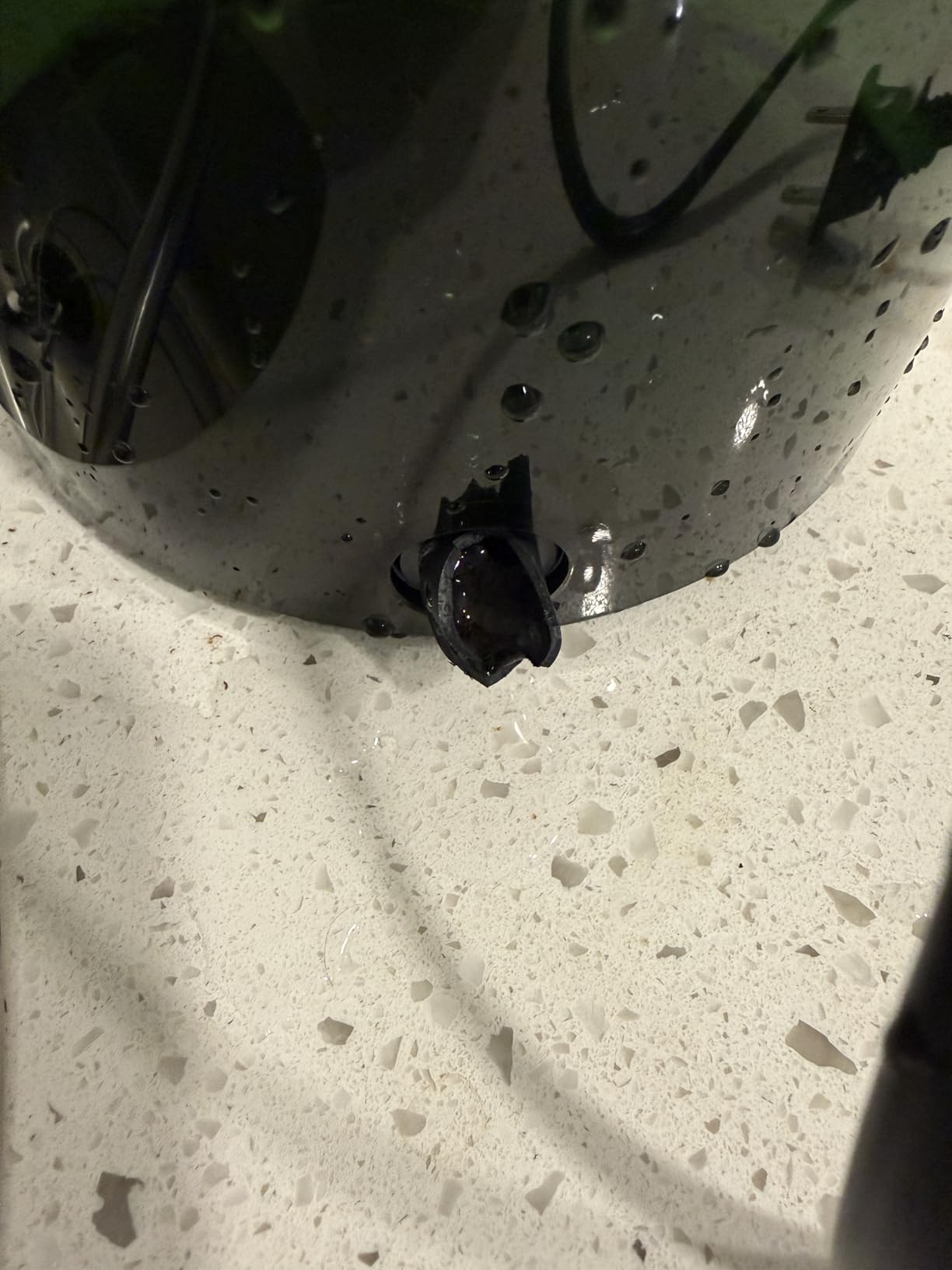
EHEIM branded media and spare parts cost noticeably more than generic equivalents, which over a few years erodes the value argument. The styling also reads as older hardware next to a modern budget unit, and the housing is larger than some similarly priced models.
5. Marineland Magniflow 180 – Best for Small Tanks
Marineland Magniflow 180 Canister Filter
180 GPH
Tanks up to 30 gallons
Quick prime button
Stack N' Flo trays
Pros
- Very quiet compared with hang-on-back filters
- Clears cloudy water quickly and keeps it clear
- Stackable trays allow flexible media choices
- Relatively easy setup for a first-time canister user
Cons
- Rigid plastic tubing and clamps slip and leak at the outlet
- Priming can require manually siphoning the outlet
- Small carbon bags rather than a washable element
- Some units leak around the lid gasket
The Magniflow 180 is the quietest canister in this roundup in our experience, and owners agree. If your aquarium sits in a living room where a hang-on-back’s surface agitation noise would bother you, moving the pump into a cabinet removes almost all of it.
The quick prime button fills the chamber for self-priming start-up, and the Stack N’ Flo trays force water through each media layer in sequence rather than letting it short-circuit. It is rated at 180 GPH for freshwater or saltwater aquariums up to 30 gallons, and it works with Marineland Rite-Size S media if you already own it.
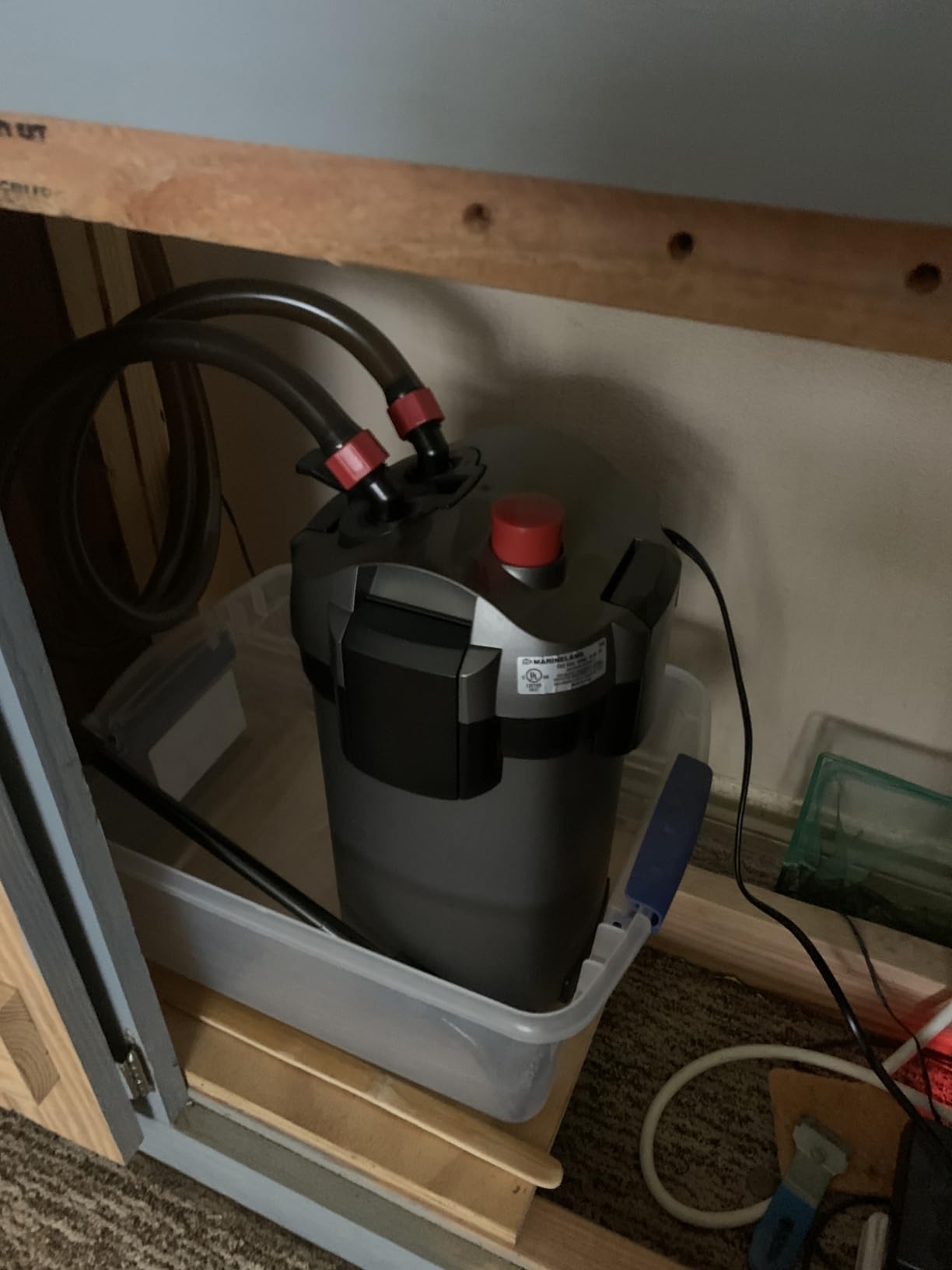
The media kit is complete: filter foam, activated carbon bags, bio-filter balls and polishing pads all ship in the box. Dimensions are 12.2 by 9.17 by 13.62 inches, and there are larger variants for 55 and 100 gallon tanks if you grow into it.
Owners report that it clears cloudy water quickly and keeps tanks visibly clear, which is the main reason it has accumulated so many owner reports at a moderate average rating.
Where the Magniflow works best
It works best in a 20 to 30 gallon community or lightly planted tank where quiet matters more than head pressure. The stackable trays let you keep plenty of biological media in the bottom basket, which is the right priority in a small volume of water.
It is also a comfortable second canister if you follow the two-canister strategy for a larger setup, since the trays accept the same media as its bigger siblings.
The connection problems to plan around
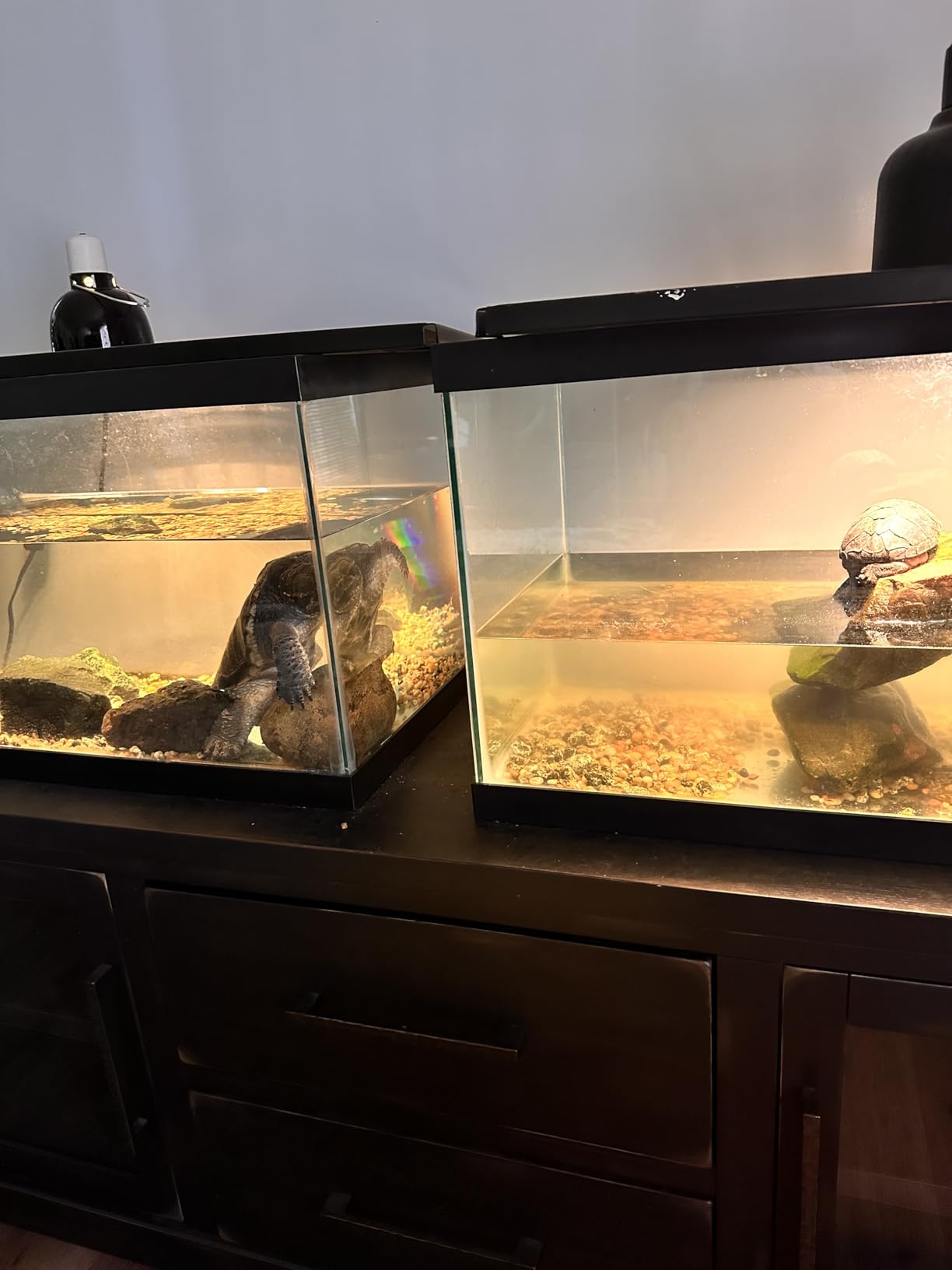
The most repeated complaint is connection hardware. Rigid plastic tubing and spring clamps are prone to slipping, which produces leaks at the outlet, and a few owners of the larger sizes report leaks around the lid gasket. Check every clamp by hand after the first week and re-seat them monthly.
Priming can also be stubborn, with some users siphoning the outlet manually to start flow. And the carbon comes in small replaceable bags rather than a washable element, which is a recurring cost line rather than a defect.
6. Flexzion 370 GPH Canister Filter – Best With a UV Stage
Flexzion Aquarium Canister Filter, 370 GPH, for Tanks Up to 75 Gallons
370 GPH
9W UV-C lamp
Tanks up to 75 to 100 gallons
Three stage media
Pros
- Strong 370 GPH flow combined with a UV-C lamp for clarity
- Runs quietly even with the UV unit on
- Good value against name-brand canisters doing the same job
- Simple setup and quick disassembly for cleaning
Cons
- UV-C bulb collects debris causes odor and burns out
- Some units leaked after months of use and took the motor
- Not recommended for turtle tanks
- Included media quantity is thin for the rated tank size
The Flexzion is unusual in this price band because it includes a 9W UV-C lamp alongside the pump. For a stocked freshwater tank with green water problems, bacterial blooms in the water column, or crystal-clear water without chemical polishers, that stage earns its keep.
Flow is rated at 370 GPH for tanks up to 75 to 100 gallons in fresh and saltwater, using three-stage filtration with biospheres and ceramic rings. The optimized spray bar distributes flow along the back glass and adds oxygenation, and the primer pump plus single-valve disconnect keep service simple.
Budget fishkeepers rate it as a capable, quiet workhorse for community and breeding setups, and it is a serious option if you have ever priced a UV-C canister and found the numbers uncomfortable.
What the UV stage does and does not do
A UV-C lamp exposes passing water to short-wave ultraviolet light, which damages the reproductive cycle of free-floating algae and green bacteria in the water column. It does nothing for algae attached to glass or plants, and it does not replace mechanical filtration or biological media.
Run it when water clarity is the goal and switch it off when the bulb is spent, which is why an owner of a leaking unit is not necessarily out of a working filter.
The failure modes to know about
The UV-C bulb is a consumable. It collects debris, can produce an odour, and eventually burns out, and the manufacturer does not quote a service life. That is a recurring cost with no defined schedule.
More seriously, a few owners report units that began leaking after several months and took the motor with them. This filter also has the thinnest owner base in the roundup, so the long-term record is short, and the included media quantity is low for the tank sizes the flow rating targets. It is not a turtle tank choice, where UV fouling is constant.
7. Zoo Med Turtle Clean 30 – Best for Turtle Tanks
Zoo Med Turtle Clean 30 External Canister Filter for Aquatic Turtle Habitatsup To 30 gallon
Turtle habitats up to 30 gallons
Spray bar for aeration
Adjustable flow control
Removable hose connector
Pros
- Designed specifically for messy turtle habitats
- Spray bar adds the aeration turtles need
- Adjustable flow control tunes circulation
- Removable hose device makes setup and cleaning easier
Cons
- Modest flow for heavily populated turtle tanks
- Listed weight of 1.2 pounds understates the real bulk
- Replacement media availability is narrower than mainstream brands
Turtle tanks are the one aquarium type where a general canister underperforms by design. Turtles produce far more waste than fish, they bask at the surface so they disturb the water less, and they need more oxygenation than a downward nozzle provides. This filter is built around those three facts.
The included spray bar spreads flow along the surface and pulls air into the water, which is the aeration turtles need when they are at the basking platform. Adjustable flow control lets you dial the current down for a hatchling and up for a full-grown adult, and the removable hose-connecting device makes the weekly siphon and water change faster.
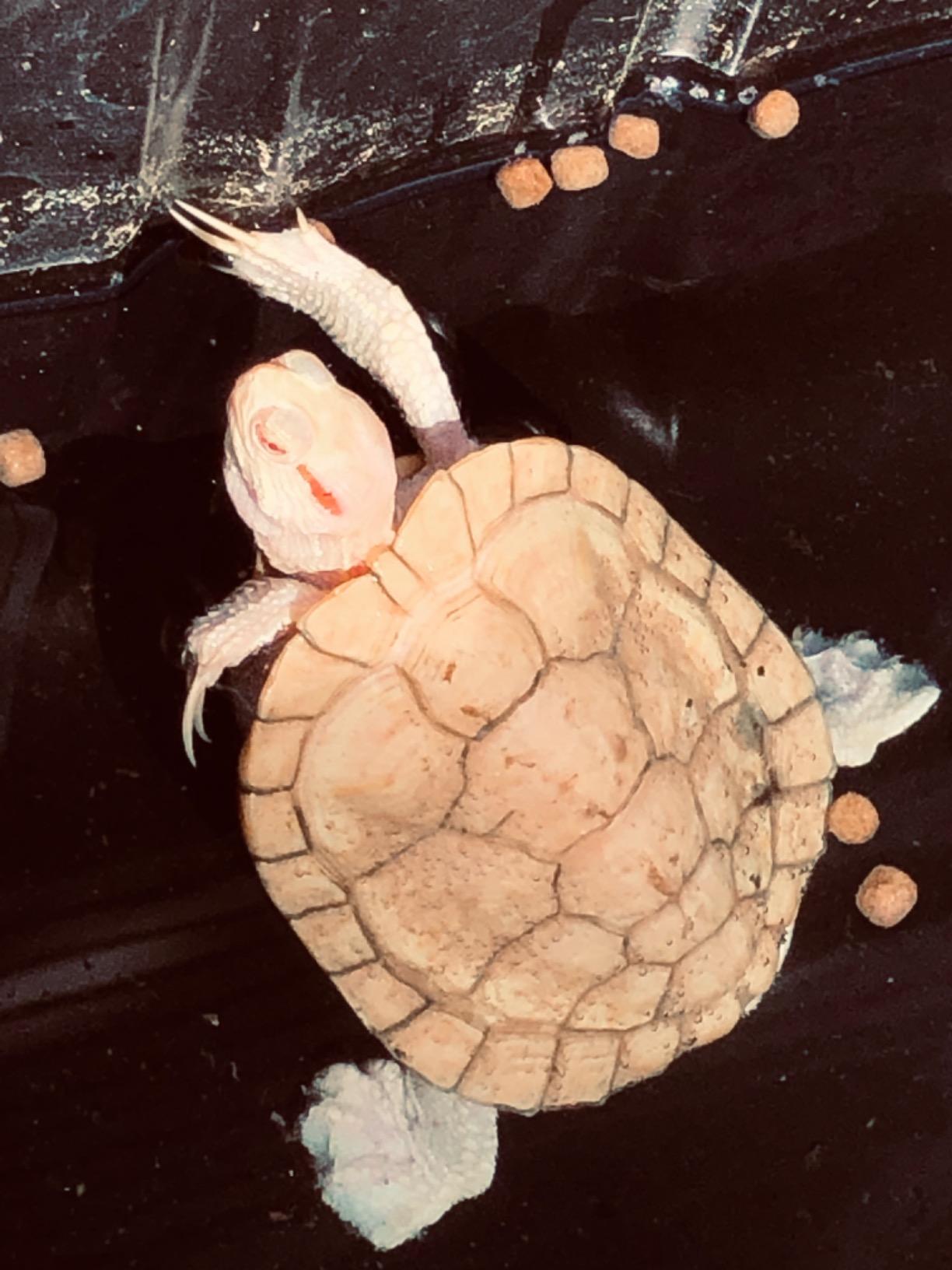
It is rated for habitats up to 30 gallons, and it is also where the Penn-Plax Cascade competes directly, since the Cascade is marketed for turtle use too.
Owners using it for turtles like the aeration and the flow control, and the wide margin on waste handling is why this beats a general canister in the same price range.
When a turtle canister is the right call
It is right when the tank is under 30 gallons, the animals are small to medium, and you are seeing algae problems caused by waste rather than by light or overfeeding. The spray bar and surface agitation do more for the tank than raw GPH does.
Because the housing sits outside the tank, a leak is a cabinet problem rather than a tank problem, which is a real advantage in a setup where children or pets are nearby.
Where it falls short
Throughput is modest, and that shows up in heavily populated turtle tanks or ones with a full-grown animal producing heavy waste. If you have two adults in a 30 gallon, expect to run more media changes and cleaning than a fish tank needs.
Two smaller practical warnings. The listed weight of 1.2 pounds badly understates the bulk of the unit, so measure your cabinet before ordering. And replacement media is narrower to source than at Penn-Plax or EHEIM, so plan your first year of consumables before setting the tank up.
8. VEVOR 224.5 GPH Canister Filter – Best Starter Pick
VEVOR 224.5GPH Canister Filter, 3-Stage External Aquarium Filter with Powerful Pump, Quite Water Circulation Cleaning Machine with Media for Fish Tanks and Aquariums Up to 55 Gallons, for Freshwater
224.5 GPH at 12.3W
35 to 55 gallon tanks
Under 38 dB
Three layer media
Pros
- Very quiet even running under a desk
- Long hoses and multiple fittings allow flexible setup
- Extra chamber space accepts older media to seed bio growth
- Handles green water quickly for a modest outlay
Cons
- Printed instructions get the orange valve lever position wrong
- No way to secure the tubing without modification
- Clear tubing shows algae and debris growing inside
- Manual does not explain opening the canister without spilling
The VEVOR CF800 is the newest design in this roundup, only recently released, and the specification sheet is the most modern one here. It claims 224.5 GPH at 12.3W for 35 to 55 gallon aquariums, a three-layer media stack, and operation under 38 dB.
That noise figure is the reason it works under a desk or in a bedroom, and owners confirm it in practice. The full-copper brushless motor with a zirconia bearing is a genuinely better motor specification than most competitors at this level publish, and the multi-lock design adds a widened vertical lock, an extended horizontal lock and thick rubber sealing to the lid.
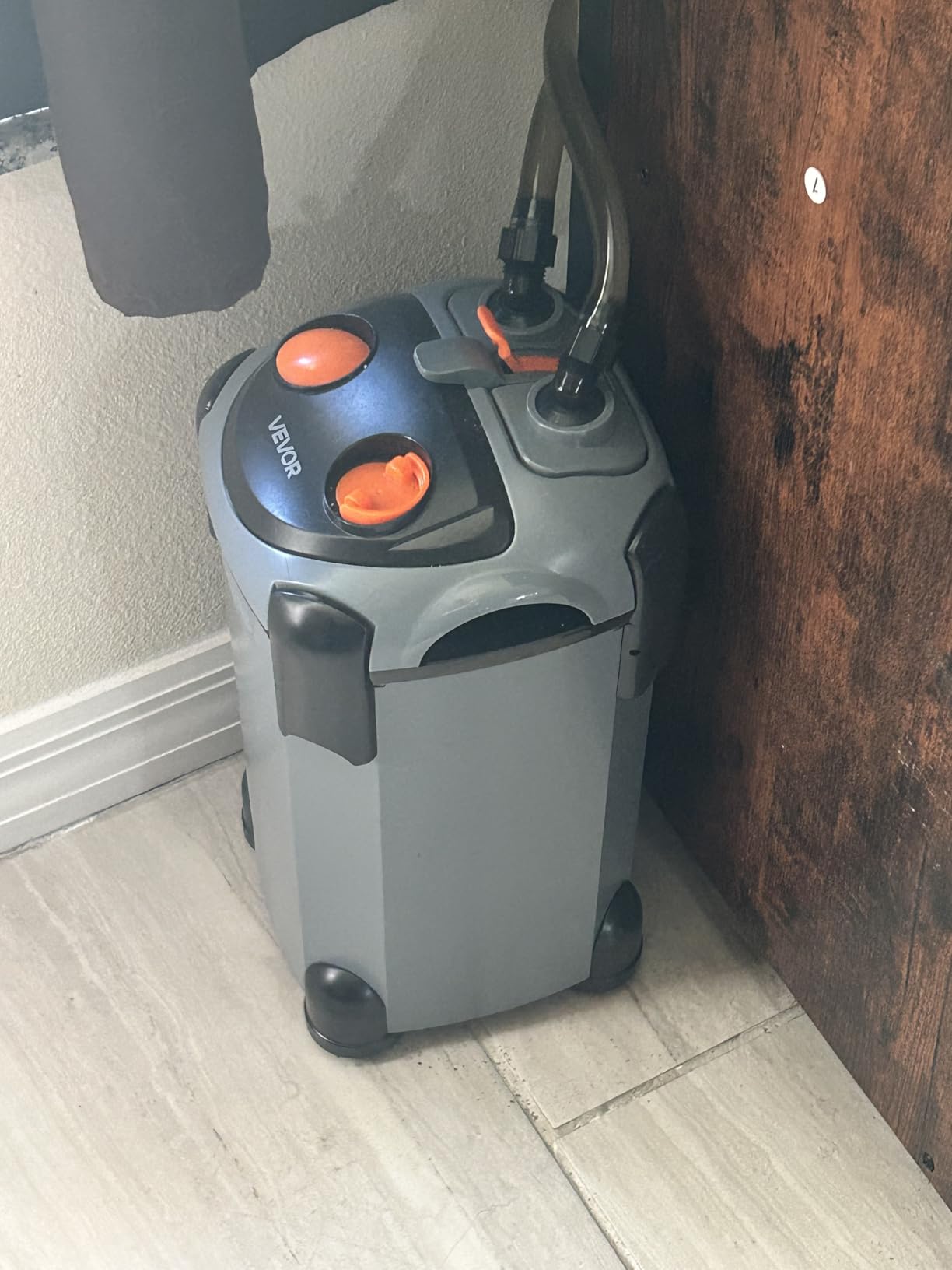
Extra chamber space is a quiet advantage. Because the housing has room beyond the supplied media, you can drop in mature media from an older filter and skip a long cycle, which is how most people reuse this unit.
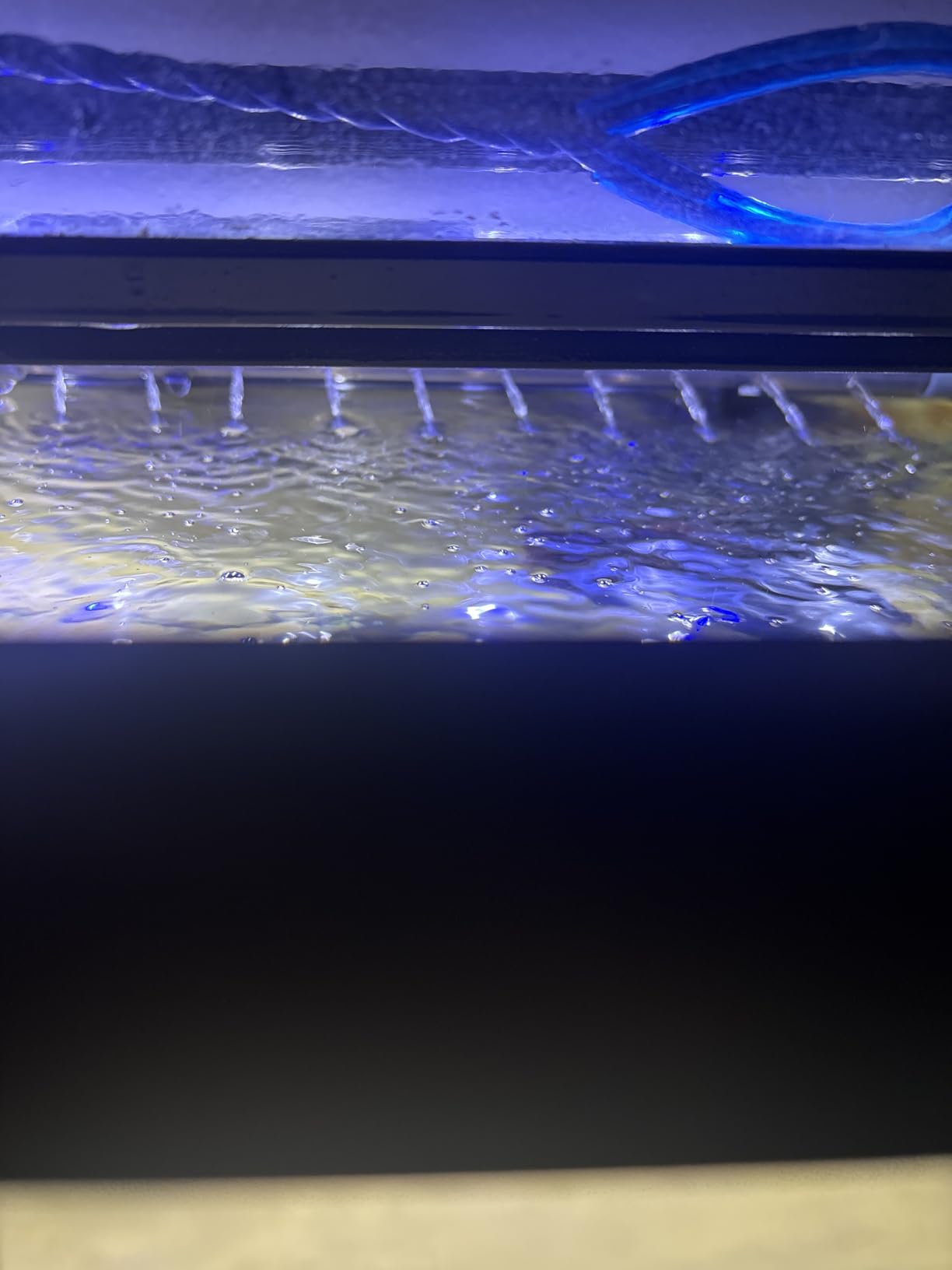
Long hoses and multiple tube fittings mean you can run the intake to a far corner of a long tank without buying extension kit.
Why it earns a place
It hits the flow target for a 40 to 55 gallon tank at a price that leaves room for a proper media package, and the three layers are sensible: black cotton for large particles, porous ceramic rings for finer debris, and white cotton for polishing.
Owners report strong quietness and good value for the flow rating, and the design decisions are the ones experienced keepers ask for. If your tank is 55 gallons and you are starting out, this is a legitimate first canister.
The documentation and tubing problems
The weakness here is documentation, not hardware. The printed instructions get the orange valve lever position wrong, the manual does not explain how to open the canister without spilling water, and there is no way to secure the intake and outlet tubing without modification. Budget ten minutes and a roll of tape after installation.
Clear tubing is another recurring note, because you will see algae and debris growing inside the lines. That is cosmetic rather than functional, but if it bothers you, opaque hose solves it. The owner base is also the second smallest here, so long-term data is thin, and one owner reported a unit that never worked at all.
9. Marineland Magnum 290 GPH – Best for Polishing Water Clear
Marineland Magnum 290 GPH Polishing Canister Aquarium Filter
290 GPH
Tanks up to 97 gallons
Two refillable chambers
Micron cartridge included
Pros
- Polishes water to a very clear finish
- Refillable chambers accept your own media
- Compact footprint fits under most cabinets
- Submerged motor gives quick simple startup
Cons
- Higher flow rating than many hobbyists need
- Replacement micron cartridges are proprietary and costly
- Small chambers hold little media for the flow claimed
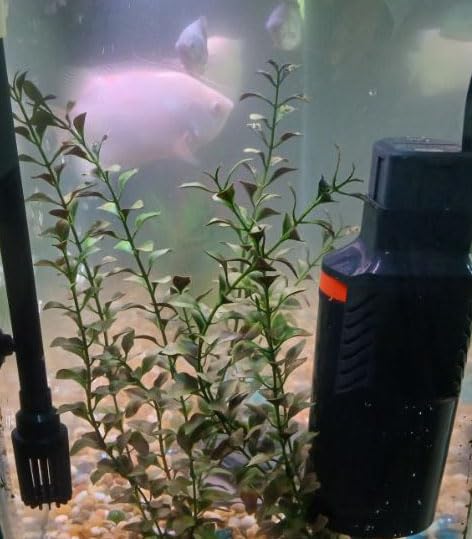
The Magnum is a different idea from a conventional canister. The motor sits submerged in the water path rather than in a dry chamber, and the two refillable chambers hold loose media instead of sealed cartridges. That design is why it is compact and why it polishes water so clean.
At 290 GPH it is rated for aquariums up to 97 gallons, which is a lot of rated flow for a unit this size, and the included micron cartridge handles the fine particulate that leaves other filters looking hazy. The body measures 7.5 by 3.5 by 9.88 inches, so it disappears under a cabinet where larger canisters do not.
Owners consistently highlight the polishing results and the compact, easy-to-start design, and the submerged motor means no priming routine at all. Fill it, close it, plug it in.
It is also worth noting that this model carries one of the largest owner report volumes in the roundup, so the long-term record is solid for a design of this type.
Where the Magnum makes sense
It makes sense in a tank where water clarity is the priority and cabinet space is tight. A shrimp or fishkeeping setup that shows the background clearly, or a display tank photographed regularly, benefits most from a micron stage in the loop.
The refillable chambers are the real feature. You are not locked into proprietary media, so you can run floss, carbon and ceramic rings in whatever order suits the tank.
What the rating reflects
Owners note the modest media capacity and the reliance on proprietary micron cartridges. The chambers are small for the flow the pump is rated at, which means biological capacity is lower than a three-basket canister of similar price.
That also means the flow rating overshoots what many hobbyists need, so for a 40 gallon planted tank the Magnum is more hardware than the situation requires. Budget for replacement micron cartridges as a fixed annual line.
10. Zoo Med Nano 10 – Best for Nano and Shrimp Tanks
Zoo Med Nano 10 External Canister Filter, up to 10 Gallons,Black
Tanks up to 10 gallons
Freshwater and saltwater
Spray bar system
2.01 pounds
Pros
- Small footprint suits nano and shrimp tanks
- Sponge bio-ceramic and carbon media included
- Easy to prime and open for a beginner
- Quiet thanks to anti-vibration brushings
Cons
- Limited throughput matched to tanks of about 10 gallons
- Small media capacity fills fast in densely planted nano tanks
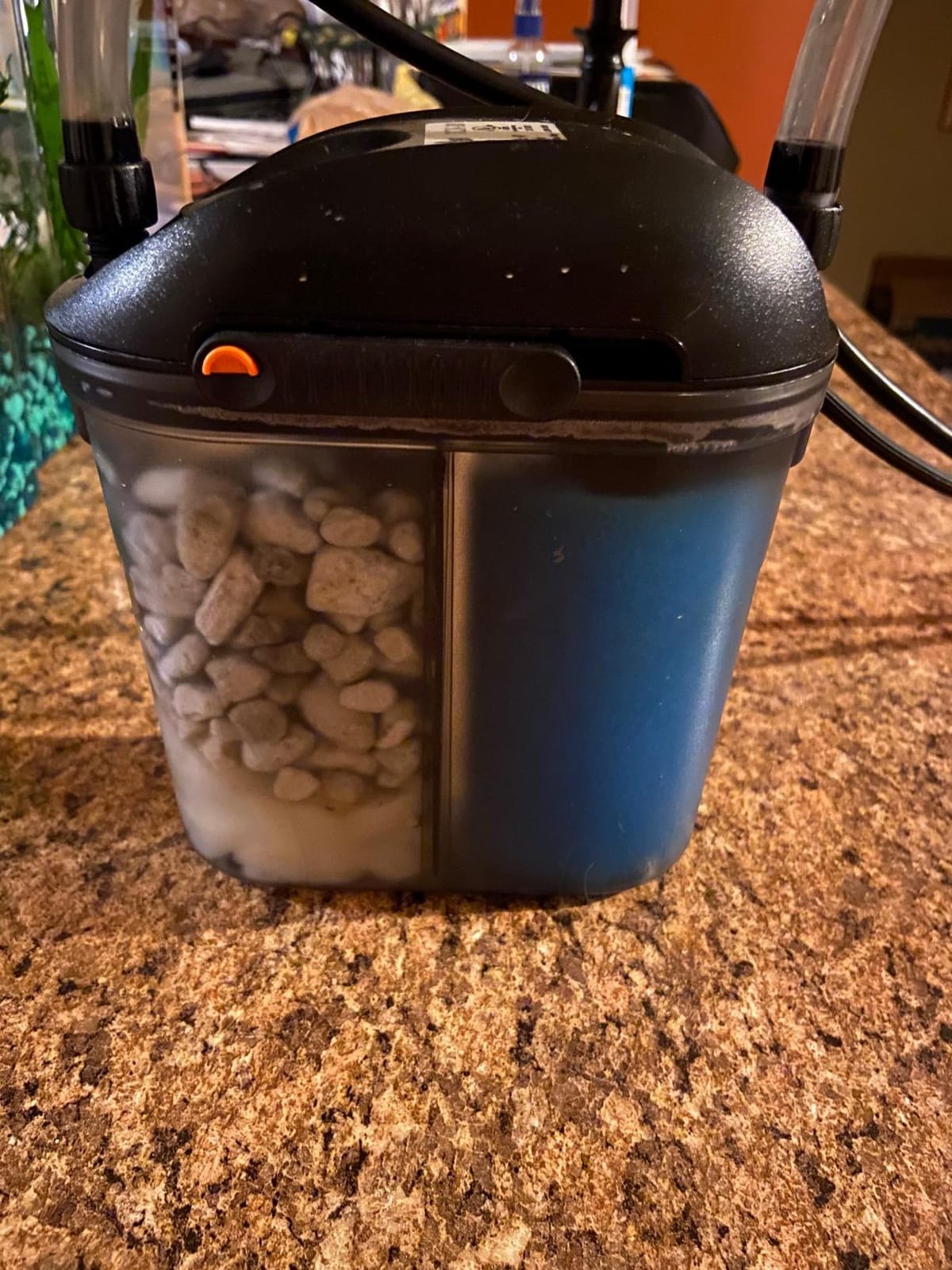
The Nano 10 is the smallest canister in the roundup and the one most often overlooked. At 2.01 pounds and 11.3 by 4.8 by 5.8 inches, it is a genuine canister filter for a 10 gallon nano or shrimp tank, and it does something a sponge filter cannot: mechanical filtration without an airline.
The package includes a spray bar system, a mechanical filter sponge, bio-ceramic media and carbon media, so it runs out of the box. Anti-vibration brushings keep it quiet, which matters when the tank is on a desk in a study or bedroom.
It works in both freshwater and saltwater aquariums, and the manufacturer designed it explicitly for easy priming, customising and opening, which is why we rated it highly for first-time canister users.
Owners like the compact, quiet design and the fact that the media basket lifts out for a fast rinse rather than a full teardown.
Why nano keepers like it
Shrimp and betta tanks usually run an airline-driven sponge filter, which means an air pump, a check valve and constant surface noise. This replaces all of that with a quiet pump running behind the tank and gives you a spray bar instead.
The small footprint means it can be hidden behind a background rather than sitting in view, and the flow is gentle enough that it will not blow shrimp across the tank.
Where the limit bites
Throughput is the whole story, and it is limited to tanks of about 10 gallons. Media capacity fills fast in a densely planted nano tank, so you will be rinsing or swapping the sponge more often than in a larger aquarium.
If your nano tank is 20 gallons or more, step up to the SunSun HW-302 or the VEVOR rather than pushing this one. Running a small canister well above its rating just means a faster-filling media stack and a noisier pump.
What Real Owners Say About Budget Canisters
The aquarium forums that rank on this topic are dominated by long-term owner reports rather than first impressions, and that is the most useful signal available. Here is what people who have run these filters for years actually report.
The loudest endorsement is brand loyalty. A r/Cichlid owner bought a Penn-Plax Cascade 1500 for a 90 gallon tank years ago as the cheaper option and now buys nothing else, which is the single strongest brand-loyalty signal on this topic. A SimplyDiscus user runs Marineland canisters on large tanks with no problems and cleans them roughly every three months. A Reddit user recommends the Hydor Professional 150 for a 29 gallon for zero issues across cleaning, priming and power outages.
Value-tier filters also have credible long-term records. An AquariumAdvice user bought a Rena Filstar XP-XL second-hand and reports it has run great, and a Reddit user found a used Eheim 2211 cheaply but concluded it was not enough turnover to replace an existing hang-on-back, which is the sizing lesson in miniature.
And the negatives are worth as much. Users with Eheim Classic models complain there is no self-priming and startup is manual. A r/Aquariums user abandoned a Fluval 206 after repeatedly failing to fix a leak, and hose connections loosening over time are reported against the Marineland Magniflow. Every one of those complaints maps to a specific weakness we flagged above.
How to Choose a Canister Filter on a Budget
Match flow rate to tank volume
Target four to five times your tank volume in gallons per hour, and buy above that rather than at it. Higher rated flow than you need is cheap insurance once media is loaded, while too little flow is the mistake owners complain about most often when they discover they cannot outrun a densely populated tank.
Use the lookup earlier in this article, then subtract nothing. A 30 gallon tank needs at least 120 GPH and ideally more, a 55 gallon tank needs 220 GPH or better, and a 75 gallon tank needs 300 GPH minimum.
Rated GPH is not the same as real turnover
Every rating on this page is measured on an empty canister at zero head pressure. Once you load floss and ceramic rings and run the hoses through a cabinet, expect the delivered flow to fall. This is the number most owners cross-check, and the sticker figure is the one number you should treat as marketing.
The practical implication: a filter rated generously but with a weak pump will disappoint, while a strong pump with modest media capacity will keep water clear and just need more frequent floss changes.
Self-priming versus manual siphon startup
A self-priming pump fills its own chamber when you press a button. A manual-start model expects you to siphon it into position or flood it by hand, which is fussy, and Eheim Classic owners describe it as exactly that. If you are new to canisters or move your setup often, prioritise the primer.
The Penn-Plax, Aqueon, SunSun, Flexzion, VEVOR and Marineland Magniflow all prime themselves. The EHEIM Classic and Zoo Med Turtle Clean do not advertise one.
EHEIM versus Fluval, and where the budget tier fits
EHEIM and Fluval are the two names aquarists argue about most, and the honest summary is that they trade places. EHEIM builds quieter, heavier hardware with parts that stay catalogued for decades. Fluval generally offers better media ecosystem support and more model variety, with a self-priming design that EHEIM’s Classic line does not have.
For this price range specifically, the EHEIM Classic 2213 sits at the top of our ceiling, while the widely recommended Fluval models either sit above it or were not part of our tested set. The Penn-Plax, Aqueon, SunSun and VEVOR options deliver the same core job for materially less, with the trade being parts support and finish quality.
Canister, power filter or sponge filter
Below about 25 gallons, a quality sponge filter is often the better answer. It costs a fraction, holds the largest volume of cheap biological media per pound spent, and has no pump failure point. It is also gentler for shrimp and betta.
A power filter wins on 20 to 40 gallon tanks where simplicity matters and you want a surface skimmer. It is cheap, quiet enough, and easy to service, and it needs no hoses running into a cabinet.
A canister earns its place above roughly 40 gallons, in a densely populated or heavily planted tank, in a turtle or goldfish setup where waste volume is high, or anywhere you want maximum media capacity and quiet operation without a visible filter on the glass.
Media cost in year one
Budget for consumables before you buy the filter. Floss and coarse pads are bought by the bag and cost little, while branded carbon, sealed cartridges and EHEIM proprietary media are where a cheap filter stops being cheap.
The Aqueon QuietFlow’s polishing unit needs a replacement cartridge every 30 days. The Marineland Magnum’s micron cartridges are proprietary and recurring. EHEIM branded media carries a premium. The Penn-Plax and SunSun cost the least to run because their baskets accept hand-cut floss and loose media.
Known failure modes to check before you buy
Leaks dominate the complaint lists across every price band. Budget-brand intake seals and hose clamps that loosen over time are the most common report, and the fix is mundane: hand-check every clamp after the first week, re-seat them monthly, and consider replacing spring clamps with screw clamps.
Second on the list is difficult priming, followed by UV-C bulbs that fade and collect debris, and hoses that kink when the canister sits tight against a cabinet wall. Leave clearance behind the unit and route hoses in gentle curves.
Finally, ask yourself whether cheap plastic is a risk to your fish. In practice the concern is unfounded for normal aquarium use, since filter housings sit in water rather than in the tank and do not leach meaningfully. The real budget-tier risks are electrical consistency and seal quality, not material leaching.
Frequently Asked Questions
Who makes the best canister filters?
Under this budget ceiling, Penn-Plax leads on proven durability and owner history, Aqueon leads on media serviceability, and EHEIM leads on build quality and long-term parts support. Fluval is the strongest aquarium name generally, but its popular canisters sit above this ceiling. Buy the specific model rather than the brand badge, since owner reviews are mixed at the entry level of every line.
What is the best budget friendly canister filter for aquariums?
The Aqueon QuietFlow is the strongest budget canister for most people because it combines multi-stage filtration, three return options and a hang-on-back polishing unit that makes media changes fast. If you want the lowest running cost, the Penn-Plax Cascade 500 takes cheap hand-cut media. If your tank is over 40 gallons, the SunSun HW-302 gives far more flow per pound spent.
Which is better, Eheim or Fluval?
EHEIM generally builds quieter, heavier hardware with parts that stay catalogued for decades, and it is the safer long-term ownership bet. Fluval offers a stronger media ecosystem, more model variety and reliable self-priming, which the EHEIM Classic line lacks. For a filter under this ceiling, the EHEIM Classic 2213 is the pick; the widely recommended Fluval canisters generally sit above the budget line.
What GPH filter do I need for my aquarium?
Target four to five times your tank volume in gallons per hour. A 20 gallon tank needs roughly 80 to 100 GPH, a 30 gallon tank 115 to 180 GPH, a 55 gallon tank 220 to 290 GPH, and a 75 gallon tank 300 GPH or more. Buy above that target, because delivered flow falls once media is loaded and the hoses are full.
How often do I need to clean a canister filter?
Most owners who run canisters long term clean every three months, and rinse media in removed tank water rather than tap water so the bacterial colony survives. Rinse floss when it darkens, and replace carbon on the schedule the manufacturer gives, which for the Aqueon QuietFlow polishing unit is every 30 days. Keep biological media wet at all times.
The Final Verdict
For the best canister filters under our strict budget ceiling, the Penn-Plax Cascade 500 takes the crown. It has the deepest owner history in the group, complete included media, the easiest valve hardware, and enough flow for a 30 gallon tank without overselling itself. It is the filter we would put in front of a first-time canister buyer in 2026, and the reasons are practical rather than fashionable.
Buy the Aqueon QuietFlow instead if serviceability matters most to you and you can live with a monthly cartridge. Buy the SunSun HW-302 if the tank is bigger than your budget suggests it should be, and the EHEIM Classic 2213 if parts availability is your top concern. Ignore the rest of this list until you have read the sizing guidance, because a canister rated too small for your tank helps nobody.
Whichever you choose, buy it from a retailer rather than a marketplace, keep a spare impeller gasket and a spare carbon bag on the shelf, and check the live price and current owner reviews before checkout. We maintain similar tested roundups on our hardware guides, including our budget router picks, our pop filter and shock mount roundup and our PC dust filter guide.