
A Barlow lens is the cheapest way to get more power out of a telescope you already own. It is a negative (diverging) lens that slides into the focuser, so a 25mm eyepiece on a 2x Barlow behaves like a 12.5mm eyepiece. For most observers buying their first one, the best barlow lenses for telescopes come down to a single question: does the glass hold contrast at the power it promises?
I have gone through owner reviews on all ten of the most reviewed Barlows in this category, focusing on the things that actually change a view: coating quality, barrel machining, focuser compatibility, and whether the stated magnification matches what the glass actually delivers. This is also the year to buy one if you have been putting it off. A Barlow costs a fraction of what a single premium eyepiece costs, and it multiplies every eyepiece you already have.
The maths is simple. Effective focal length equals telescope focal length multiplied by the Barlow factor, and magnification equals effective focal length divided by eyepiece focal length. A 1200mm refractor with a 2x Barlow becomes a 2400mm refractor for any eyepiece you choose. That doubles the number of focal lengths in your case without buying a single new eyepiece.
If you have not settled on a telescope yet, our guides to the best Dobsonian telescopes and the best refractor telescopes cover which platforms pair best with which kind of Barlow.
Table of Contents
Top 3 Barlow Lenses for Telescopes in 2026

Celestron Omni 2X Barlow
- Fully multi-coated optics
- Removable bottom element
- 1.25 inch
- 2 year warranty

Bysameyee 2X Barlow
- M42 camera thread
- Brass compression ring
- Dust caps included
- Fully multi-coated

Celestron X-Cel LX 3X
- 3 element apochromatic
- Brass compression ring
- Filter thread
- Rubber grip ring
All 10 Barlow Lenses at a Glance in 2026
| Product | Specs | Action |
|---|---|---|
| Celestron Omni 2X Barlow 1.25 inch |
|
Check Latest Price |
| Bysameyee 2X Barlow with M42 Thread |
|
Check Latest Price |
| Celestron X-Cel LX 3X Barlow |
|
Check Latest Price |
 SVBONY 5X Barlow Lens SVBONY 5X Barlow Lens |
|
Check Latest Price |
 Celestron T Adapter and 2X Barlow Celestron T Adapter and 2X Barlow |
|
Check Latest Price |
 Starboosa 5X Barlow with Moon Filter Starboosa 5X Barlow with Moon Filter |
|
Check Latest Price |
 XCCYG 2X 3X 5X Barlow Kit XCCYG 2X 3X 5X Barlow Kit |
|
Check Latest Price |
 SVBONY SV137 2X Barlow SVBONY SV137 2X Barlow |
|
Check Latest Price |
 Astromania 2X ED 2 Inch Barlow Astromania 2X ED 2 Inch Barlow |
|
Check Latest Price |
 Astromania 2X Barlow with T Thread Astromania 2X Barlow with T Thread |
|
Check Latest Price |
1. Celestron Omni 2X Barlow Lens for the All-Rounder Setup
Celestron Omni 1.25″ 2X Barlow Lens for Telescope Eyepieces Threaded Barrel
2x magnification
Fully multi-coated
1.25 inch barrel
46 degree field of view
2 year warranty
Pros
- Doubles the magnification of every eyepiece you already own
- Keeps the eye relief of your eyepieces while doubling power
- Slides cleanly into 1.25 inch focusers and diagonals
- Bottom element unscrews to double as a camera adapter
Cons
- 2x doubles image shake so a steady mount matters
- Budget optics add slightly more elements to the light path
This is the one I recommend first to anyone starting out. Owner reviews describe the Omni as the best-value way to double an eyepiece set, with sharp Jupiter and Saturn and clean lunar detail across the board. At 4.6 stars from more than 2,400 reviews, it is by a wide margin the most thoroughly tested Barlow in this roundup.
The optics are fully multi-coated with blackened edges, which is the specification to look for. Coating does not create magnification, but it decides whether you see a grey, low-contrast disc or a crisp one with the belts of Saturn separated from the globe.
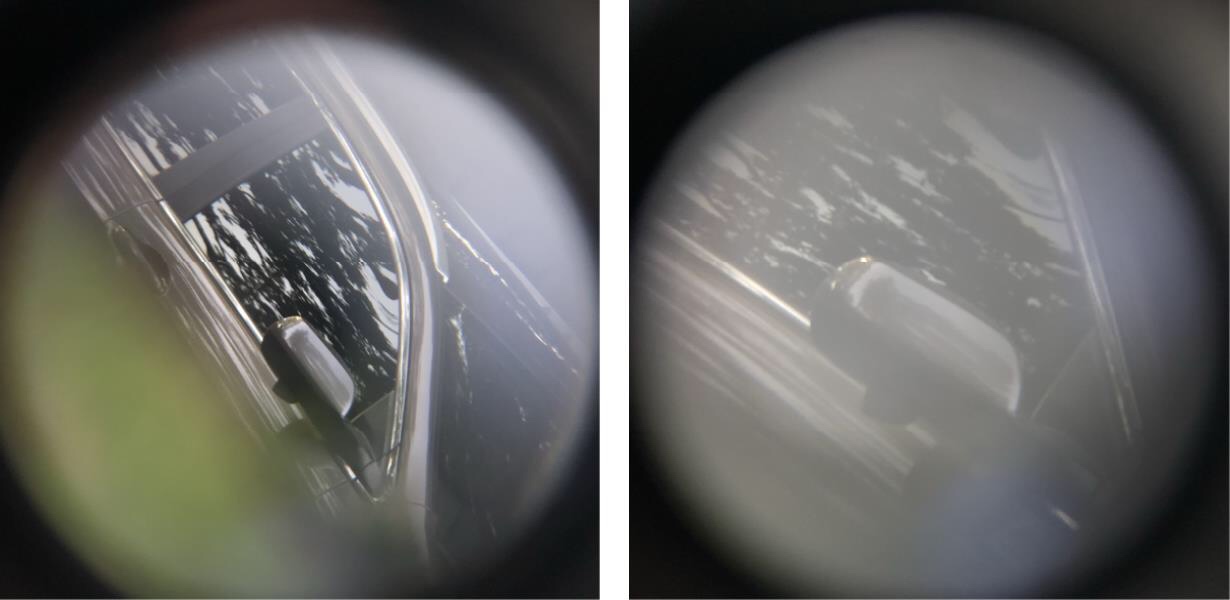
The machined housing is tight and slides without slop into 1.25 inch focusers and diagonals. Reported field of view is 46 degrees, and the listed exit pupil of 12.5mm tells you it will work well with a wide range of eyepieces on scopes from small tabletop refractors to 8 inch Dobs.
The most useful detail is the bottom element. It unscrews, and what remains is a T-adapter that reaches focus for DSLR imaging on scopes where the standard adapter alone falls short. Several owners use it that way as a first step into lucky imaging before committing to a dedicated camera adapter.
Why it suits almost any telescope
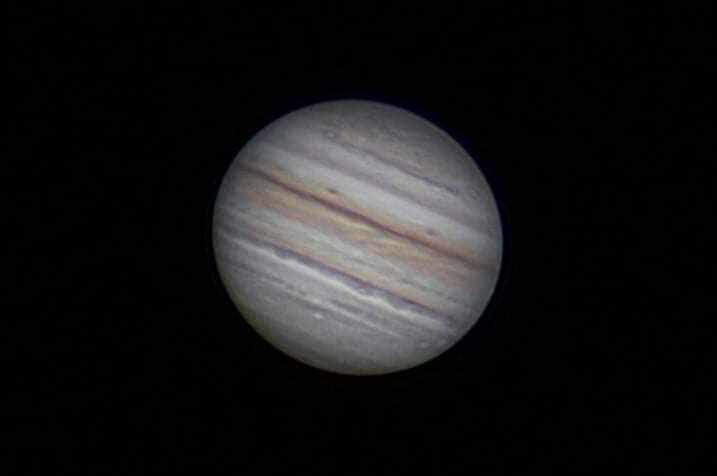
Because 2x is the mildest useful factor, the Omni never pushes a modest aperture past its limit. On a 6 inch Dobsonian it turns a 25mm eyepiece into a workable planetary instrument, and on a longer refractor it simply gives you one more step in the focal length range you already own.
It is also the safest first pick for a young observer who may outgrow it. If you are still deciding on the telescope itself, our best telescopes for kids guide covers the starter scopes this pairs well with.
Where it falls short
Doubling the magnification doubles the shake, so a wobbly alt-az mount or an unbalanced Dobsonian turns a sharp image into a shimmering one. A more accurate finder or a vibration-damping setup matters more here than in almost any other accessory.
Reviewers with a decade of experience treat this as an entry-level piece they eventually outgrow, and the extra elements in a budget light path cost a little contrast on demanding targets. If your budget stretches to a triplet design, look further down this list.
2. Bysameyee 2X Barlow with M42 Thread for First Imaging
Barlow Lens 2X, Bysameyee 1.25 Inch Fully Multi-Coated Metal Barlow Lens with M42 Thread Camera Connect Interface for Telescope Eyepiece
2x magnification
Fully multi-coated
M42x0.75 thread
1 x 1 x 3 inches
Pros
- Solid heavy aluminium with black anodized finish
- Broadband green film glass keeps colour fringing low
- M42 thread turns it into a T adapter for DSLR or mirrorless
- Brass compression ring will not mar eyepiece barrels
Cons
- Some copies arrived with lens residue or printing that could not be cleaned off
- T-ring for camera use is sold separately
This is the pick if you want camera capability in the same purchase. The built in M42x0.75 male thread means the Barlow doubles as a T-adapter for a DSLR or mirrorless body through a separately purchased T-ring, which saves buying two accessories separately.
Optically it is a fully multi-coated broadband green film design, and reviewers consistently report low chromatic aberration and clear, sharp views of the Moon and planets. At 4.6 stars across more than a thousand reviews, the sentiment matches the Omni closely.
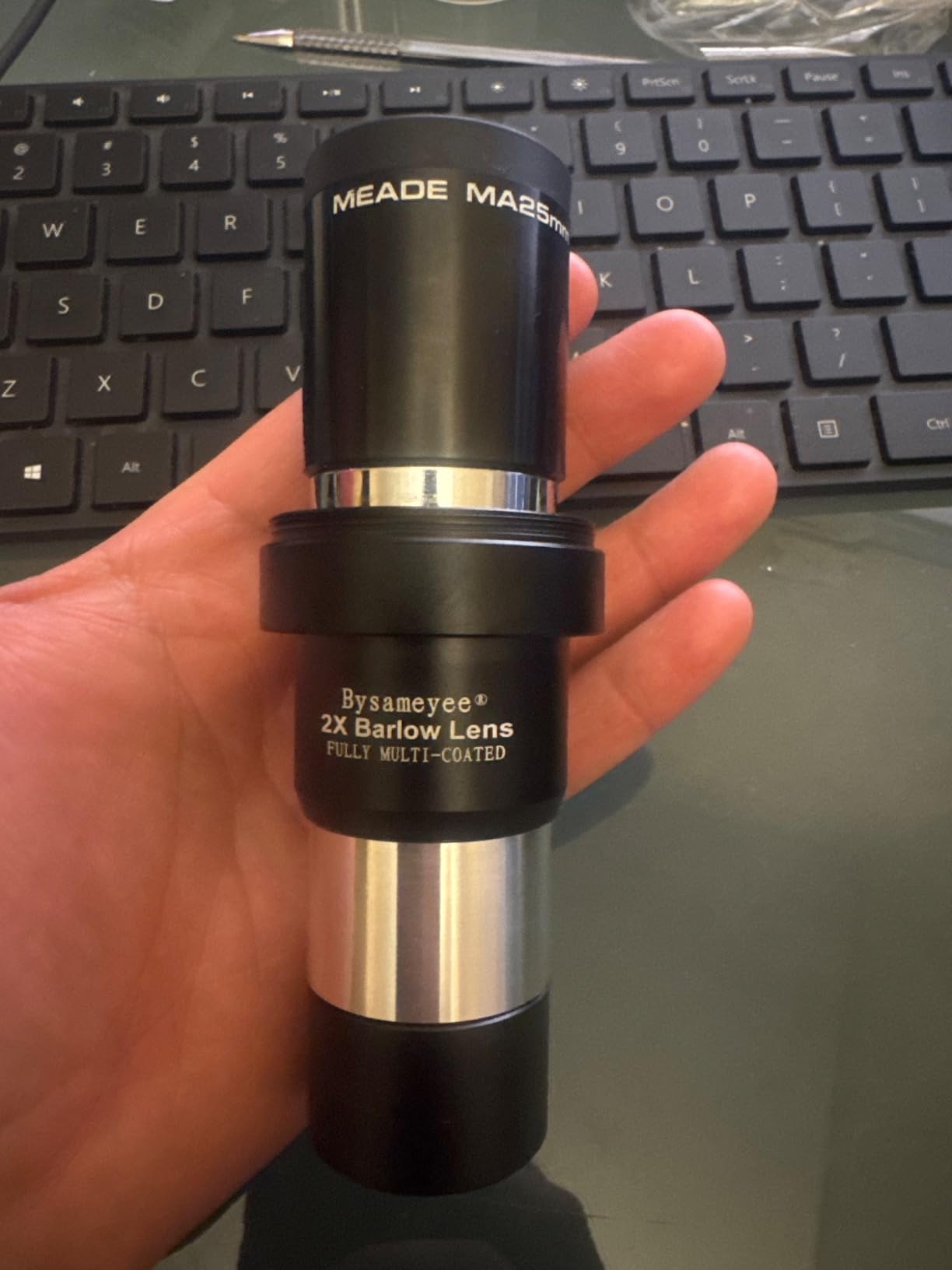
Build quality is the standout. Owners describe even, heavy aluminium construction with a black anodized body and precision machining, plus dust caps at both ends and a brass compression ring that protects eyepiece barrels far better than a set screw would.
It gets called out repeatedly as the single best cheap upgrade for a small Dobsonian, since it turns faint Jupiter stripes and the ring of Saturn into visible detail on modest glass. If your entry scope came as a kit, this is the first accessory I would add.
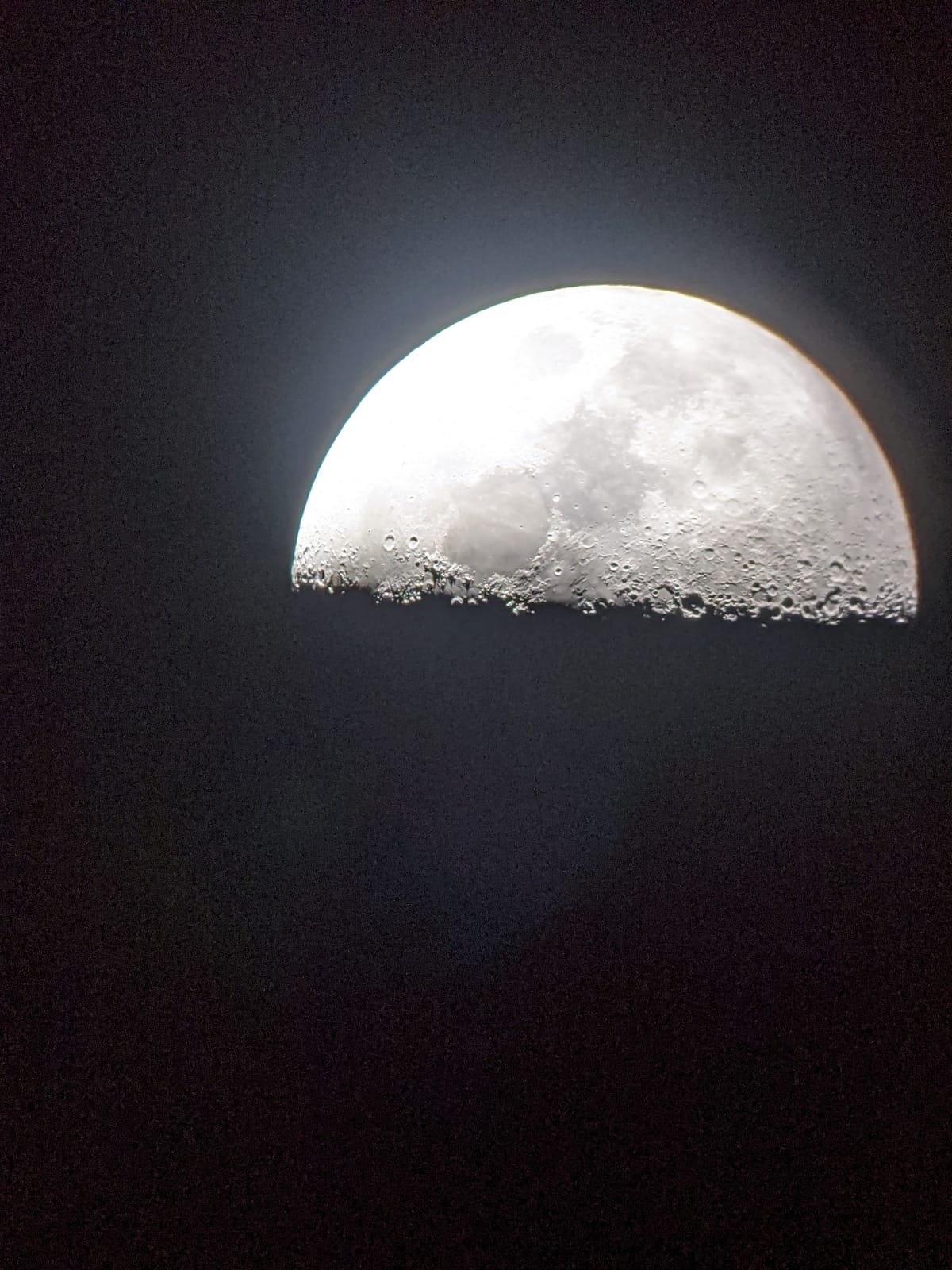
Best used as a camera adapter
The M42 thread is the reason to pick this over the Omni. Prime focus with a Barlow gives the sampling sweet spot for longer focal lengths, which is where a DSLR or a high frame rate planetary camera works best for beginners.
Reviewers using it for imaging on a Newtonian report clean results. The catch is planning: buy your T-ring for your camera brand at the same time, because it is not included and a mismatched thread is the most common reason new owners get stuck.
Where it falls short
Quality control is not perfect. A minority of buyers report units arriving with residue or printing on the lens element that could not be cleaned off, blurring the view. Check the glass under a light before you take it outside.
There is no 2 inch adapter and no filter thread, so this stays firmly in the 1.25 inch visual and small-sensor imaging lane. It is also strictly a 2x, with no 3x or 5x option from the same body.
3. Celestron X-Cel LX 3X Barlow for Apochromatic Colour Correction
Celestron X-Cel LX 3X 1.25 Barlow Lens for Telescope Eyepieces – Threaded
3x magnification
3 element apochromatic
Fully multi-coated
1.25 inch barrel
2 year warranty
Pros
- Three element apochromatic design with every air to glass surface coated
- Brass compression ring holds the eyepiece without scratches
- Threaded barrel accepts standard 1.25 inch filters
- Centralised rubber grip ring stays secure with cold fingers
Cons
- 3x needs enough aperture and a steady mount to stay within useful magnification
- Priced well above generic Barlows of the same factor
This is the one to buy if you see colour fringing around planets or the Moon and want it gone. The three element apochromatic design with multi-coating on all air to glass surfaces is the step up from budget single element designs, and at 4.7 stars from more than a thousand reviews it sits at the top of the rating range in this roundup.
Owners highlight colour correction and brightness as the defining traits, with 81% of reviews at five stars. The apochromatic correction matters most on bright targets where a budget Barlow shows a coloured halo around a white disc.
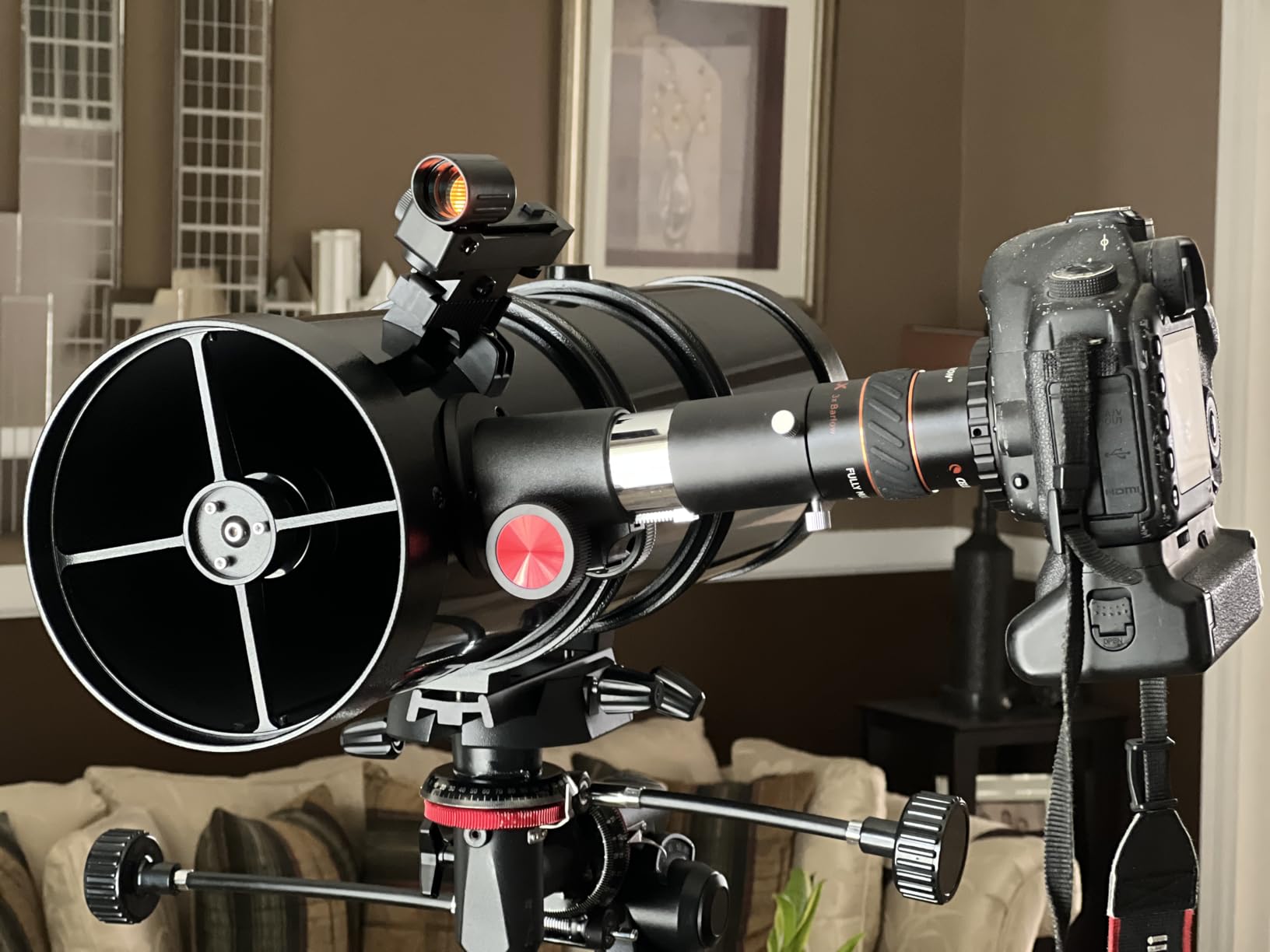
The mechanical details are thoughtful. A brass compression ring grips the eyepiece without the scratch risk of a set screw, the barrel is threaded for standard 1.25 inch filters, and a centralised rubber grip ring stays put with gloves on a cold night.
At 3x it is built for fast, short focal length scopes: tabletop Dobs, small refractors, and anything else where a 2x still leaves you short of planetary power.
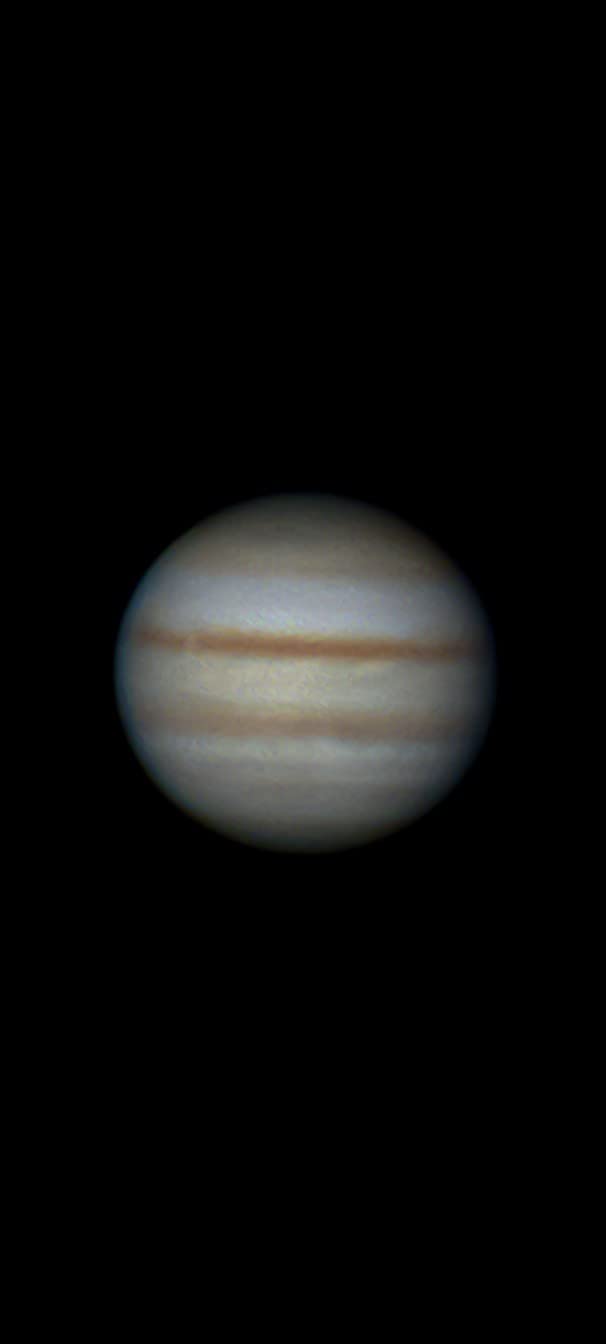
Where 3x makes the difference
Three power is the right factor when your telescope is long in focal length already but aperture is small. A 3x on a short focal length refractor keeps you inside the useful magnification range, while a 2x on the same scope would leave detail on the table.
Reviewers pair it with fast tabletop Dobs and small refractors specifically. The filter thread also means you can bin a neutral density moon filter straight into the Barlow rather than swapping it between eyepieces.
Where it falls short
The factor demands aperture and a steady mount. Push 3x through a small scope on a shaky mount and you get an empty, boiling image, which is the most common disappointment reported with high factor Barlows in general.
It costs considerably more than generic Barlows at the same power. If your budget is fixed and you are still comparing against dedicated eyepieces, remember that a mid tier 2x often outperforms a cheap 3x.
4. SVBONY 5X Barlow for Reaching Power on a Small Scope
SVBONY Telescope Barlow Lens, 5X FMC Barlow Lens, 1.25” Telescope Accessory
5x magnification
Multi-coated
31.7mm optical tube length
135 g
1 year warranty
Pros
- Affordable route to 5x power on a short focal length reflector
- Multi-coated broadband green film glass
- Sturdy black anodized aluminium body
- Responsive manufacturer support
Cons
- Long and heavy enough to upset balance on a small Dobsonian
- 5x can exceed the useful magnification limit of a small telescope
- Sharpness and colour accuracy drop compared with a 2x
A 5x Barlow is a specialist tool. It exists for one situation: a small, short focal length telescope that cannot reach planetary detail with any eyepiece in your case. If that is your setup, this is a cheap way to close the gap.
The optics are multi-coated broadband green film glass in a blackened housing, which reviewers say gives usable contrast and crisp lunar detail. It is rated 4.4 across 945 reviews, with the lower score reflecting the optical compromises of a long, cheap design.

The recurring theme in long form reviews is mechanical rather than optical. At 3.9 x 2.1 x 1.9 inches and 135 g, it is long and heavy enough to tip the balance of a tabletop Dobsonian or a light mount, forcing re balancing or a counterweight.
Several buyers also question whether the element count and stated magnification match the advertised specification. Treat the 5x as a nominal figure and judge the result by eye.
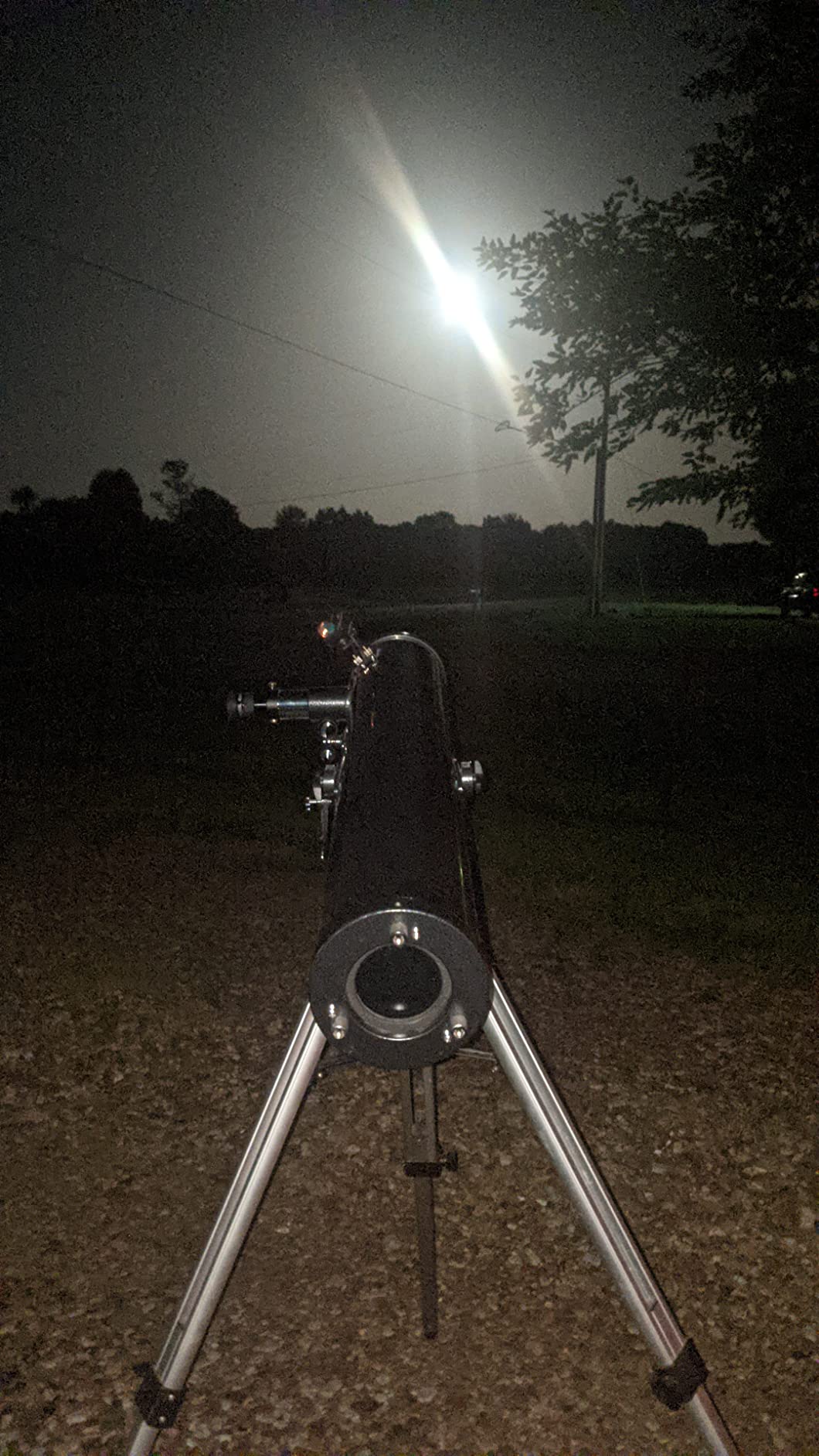
When a high factor is justified
Check your aperture before ordering. Maximum useful magnification is roughly twice the aperture in millimetres, so a 150mm scope is near its ceiling around 300x. A 25mm eyepiece at 5x on a short focal length reflector can land you in that range; the same combo on a long refractor would overshoot badly.
If you own one of the compact tabletop Dobs or small achromats covered in our Dobsonian telescope guide, this is a plausible way to reach planetary detail without buying a high power eyepiece.
Where it falls short
Sharpness, colour accuracy and field of view all degrade against a 2x Barlow, and those losses are visible on demanding targets. Some users also report elements arriving with dirt or residue and no cleaning cloth included.
Buy one 5x rather than stacking two 2x units. Chaining Barlows multiplies the elements in the light path and softens the image far more than a single correctly rated unit.
5. Celestron Universal T Adapter and 2X Barlow for Triple Duty
Celestron Universal 1.25″ T-Adapter & 2X Barlow Lens for Telescopes
2x Barlow and T adapter
Prime focus and tele extended
1.9 x 2.1 x 1.9 inches
65 g
2 year warranty
Pros
- Three accessories in one body
- Lets 1.25 inch focuser scopes reach focus for imaging
- Two year warranty with US based support
- Visual power and imaging from a single purchase
Cons
- Only multi coated rather than fully multi coated
- The 2x element is 1.25 inch only
- Camera T-ring sold separately
This one solves a specific problem that trips up new imagers. Some telescopes with a 1.25 inch focuser cannot reach focus in prime focus with the standard T-adapter. Adding this unit between the focuser and camera moves the plane back far enough to make imaging possible.
It is three accessories in one body: a 2x Barlow for visual work, a T-adapter for prime focus, and the two combined for tele extended imaging at double the prime focus magnification. Owners report using the same unit for all three jobs.
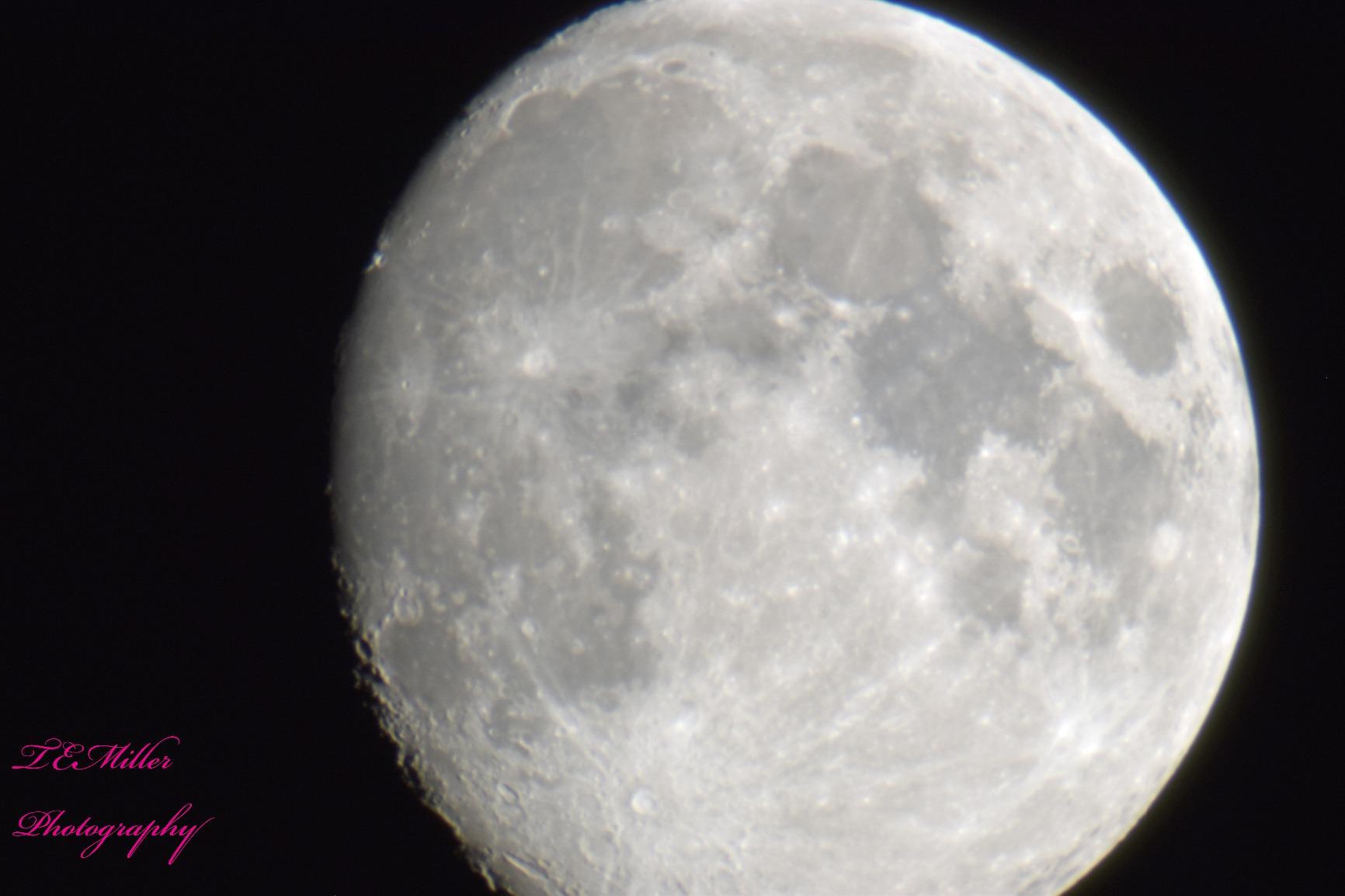
At 4.7 stars across 881 reviews with 80% five star ratings, the satisfaction level is driven by versatility rather than optical heroics. The build quality is typical Celestron, backed by a two year warranty.
For a beginner who wants to start in visual observing and add imaging later without buying a second adapter, that combination is genuinely useful. Buy the T-ring for your camera alongside it.
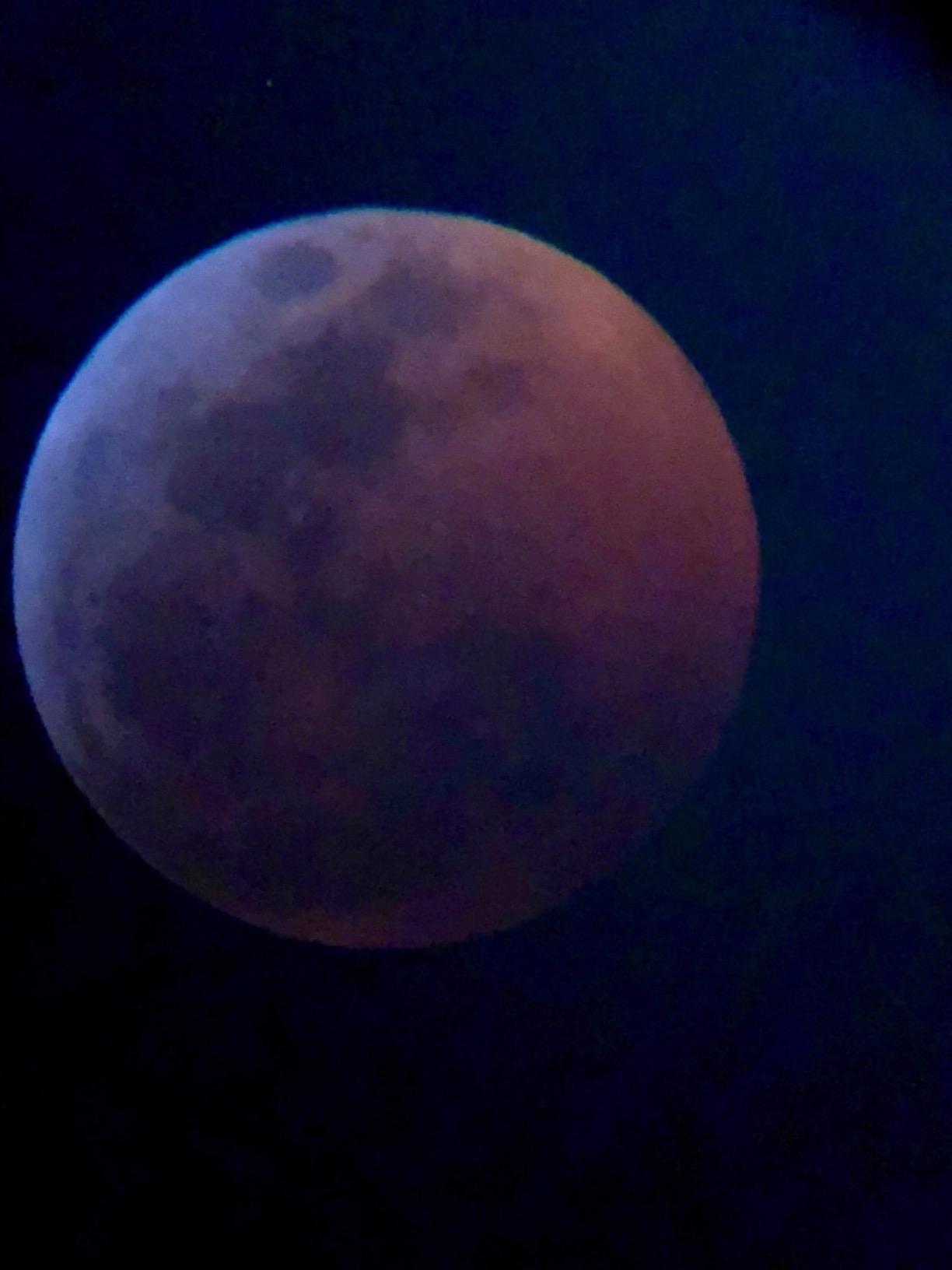
Best for a first imaging setup
The prime focus and tele extended modes let you test both sampling regimes before committing to a Barlow dedicated rig. On a long focal length refractor, tele extended gives the larger image scale that many cameras handle better.
Our best computerized GoTo telescopes guide covers tracking mounts that make long exposures practical, which is the other half of an imaging setup.
Where it falls short
It is only multi coated, not fully multi coated, so contrast sits below the Omni and the X-Cel LX. On faint, low surface brightness targets you will see the difference if you compare directly.
The 2x element is 1.25 inch only, which rules it out for anyone running 2 inch eyepieces. And the camera T-ring is not included, so the multi function promise still needs one more purchase.
6. Starboosa 5X Barlow and Moon Filter Kit for Lunar Detail
Starboosa 1.25-Inch Telescope 5X Barlow Lens with Moon Filter
5x Barlow with moon filter
Fully multi-coated
M42 thread
0.09 kg
1 year warranty
Pros
- Two accessories bundled in one kit
- Works with most major telescope brands
- Fully multi-coated with no obvious colour fringing
- Universal M42 thread for SLR attachment
- CNC machined frames with anti rust finish
Cons
- Measured magnification is closer to 2.5x than the advertised 5x
- Extra length can stop small scopes reaching focus
- Included moon filter is described by some users as a plain tint
The appeal here is straightforward: a Barlow and a neutral density moon filter in one package. Reviewers like the lunar results, saying the filter cuts glare and brings out fine detail without heavily tinting the view.
This is the lowest rated product in the roundup at 4.1 stars from 279 reviews, and the one star share of 13% is well above the rest of the group. Understanding why matters before you buy.
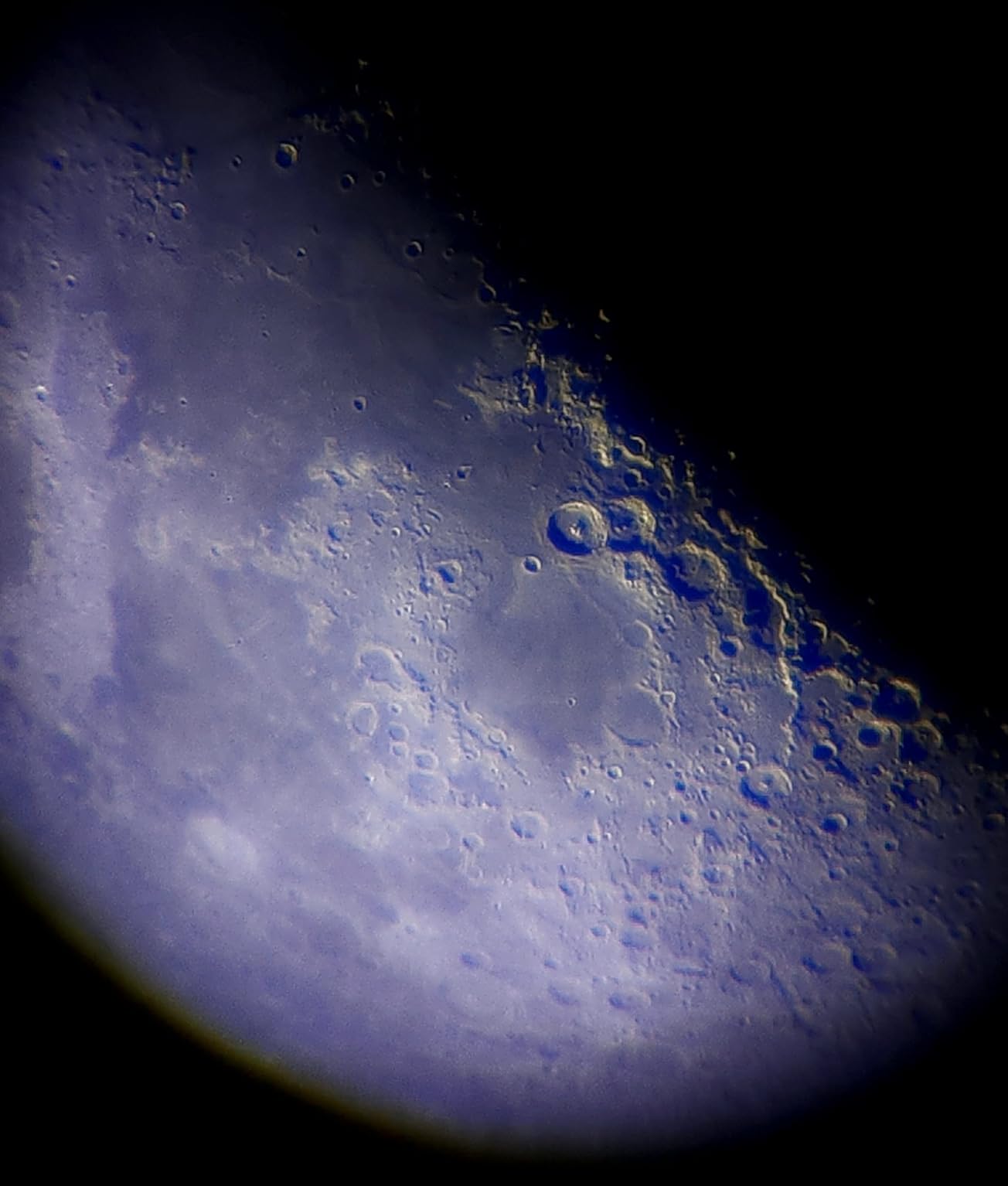
The main issue is the magnification claim. Users report that the measured power is closer to 2.5x than the stated 5x. That makes it behave more like a 2x Barlow with a bonus filter, which is not a disaster, but it is not what the label says.
Several buyers also hit focus problems on small or short focal length telescopes because of the extra length, and some describe the moon filter as simply tinted and awkward to focus through.
Where the bundle makes sense
If you want both a Barlow and a moon filter and you also want a modest rather than extreme jump in power, the real behaviour here matches a 2x. That is a reasonable place for most scopes to sit when viewing the Moon.
The universal M42 thread lets you attach an SLR camera through a T-ring, and the CNC machined frames with anti rust finish hold up well for the money. Just plan your imaging focus carefully on a small scope.
Where it falls short
Budget optics show noticeable light loss through the element, which can reduce the quality of a good eyepiece or mirror behind it. If your telescope is already a step up in quality, this will not match it.
The manufacturer also does not clearly state which telescopes it will and will not fit. That matters because the focus complaints cluster around compact scopes, exactly where people are most tempted by the headline power.
7. XCCYG 2X 3X 5X Barlow Kit for Three Powers in One Case
Telescope Barlow Lenses Kit 2X-3X-5X, 1.25 Inch Telescope Accessory, Fully Metal Multi Coated Broadband Green Film Barlow Lens for Astronomy Eyepiece
Three Barlow lenses
2x 3x and 5x
1.25 inch interface
1.3 x 1.3 x 3.8 inches
Pros
- Three magnifications covering most eyepieces and budgets
- Fully multi-coated broadband green glass
- Blackened lens edges and inner barrel for contrast
- Detachable ring makes each unit M42 compatible
Cons
- The 5x can exceed the useful magnification of a small telescope
- Lightweight bodies suit less demanding setups
- Not a premium grade optic set
Buying a kit answers the factor question before you have it. You get a 2x, a 3x, and a 5x in one purchase, each individually boxed, which is a practical option if you are still working out what your telescope can use.
Reviewers frame this as good value for beginners who want several powers in one transaction, and they consistently praise the packaging and the detachable M42 ring. Optics are fully multi-coated broadband green film glass with blackened edges and inner barrel to hold contrast.

At 4.4 stars from 155 reviews, the score reflects a solid mid tier performer rather than a standout. The black anodized aluminium bodies feel better made than the money suggests.
My advice would be to treat the 2x as the one you will use and treat the rest as insurance. If you already know your scope’s useful magnification ceiling, a single better Barlow is the smarter purchase.
Best for experimenting with power
The kit shines when your aperture is small and your focal length is short, because it lets you climb gradually and stop before the image turns to mush. Each element detaches, so you can also remove the optical glass and add a filter when you want it.
Because each unit is M42 compatible, the kit doubles as three camera adapters for different sampling needs. That is more flexibility than most single purpose Barlows offer at this level.
Where it falls short
The bodies are lightweight, and reviewers caution that the higher power element does not suit every beginner setup, particularly where mount balance or focus travel is already marginal.
None of the three reaches the colour correction of a triplet design. On bright planets, expect a faint coloured fringe that a premium Barlow would not show.
8. SVBONY SV137 2X Barlow for Machined Brass Build
SVBONY SV137 Barlow Lens, 1.25” 2X FMC Barlow Lens for Telescope Brass Ring
2x magnification
Fully multi-coated
Transmission up to 97 percent
3.17 ounces
Pros
- Built in brass compression ring protects eyepiece barrels
- Flocked matte interior cuts internal reflections
- Precision machined aluminium body
- Light transmission claimed up to 97 percent
Cons
- 2x power still doubles image shake
- Some scopes with tight back focus limits may not reach focus
The SV137 punches above its weight class. It carries a 4.7 average from 139 reviews with 81% five star ratings and only 1% one star, which puts it alongside the X-Cel LX as one of the best rated designs here despite being a far simpler piece of glass.
What buyers respond to is mechanical. The built in brass compression ring protects the eyepiece barrel from scratches, and the flocked matte interior reduces internal reflections, which helps contrast on the whole optical train.
Light transmission is claimed at up to 97 percent on fully multi-coated glass, and reviewers describe the aluminium body as looking and feeling well above its price. All-metal fixing screws and a non-slip shell round out the build.
Because it is only 3.17 ounces and roughly 3.7 inches long, it is one of the friendlier units to balance on a light mount. That matters more than most spec sheets suggest.
Best for anyone who drops eyepieces
The brass ring is the detail that shows up in reviews again and again. Set screw retention can nick an anodized barrel over years of swapping eyepieces in the dark, and a compression ring simply cannot.
It is a sensible match for a smaller achromatic refractor or a light Dobsonian where you want 2x without upsetting the balance. Owners report steady, colour-correct views on the Moon and planets.
Where it falls short
Two power still doubles image shake, so a steady mount and accurate finder matter. Reviewers with scopes that have tight back focus limits report not reaching focus with the added length, so check your focuser travel.
It carries a one year warranty rather than the two year cover on the Celestron units, which is a small difference but worth noting if you replace equipment often.
9. Astromania 2X ED 2 Inch Barlow for Large Aperture Optics
Astromania Barlow Lens 2X, 2 Inch ED Barlow Lens for Astronomical Telescope
2x magnification
ED glass
50 mm aperture
Accepts 2 inch and 1.25 inch
11.46 ounces
Pros
- ED glass cuts visible colour fringing on bright targets
- 50 mm aperture takes 2 inch eyepieces without vignetting
- Works with both 1.25 inch and 2 inch eyepieces
- 2 inch filter threads on the Barlow and reducer adapter
Cons
- Bulky 2 inch barrel takes more eyepiece space than a slim design
- Needs an adapter for a 1.25 inch only focuser
- The 1.25 inch adapter limits the large clear aperture
This is the only 2 inch Barlow in the group, and that single fact determines who should care about it. A 2 inch Barlow needs a 2 inch focuser or a 2 inch diagonal, which is a purchase many beginners have not yet made.
If you already run 2 inch eyepieces, this solves the problem a 1.25 inch Barlow creates for you. The 50 mm clear aperture accepts 2 inch eyepieces with no vignetting or shadowing, which a slim 1.25 inch Barlow cannot do.
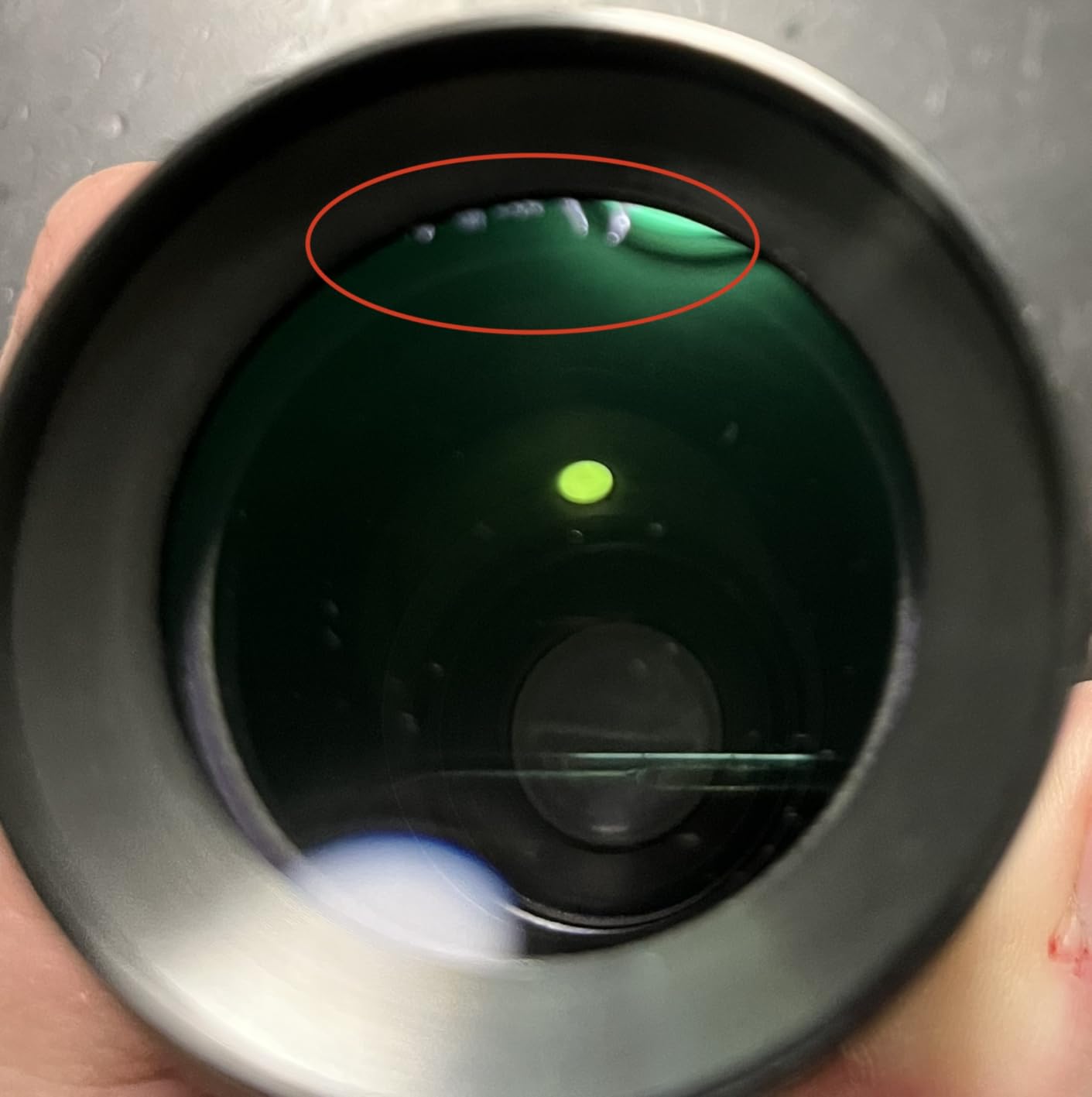
Optically it uses extra low dispersion glass with multi-coating to cut visible colour fringing, and reviewers specifically like the glass quality and the colour free, high contrast result. The knurled high grip exterior is practical with cold or gloved hands.
It is also useful for photography on short focal length rigs, where the extra focal length helps small deep sky targets fill the frame.
Best for 2 inch eyepiece users
If your diagonal and focuser are 2 inch, a 1.25 inch Barlow forces a step down in barrel size and costs you some field stop definition at the edge. This keeps you in the format your whole case is built around.
The filter threads on both the Barlow and the reducer adapter are a real convenience for imaging, where stacking filters is common. Unscrewing the element lets you thread it directly into any 2 inch eyepiece.
Where it falls short
It is bulky, and reviewers note the 2 inch barrel takes up noticeably more eyepiece space than a slim 1.25 inch unit. If your case is deep and tightly packed, that is a daily annoyance.
Ratings sit mid group at 4.3 from 106 reviews, with a 9% two star share. Some feel the bulk and the need for an adapter on a 1.25 inch rig offset the benefit entirely.
10. Astromania 2X Barlow with T Thread for Budget Camera Work
Astromania 2X Barlow Lens for Telescope Eyepiece 1.25 Inch with T-Thread
2x magnification
Apochromatic glass
M42 thread
2.5 ounces
1.25 inch
Pros
- Barlow element unscrews and threads straight into a 1.25 inch eyepiece
- M42 thread solves focus to infinity on T adapter imaging rigs
- Apochromatic multi-coated glass with no added colour error
- Light CNC machined aluminium with two locking thumbscrews
Cons
- A few users did not perceive the full 2x with a 12.5mm eyepiece
- Some report a distorted image and prefer larger eyepieces
- Performance is adequate rather than premium
The removable element is the clever part. Unscrew the glass from the extension tube and it threads directly into any 1.25 inch eyepiece, giving a clean parfocal result without the extra length sitting between the focuser and the glass.
That matters for two reasons. It sidesteps focuser back focus limits on scopes with tight travel, and the M42 male thread on the remaining tube solves the focus to infinity problem on T-adapter imaging rigs at the same time.
The glass is described as apochromatic with a multi-coated anti reflective finish, and users mostly find it a capable low cost 2x, particularly for lucky imaging of planets with a Newtonian.
At only 2.5 ounces and with a listed focal length description of 12.5mm, it is the lightest unit in the roundup, which makes it easy on small mounts.
Best for combining visual and imaging
Owners like that the same body covers both jobs. For visual work, the element screws into the eyepiece; for imaging, the tube becomes the T-adapter. Two accessories in one small package at 2.4 ounces.
Two large thumbscrews hold the eyepiece firmly without marring the barrel, and a 1.25 inch filter thread lets you mount standard eyepiece filters directly.
Where it falls short
At 4.4 stars from 94 reviews, this has the smallest review base in the group, so treat the consensus as thinner. A few users did not perceive the full 2x with a 12.5mm eyepiece, and some report a distorted image.
Several buyers describe the performance as adequate rather than premium for critical planetary imaging. If fine detail is the goal and your mount is steady, a triplet design gives more headroom.
How to Choose a Barlow Lens for Your Telescope
Start with 2x. It is the most repeated consensus across owner discussions and the safest factor for almost any aperture. A 2x Barlow doubles every focal length you own, and anything you regret you can simply remove.
The rule of thumb for maximum useful magnification is roughly twice your aperture in millimetres. A 200mm Dobsonian is useful up to about 400x, a 150mm tabletop scope to about 300x. Multiply your eyepiece focal length into the effective focal length, and if the result pushes past that ceiling, the extra glass is buying you an empty image rather than more detail.
Next, match the barrel to your focuser. Most Barlows here are 1.25 inch, which is the common standard and works with most diagonals and focusers. The single 2 inch option needs a 2 inch diagonal and a 2 inch focuser, or an adapter, and skipping that step is the most common early mistake.
Then think about coatings, because this is where cheap glass shows. Fully multi-coated optics with blackened edges preserve contrast in the same way a moon filter preserves your night vision, and on bright targets the difference between a coated and an uncoated element is obvious. Two element achromatic designs are the middle ground, and three element apochromatic designs are what you want if coloured fringes around planets bother you.
Photography changes the calculation. If you plan to attach a DSLR or planetary camera, look for an M42 thread or a removable element that doubles as a T-adapter, and budget for the camera brand specific T-ring which is almost never included. Sample rate matters more than magnification here, so a 2x is usually enough.
Two warnings before you order. First, do not stack two Barlows to reach 3x or 4x; chaining lenses multiplies the elements in the light path and softens the image far more than one correctly rated unit costs you. Second, a Barlow adds physical length, and scopes with tight back focus may not reach focus at all, which is why several models here unscrew at the lens cell.
Finally, on fast Newtonians, a coma corrector matters more than a premium Barlow. A wide field coma corrector needs to sit in the right position in the optical train, and pairing it with the wrong Barlow produces vignetting that no amount of patience will fix. Check the corrector maker’s guidance before combining them.
Frequently Asked Questions
What are the downsides of using Barlow lenses?
The main drawbacks are added cost, added length and added optics in the light path. A longer optical train can prevent small scopes from reaching focus, extra lens surfaces cost a little contrast, and multiplying magnification multiplies image shake. Very high factors such as 5x can push a modest aperture past its useful magnification limit and produce a soft, empty view. Poorly corrected designs also show coloured fringing around bright planets.
Which Barlow lens is best for planetary imaging?
For visual planetary work the Celestron Omni 2X Barlow is the safest all round choice, while the Celestron X-Cel LX 3X is the pick when colour fringing shows around bright planets and your scope is small and fast. For camera imaging, choose a 2x with an M42 thread, such as the Bysameyee 2X, so it doubles as a T-adapter, and budget for the camera specific T-ring.
What is the best lens for a telescope?
There is no single best lens, because the right choice depends on barrel size, aperture and how you use the telescope. For most observers a fully multi-coated 2x Barlow is the correct answer, since it doubles the whole eyepiece collection and stays inside the useful magnification range of typical scopes. Run 2 inch eyepieces and you need a 2 inch Barlow, and image with a camera and you need an M42 thread.
What is the best magnification for a Barlow lens?
Two power is the best default for almost every telescope because it doubles every focal length you own while staying inside the useful magnification limit of most apertures. Three power suits small, short focal length scopes that cannot reach planetary detail otherwise. Five power is a specialist choice for very compact telescopes, and stacking two Barlows to reach high power softens the image rather than improving it.
Which Barlow Lens Should You Buy in 2026
Buy the Celestron Omni 2X if you want one safe purchase that doubles everything you own and still works as a camera adapter. Add the Celestron X-Cel LX 3X when colour fringing on bright planets starts to bother you, or the Astromania 2X ED if your case is built around 2 inch eyepieces.
Whatever you choose in 2026, start at 2x, check your focuser travel, and resist the temptation to stack. A Barlow is the best value accessory in amateur astronomy precisely because you only need one.