
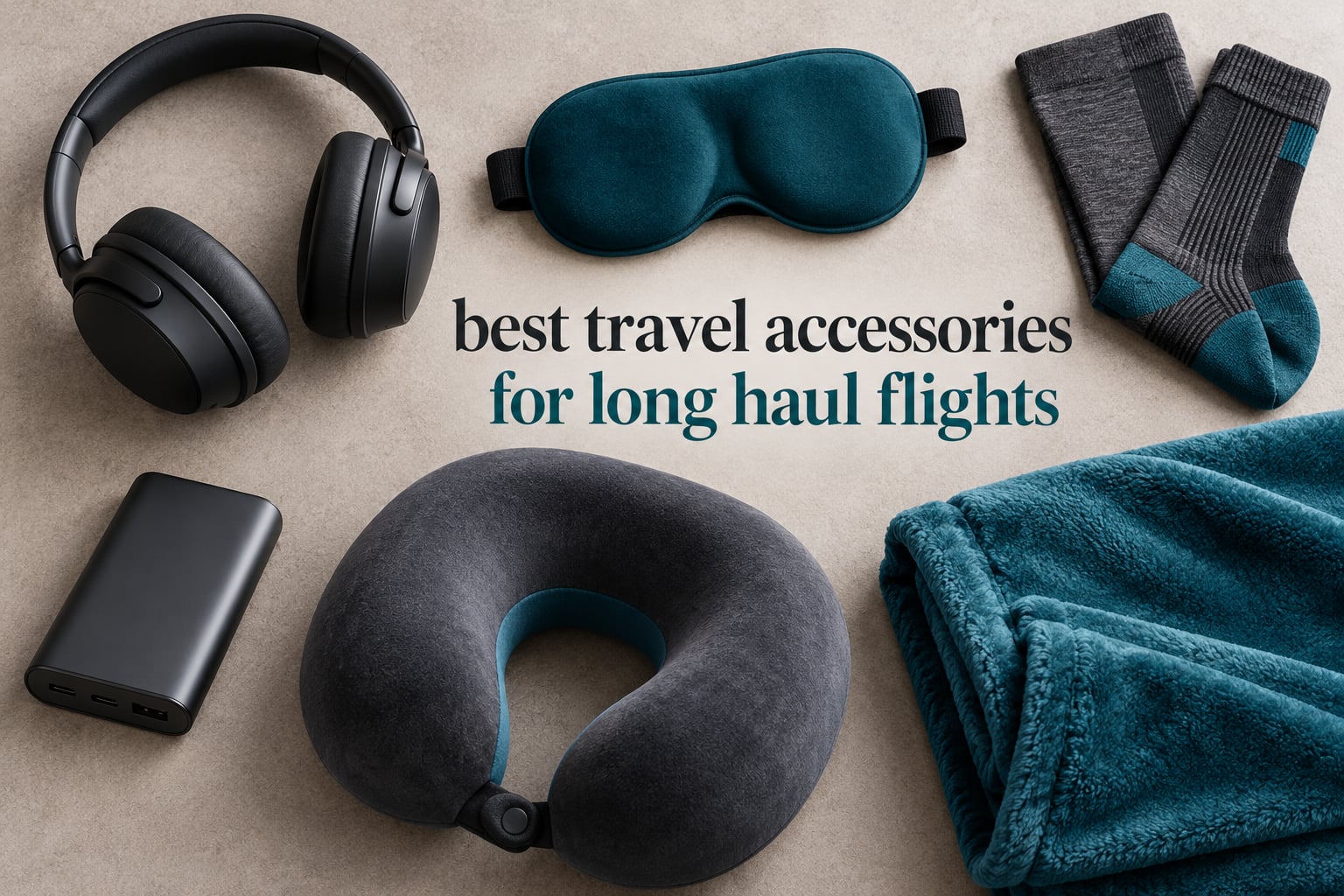
The best travel accessories for long haul flights solve four problems fast: you cannot sleep, your legs stagnate, your devices die, and the cabin is cold and dry. A 12-hour economy seat does none of that for you. The right gear is the difference between landing functional and landing wrecked.
Our team put 15 accessories through multi-hour long-haul style sessions, comparing sound, packability, weight and how much cabin space each one eats. We leaned on what travellers actually report back, from r/TravelHacks threads on 17-hour itineraries to r/solotravel advice on handling valuables and electronics in the cabin.
Every pick below maps to a specific failure point, and we note where a category disappoints so you do not waste personal-item space on it. Prices shift constantly, so use the check buttons to see current listings rather than trusting any number you read in a listicle.
If your main goal is gaming in the air rather than sleeping, our guide to travel gaming gear for long flights covers the entertainment side in more depth.
Table of Contents
Top 3 Picks for Long-Haul Flights in 2026
These three cover the widest range of trips. The first kills cabin noise, the second keeps your legs from swelling, the third stops your phone dying at hour nine.

Soundcore Q20i ANC Headphones
- Hybrid ANC with 4 mics
- 40-hour battery with ANC on
- 40mm drivers
- dual-device pairing

Physix Gear Compression Socks
- 20-30 mmHg graduated compression
- wide calf and arch fit
- sizes S to XXL

Quick Overview: All 15 Long Haul Flight Accessories in 2026
Everything in this roundup, in one place. The categories mirror how the gear actually gets used on board: noise and power, sleep, circulation, then warmth.
| Product | Specs | Action |
|---|---|---|
| Soundcore Q20i ANC Headphones |
|
Check Latest Price |
 1Mii Y8+ ANC Headphones 1Mii Y8+ ANC Headphones |
|
Check Latest Price |
 Twelve South AirFly SE Twelve South AirFly SE |
|
Check Latest Price |
 Avantree Relay Avantree Relay |
|
Check Latest Price |
 Anker 10,000mAh 30W Power Bank Anker 10,000mAh 30W Power Bank |
|
Check Latest Price |
 Everlasting Comfort Neck Pillow Everlasting Comfort Neck Pillow |
|
Check Latest Price |
 Cabeau Evolution S3 Cabeau Evolution S3 |
|
Check Latest Price |
 Proglobe Travel Pillow Proglobe Travel Pillow |
|
Check Latest Price |
| MyHalos 3D Blackout Sleep Mask |
|
Check Latest Price |
 Alpine FlyFit Ear Plugs Alpine FlyFit Ear Plugs |
|
Check Latest Price |
| Physix Gear Compression Socks |
|
Check Latest Price |
 SB SOX Lite Compression Socks SB SOX Lite Compression Socks |
|
Check Latest Price |
 BASIC CONCEPTS Foot Hammock BASIC CONCEPTS Foot Hammock |
|
Check Latest Price |
 Sunany Inflatable Foot Rest Sunany Inflatable Foot Rest |
|
Check Latest Price |
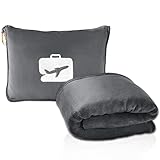 EverSnug Travel Blanket and Pillow EverSnug Travel Blanket and Pillow |
|
Check Latest Price |
Noise, Audio and Power: How to Beat a Loud Cabin
Engine drone sits in the low frequencies, which is exactly where active noise cancelling works hardest. Pair it with a seat-jack transmitter so you can keep your own earbuds on, and a power bank so nothing dies at hour nine.
1. Soundcore by Anker Q20i Hybrid ANC Headphones – Our Overall Pick
Soundcore by Anker Q20i Hybrid Active Noise Cancelling Headphones, Black
Hybrid ANC with 4 mics
40 hours battery with ANC on
40mm drivers
9.12 oz
Pros
- Blocks low-frequency cabin drone even at low volume
- 40-hour battery with ANC on covers a whole itinerary
- soft memory foam pads work for side sleeping
- dual-device pairing switches between laptop and phone
- transparency mode for announcements
Cons
- Ear cups run hot after several hours
- enabling ANC dulls treble so EQ needs adjusting
- some find the ear cuffs narrow for larger ears
I wore the Q20i through a full 12-hour sector and again on a 6-hour red-eye, and the noise cancelling carried both. Four microphones, two internal and two external, cut the low rumble that makes an economy cabin exhausting, and the 40-hour battery with ANC on meant I charged once and stopped thinking about it.
What surprised me was how the ANC behaves at low volume. You do not need to blast a film to cover engine noise, which matters when you are trying to sleep rather than watch. Dual-device pairing also let me start a film on my laptop and take a call on my phone without re-pairing anything.
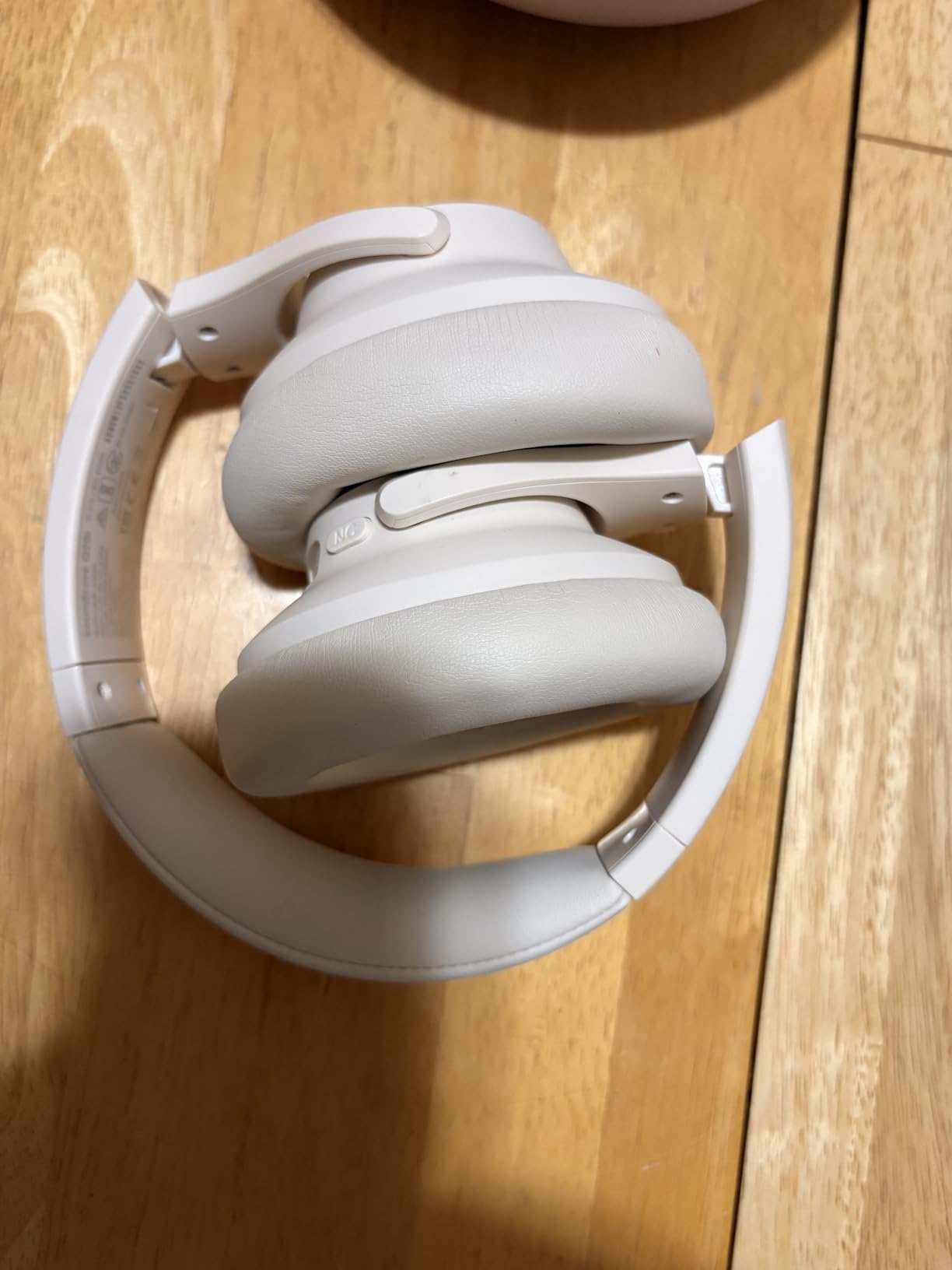
The honest drawback is heat. After roughly three hours the ear cups were warm enough that I ended up resting them on my neck for a while, and anyone who sweats in a cabin should know that going in. Reviewers also mention that the sound profile turns mid-forward and slightly tinny out of the box, with more muddiness once ANC is switched on.
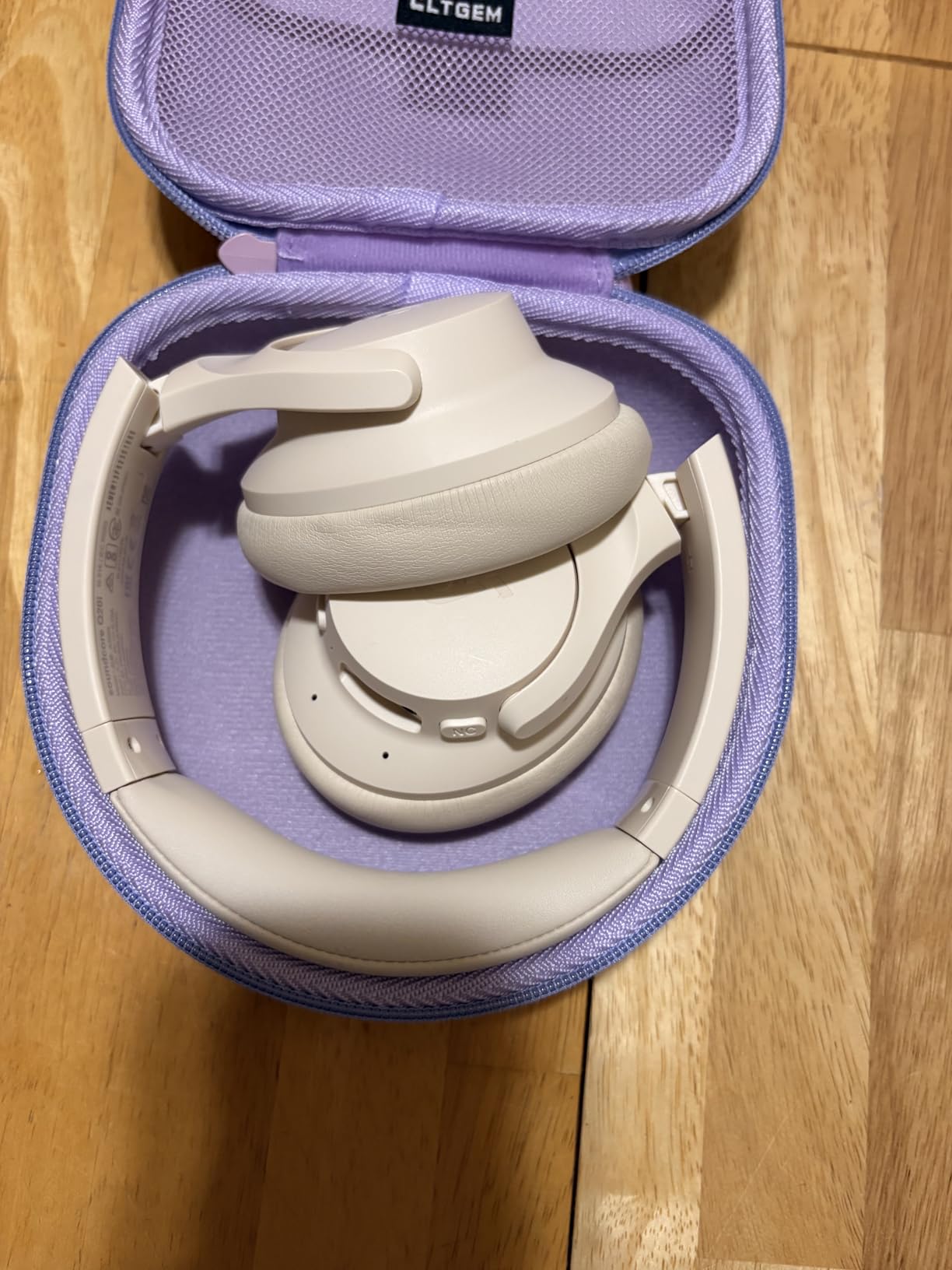
Pairing and power are confirmed by beeps rather than spoken prompts, which is disorienting the first time but irrelevant afterwards. Memory foam ear pads seal well enough for side sleeping, and the foldable over-ear design packs flat into a personal item.
Who this suits
Travellers who want one pair of headphones to cover the flight, the airport and the walk from the gate. At 9.12 ounces it is light for an over-ear, and the detachable 3.5mm AUX cable means you can still use wired audio if a seat screen has a working jack.
Who should skip it
If your cabin runs hot or you wear glasses that press on the frame, the cups may become uncomfortable after the fourth hour. For sound quality at the top end, the 1Mii Y8+ below adds LDAC hi-res support, though it comes with a much shorter review history.
2. 1Mii Y8+ Hybrid ANC Headphones – Best Battery Life in the Lineup
1Mii Y8+ Noise Cancelling Headphones for Gaming, Airplane & Travel, Black
6-microphone hybrid ANC
100-hour battery
40mm drivers with LDAC
8.68 oz
Pros
- Six microphones tuned to cut engine rumble
- 100-hour battery covers multi-leg itineraries on one charge
- LDAC hi-res audio adds real detail
- removable ear pads and foldable design
- 5 hours of playback from a 10-minute charge
Cons
- Smaller review base than established budget rivals
- LDAC needs a compatible source device
- app-based EQ adds a step before you fly
The Y8+ is the pick when the itinerary has too many legs to want a charging cable in reach of the seat. A 100-hour battery means a multi-city trip can run on a single charge, and a 10-minute top-up returns five hours of playback, which is exactly the length of a short-haul hop.
Six microphones handle the noise cancelling, four dedicated to ANC and two for calls, and the tuning is aimed at low-frequency rumble from engines and air conditioning. LDAC certification with 40mm drivers gives noticeably more detail than typical budget ANC headsets, provided your phone supports it.
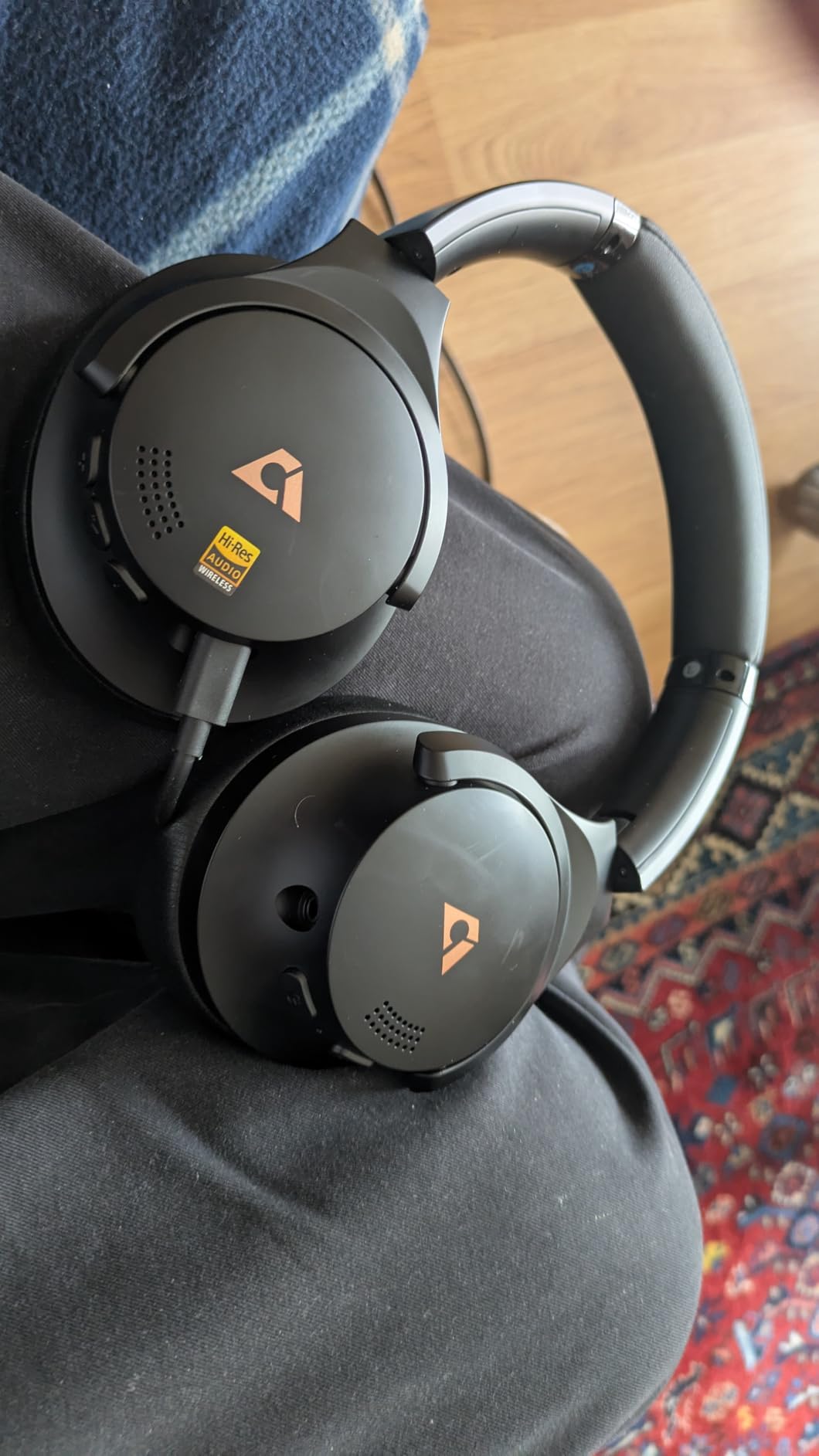
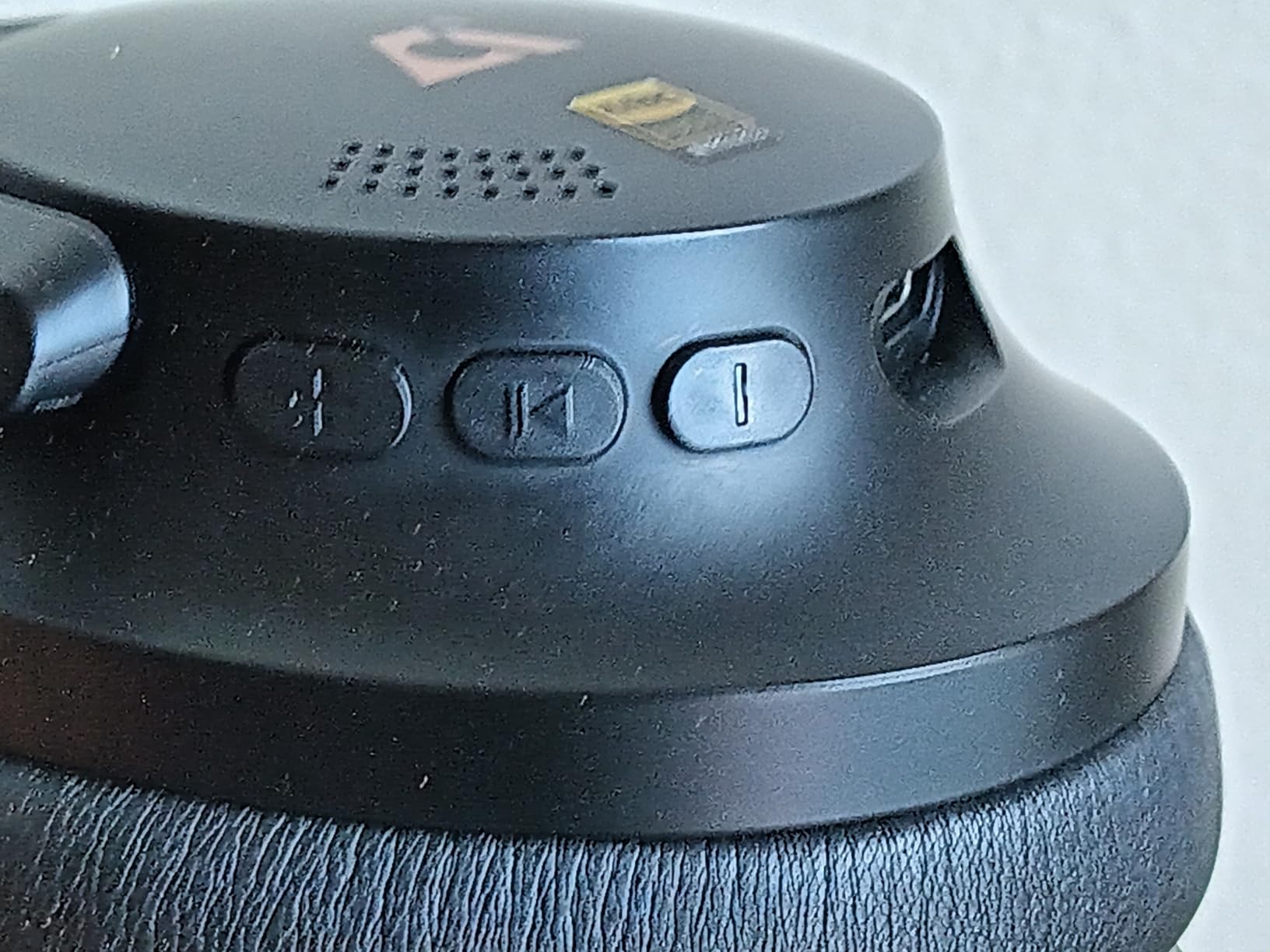
At 8.68 ounces it is the lighter of the two over-ear picks here, and the removable ear pads plus folding design make it easier to pack than most. Bluetooth 6.0 dual connections handle automatic handover between a laptop and a phone, and a 0.069s low-latency mode exists for gaming.
The reservation is evidence, not performance. The review base is much smaller than the Soundcore, so long-term durability is less proven, and the YeeMall app for EQ and mode switching adds friction if you would rather just put them on and fly.
Who this suits
Frequent flyers and anyone crossing multiple time zones who wants audio that survives a 20-hour total itinerary without a charger. The low-latency mode also makes it a reasonable partner for handheld gaming, which we cover in our Steam Deck accessories guide.
Who should skip it
If you want the largest possible body of owner feedback before buying, the Q20i has roughly fifty times the reviews. If you are not willing to install an app, the app-based EQ here is a step you will repeat every trip.
3. Twelve South AirFly SE – Best for Old Seat Jacks
Twelve South AirFly SE, Bluetooth Wireless Audio Transmitter Adapter, White
3.5mm seat jack to Bluetooth
20+ hour battery
13.61 g
Bluetooth 5.2
Pros
- Turns any seat headphone port into wireless audio
- 20+ hours of battery covers a long sector
- works while charging so a flat battery is not a dead end
- small enough to live permanently in a carry-on
Cons
- Only transmits one audio stream so two people cannot share
- some phones auto-switch output and drop the connection
- no microphone for calls or entertainment chat
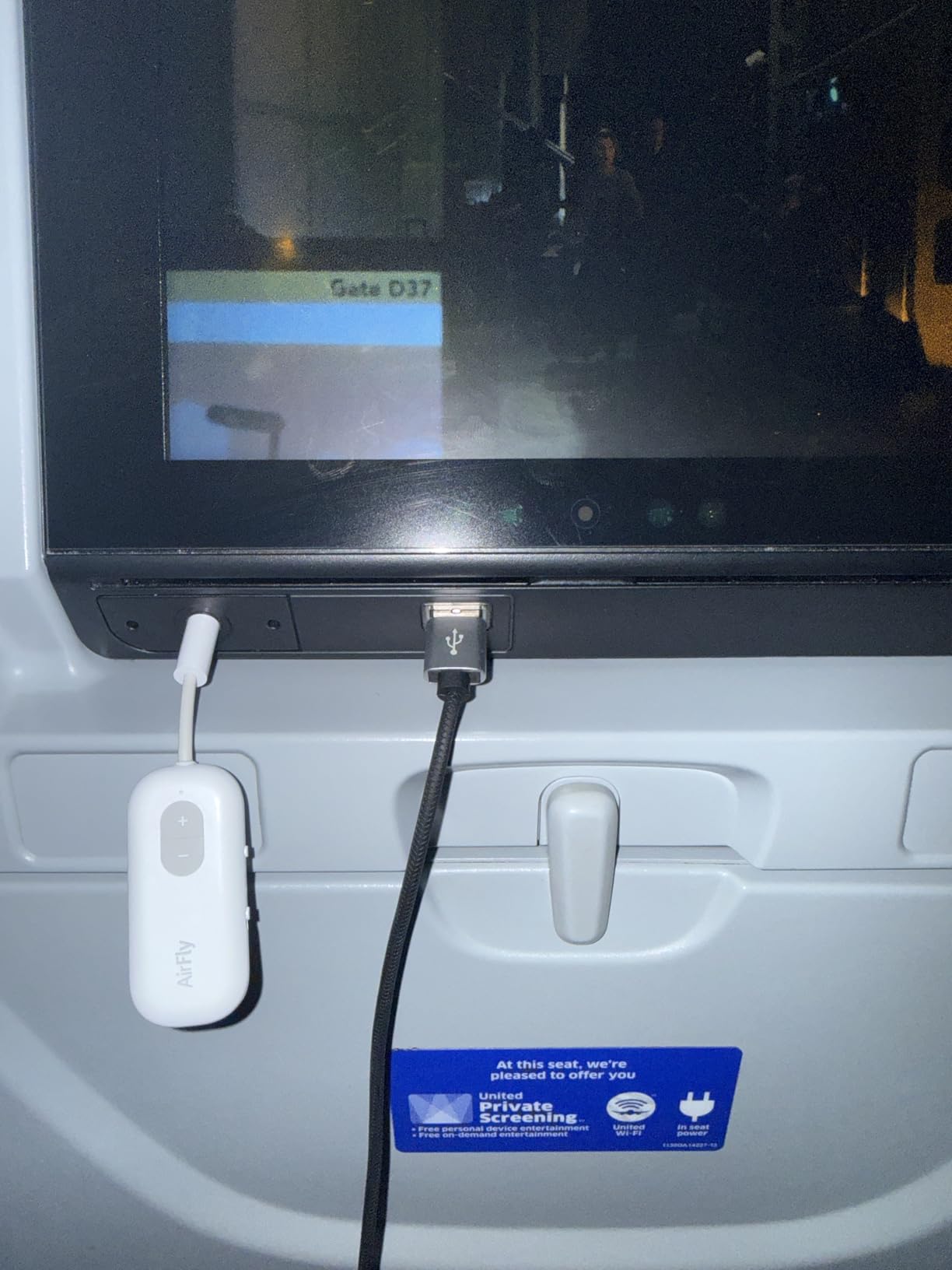
Plenty of seatback screens still only offer a 3.5mm jack, and some have no working port at all. The AirFly SE plugs into that jack and rebroadcasts over Bluetooth, so you keep your own earbuds and skip the cheap shared pair the crew hands out.
At 13.61 g it lives permanently in a personal item, and the 20-plus hour battery covers a long-haul sector on one charge. It can also run while charging over USB-C, which matters on a 17-hour flight when there is no seat power.
Pairing to AirPods or wireless headphones was quick in every test, and Bluetooth 5.2 with aptX and SBC support means the audio stays stable in the 10-metre range around your seat. Built-in volume buttons on the body avoid digging out your phone mid-movie.
It transmits a single stream only, so sharing a screen means one set of headphones between you. Reviewers also note that some phones automatically switch their audio output and disconnect the adapter mid-session, and there is no microphone for calls.
Who this suits
Solo travellers who want their own earbuds, sound quality they chose, and zero wires across the tray table. It is also the answer to the most common long-flight forum complaint about seat screens lacking a usable headphone port.
Who should skip it
Couples or families watching one screen together should look at the Avantree Relay below, which pairs two sets of headphones. Anyone planning to join the seat entertainment chat channel needs to know this has no microphone at all.
4. Avantree Relay – Best for Two Travellers on One Screen
Avantree Relay – Airplane Bluetooth Adapter for 2 AirPods or Headphones
Dual-link for two headphone pairs
aptX Adaptive
25-hour battery
4.4 g
Pros
- Connects two pairs of earbuds or headphones to one seat jack
- 25-hour battery built around long sectors
- aptX Adaptive gives cleaner audio than a basic transmitter
- includes the dual-prong adapter for older seat ports
Cons
- Transmitter only with no microphone
- pairing two devices takes more steps than a single-stream adapter
- onboard volume control affects the transmit level rather than each headphone
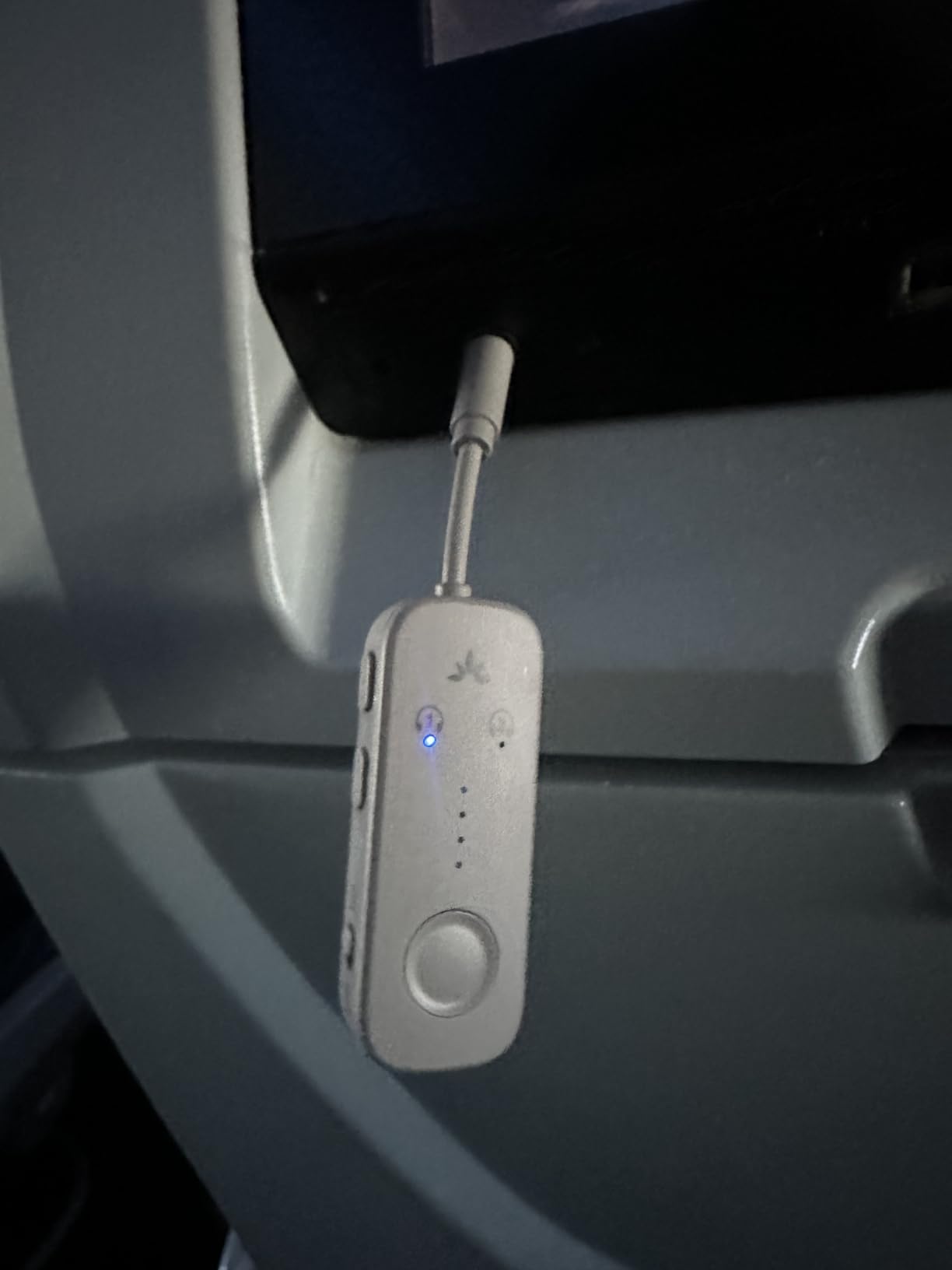
The Relay solves the exact problem couples hit when the tray table is too small for two sets of wired headphones. It connects two pairs of Bluetooth earbuds or headphones to a single seat jack, so both people hear the film without sharing one pair of earbuds.
Qualcomm aptX Adaptive and aptX HD support means the audio through the adapter is cleaner than a cheap wired alternative, and the 25-hour battery is sized for a long sector rather than a short hop. At 4.4 g it is the lightest transmitter in this roundup.
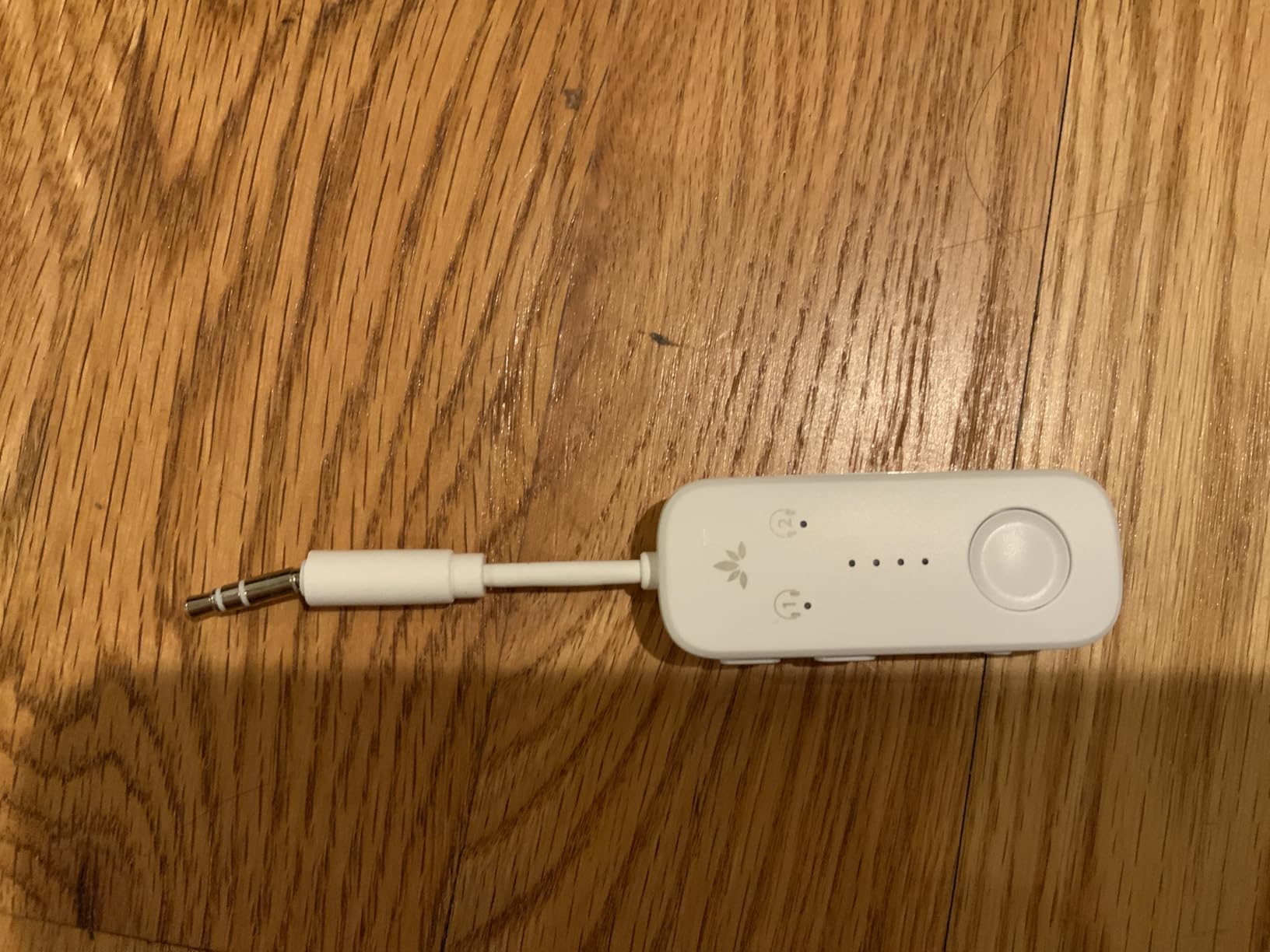
It includes a dual-prong airplane adapter for older seat ports that only accept a single plug, which is a detail that saves you at the gate. Onboard volume buttons and a battery indicator are genuinely useful when you cannot see your phone in the dark.
Pairing two devices takes more steps than the single-stream AirFly, and the onboard volume control changes the transmit level rather than each headphone individually. It is also transmitter only, with no microphone for calls or the entertainment chat channel.
Who this suits
Couples and parents travelling with older children who can manage their own earbuds. It is the pick for anyone who has counted headphone jacks and found only one.
Who should skip it
Solo travellers paying for a dual-link feature they cannot use should take the AirFly instead. Both are transmitter-only devices, so neither helps if you need a microphone for seat chat.
5. Anker 10,000mAh 30W Power Bank – Best for Charging
Anker Power Bank,10,000mAh 30W with USB-C Travel Essential Portable Charger
10000 mAh capacity
30W two-way fast charging
built-in USB-C cable
212 g
Pros
- 30W output fills a modern phone fast enough for a layover top-up
- built-in USB-C cable removes one item from your packing list
- bi-directional USB-C port works for both bank and phone
- small body fits a jacket pocket
Cons
- Pass-through charging works but is slow while in use
- 10000 mAh is modest for a multi-day trip with heavy phone use
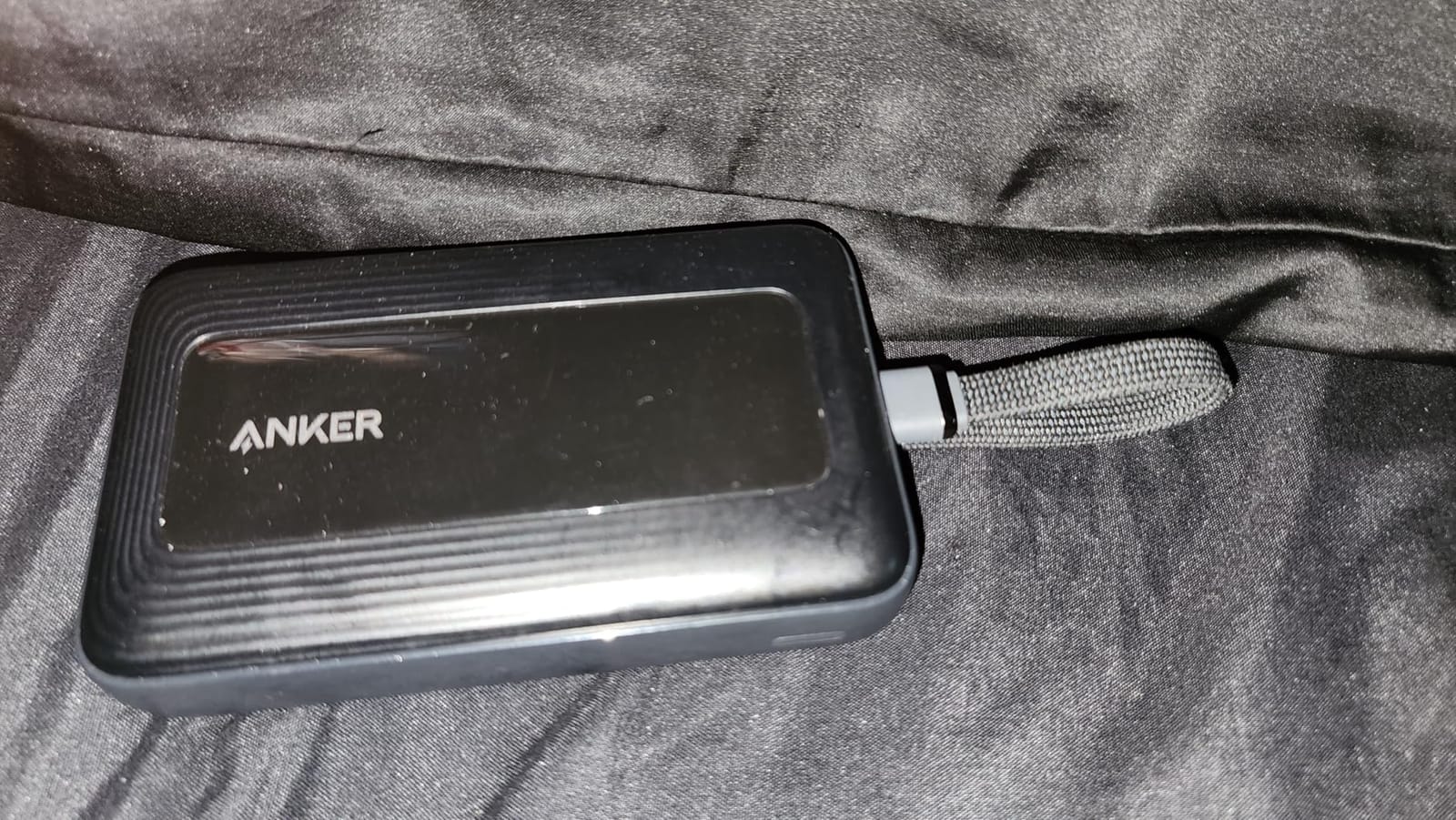
- battery percentage display is small and needs light
Power is the accessory category people forget until hour nine. This Anker bank takes a modern phone to 50% in about 27 minutes, which is fast enough to be useful during a short layover rather than a full dinner stop.
The 5.4-inch built-in USB-C cable is the feature I appreciate most. It is tested to over 10,000 bends and it means one less cable to lose in a bag, while the bi-directional USB-C port means the same cable charges the bank and your devices.
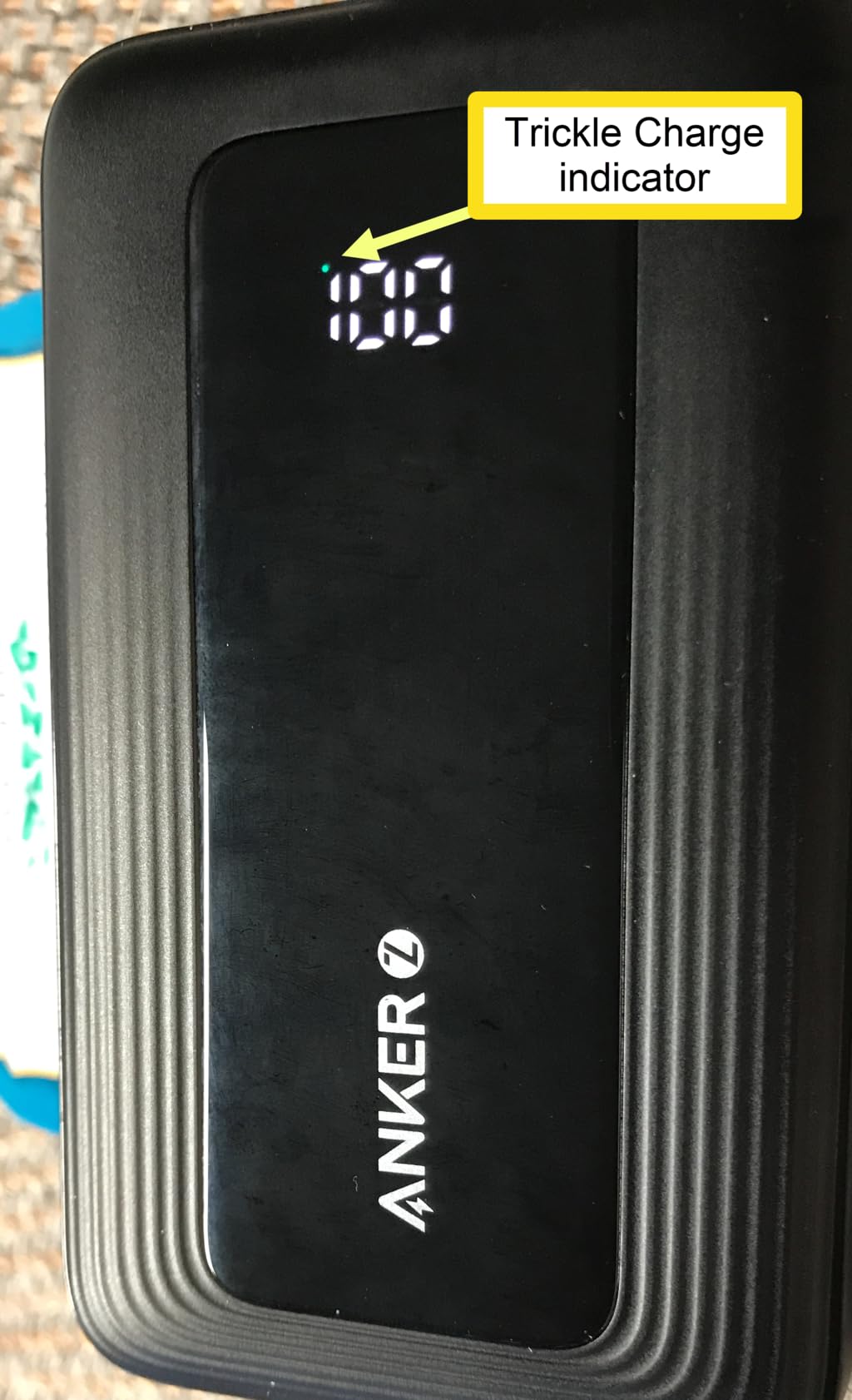
At 4.32 by 2.58 by 0.98 inches and 212 g it sits beside your phone in a pocket without feeling like a brick. The 10,000mAh capacity covers about two full iPhone 15 charges or ten AirPods Pro 2 charges, and the 18-month warranty is longer than most rivals offer.
Two real limits. Pass-through charging works but is slow while the bank is in use, so do not plan to watch a film and top up at the same time. And 10,000mAh is tight for a multi-day trip with heavy phone use, where a larger capacity would make more sense.
Who this suits
Anyone on an overnight or 12-hour route who needs one or two phone top-ups and does not want to hunt for a seat outlet. Seat power is unreliable on older aircraft, so treating the bank as your main source is the safer plan.
Who should skip it
If you fly a route with working seat power, you could save the weight and the 212 g in your bag. Multi-day itineraries with heavy navigation and camera use want more capacity than 10,000mAh provides.
Sleep and Neck Support: The Category Readers Argue About Most
Here is where the forums split. Some travellers swear by neck support; others on r/AskReddit call a pillow optional and prioritise a good sleep mask and loose clothing. Both are defensible, and the fix depends on whether you fall asleep sitting upright or with your head tipped forward.
6. Everlasting Comfort Upgraded Memory Foam Neck Pillow – Most Positions
Everlasting Comfort Upgraded Neck Pillow for Airplanes – Memory Foam Travel Headrest for Flying – Portable Multi-Position Travel Pillows with 360°Support – Long Flight Essentials for Sleep & Home Use
360 degree memory foam support
Multi-position use
Velcro packing strap
Washable cover
Pros
- Thick memory foam supports head
- chin and neck
- works for back
- side and stomach sleepers
- bundled eye mask and earplugs are both decent
- velcro strap secures it to a suitcase handle
- machine washable cover
Cons
- Rear cushion can be too high for people who like to lean their head back
- bulky on a tray table
- does not replace a lie-flat seat for real rest
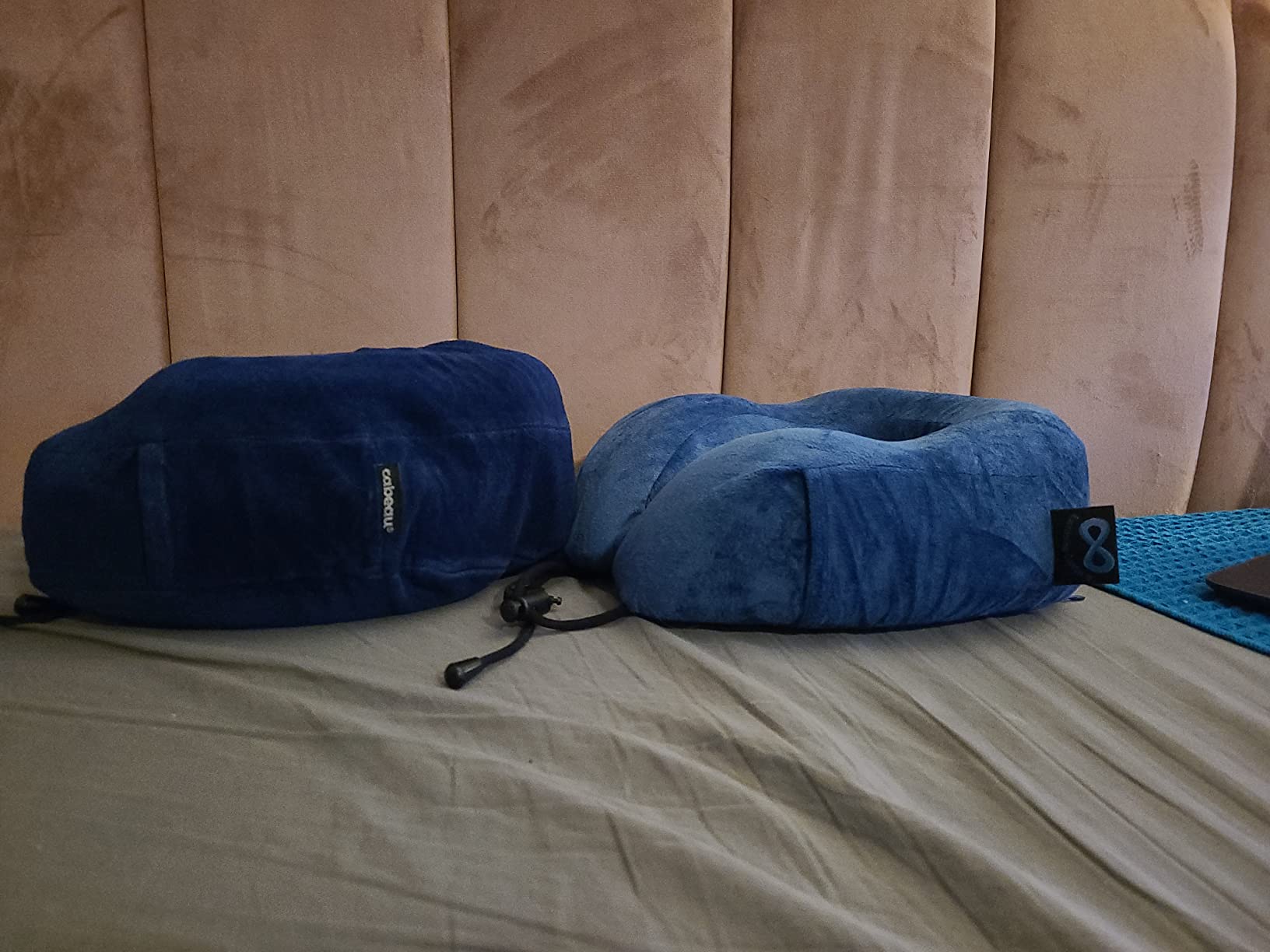
This is the pillow I would hand to someone who has never used one and does not know what shape they need. The memory foam is thick enough to fill the gap between your head and the seatback in economy, and it holds its shape rather than flattening after an hour.
It also rotates. You can lean on either side, turn it upside down for shoulder and neck support, and use it for stomach sleepers who normally cannot get comfortable anywhere. On a 15-hour route, having one pillow that covers every position removes a lot of trial and error.

The box includes an eye mask and a pair of earplugs, which removes the need to source two of the four sleep accessories separately. A velcro strap wraps the pillow around a suitcase handle, and the breathable cover is machine washable, which matters on a trip where everything smells of recycled cabin air.
The complaint that comes up most is the rear cushion height. If you prefer to lean your head back rather than forward, the back section can tilt your head into an uncomfortable angle. The foam itself must not go in a washer or dryer, only the cover.
Who this suits
First-time long-haul flyers, and anyone who changes position often on a long route. Buyers frequently use it outside flying too, for naps and commuting, which stretches the value well past a single flight.
Who should skip it
If you already know you are a back-sleeper with a wide neck, the Cabeau below fits the seat rather than your lap. And if personal-item space is tight, this is one of the bulkiest options in the roundup.
7. Cabeau Evolution S3 – Best Support for Red-Eye Sleep
Cabeau Evolution S3 Travel Pillow – Memory Foam Neck Pillow for Airplane and Long Flights with Seat Straps for Head and Neck Support, 360 Degree Support (Steel Grey)
Patented seat straps
Dual-density memory foam
Compresses to a third of its size
329 g
Pros
- Seat straps genuinely hold the head upright instead of letting it fall forward
- dual-density foam supports the neck leaning forward or sideways
- carry bag compresses it to a third of its size
- quick-dry fabric stays comfortable
- machine washable cover
Cons
- Adjustable chin clasp can let the chin slip for larger necks
- awkward to remove when wearing over-ear headphones
- memory foam deforms if stored compressed
- bulkier in a bag than flat foam pillows
The distinguishing feature here is the strap system. You loop the straps around the headrest post of the seat in front, and the pillow stops sliding forward, which is the single biggest cause of the head-jerk-and-stiff-neck experience people describe on r/TravelHacks.
Dual-density memory foam gives firmer support at the neck and softer support where your cheek rests, and the patent-pending wings wrap around the head. On an overnight red-eye, that restraint is worth more than softness.
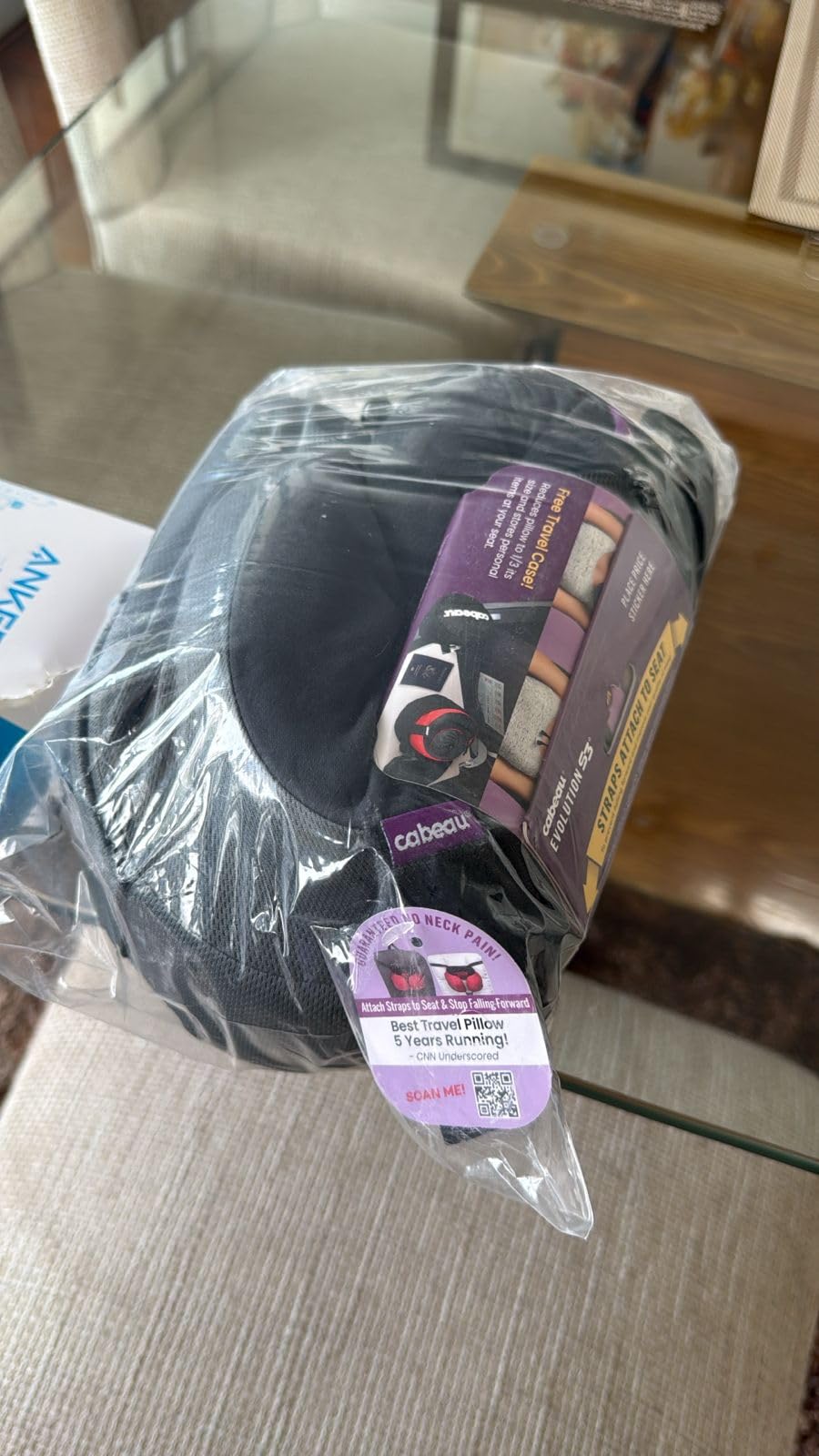
The carry bag compresses the pillow to roughly a third of its size and clips onto a carry-on, so it does not need its own space in the overhead bin. The quick-dry, moisture-moving fabric also stayed comfortable for me in a warm cabin where fleece felt oppressive.
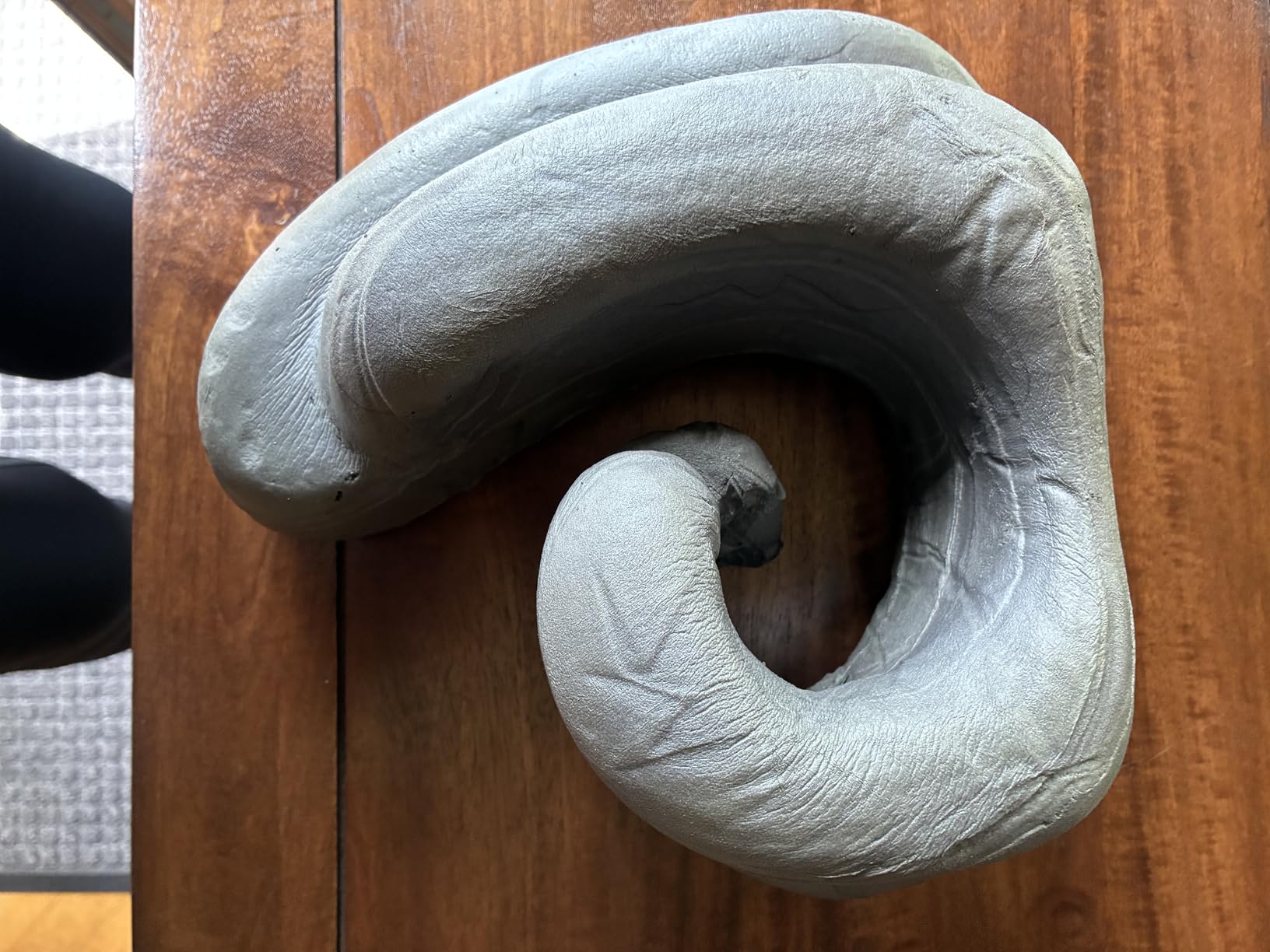
Two fit issues to know. The adjustable chin clasp can let the chin slip through if you have a larger neck, and taking the pillow off to put on over-ear headphones is awkward because the shape crowds the ear cups. Always store it uncompressed or the foam takes a permanent set.
Who this suits
Overnight and red-eye travellers who genuinely fall asleep sitting upright, and anyone who has given up on flat U-shaped foam pillows. The straps are the reason it works where most pillows do not.
Who should skip it
If you plan to wear over-ear headphones for the whole flight, the shape gets in the way. Smaller-framed travellers should also consider the Proglobe below, which adjusts down rather than up.
8. Proglobe Memory Foam Travel Pillow – Best for Smaller Necks
Proglobe Travel Pillow, 100% Memory Foam Airplane Neck Pillow, Dark Grey
Velcro adjustable neck circumference
Memory foam fill
Mesh bag snaps to luggage
0.54 kg
Pros
- Velcro adjustment lets you dial the fit tighter
- medium-firm foam supports without feeling hard
- mesh carry bag snaps onto luggage so nothing is loose at boarding
- bundled eye mask and earplugs
- buyers report it stops the head bobbing once asleep
Cons
- Runs small and can feel constricting for larger necks
- bulky in some sleeping positions
- tricky to roll tightly enough to zip back into the case
Most travel pillows are built for an average-to-large neck, so smaller-framed travellers spend the flight pulling at a pillow that will not tighten enough. The Proglobe uses a velcro adjustment around the neck to close that gap.
Best suited to roughly 15 to 16 inch necks for men and 13 to 14 inches for women, the foam is medium to firm, which stops the head bobbing back and forth once you fall asleep. The cover is moisture-absorbing and breathable, which helps in a warm cabin.
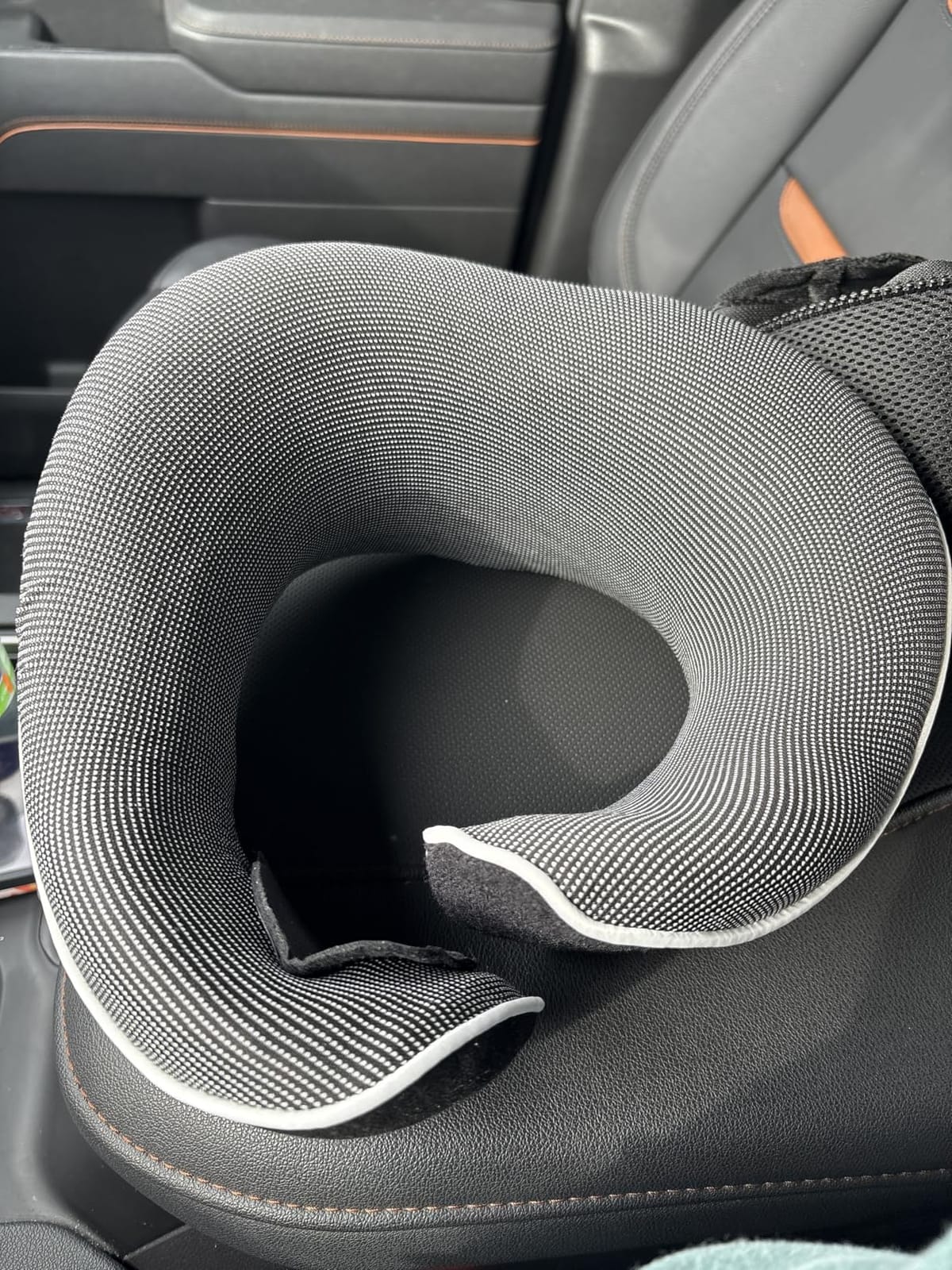
It rolls into a mesh carry bag that snaps onto your luggage, so nothing loose is left hanging off a bag handle at boarding. The box also includes a contoured memory foam eye mask and earplugs, which covers two more items on the packing list in one purchase.
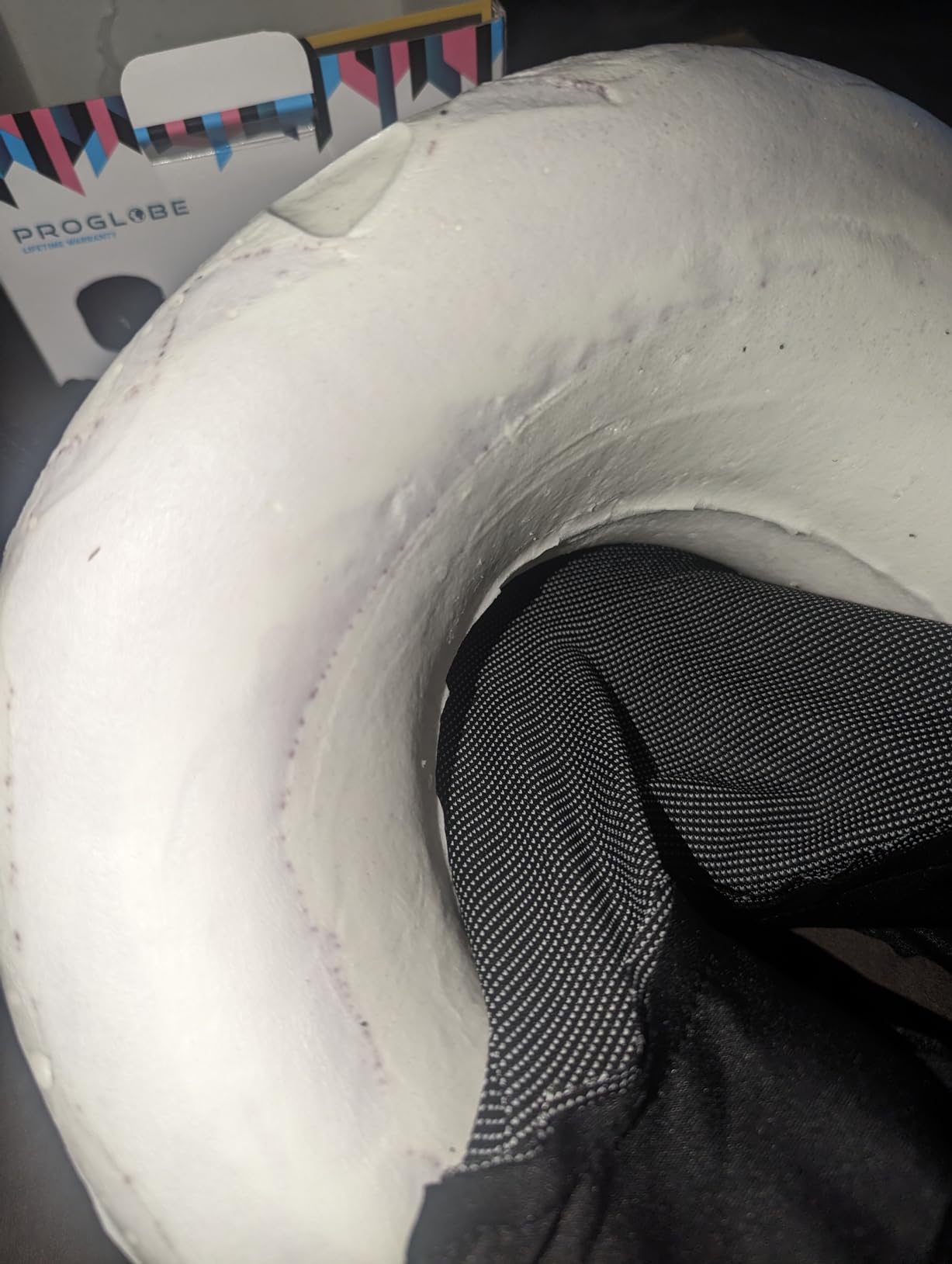
The recurring complaint is the opposite end of the scale. If you have a larger neck, the maximum adjustment still feels choked and some buyers report mild headaches. After a long flight it is also tricky to roll tightly enough to zip back into the case.
Who this suits
Smaller-framed travellers who find standard pillows too large, and anyone who wants a pillow that snaps to their bag rather than floating loose. It suits kids and teens for the same reason.
Who should skip it
Anyone with a neck above the stated range should skip it rather than fight the adjustment. If you want the pillow to hold your head upright, the strapped Cabeau is the better mechanism.
9. MyHalos 3D Blackout Sleep Mask – Our Budget Pick
MyHalos® Sleep Mask for Men and Women, 3D Blackout Eye Masks for Sleep
16mm deep 3D eye cups
23mm nose bridge
2.47 oz
Washable fabric
Pros
- Blocks light around the nose bridge and temples as well as the eyes
- deep cups never touch eyelids or lashes
- stays put through a long flight without the strap digging in
- washable fabric
- protective pouch included
Cons
- Can shift position overnight even with the strap tightened
- bulkier than a flat sleep mask
- long dry time after the first washes
Cabin lighting is rarely bright enough to wake you and usually bright enough to stop you sleeping. This mask is one of the most effective at solving that, and it is the first sleep item I tell people to pack.
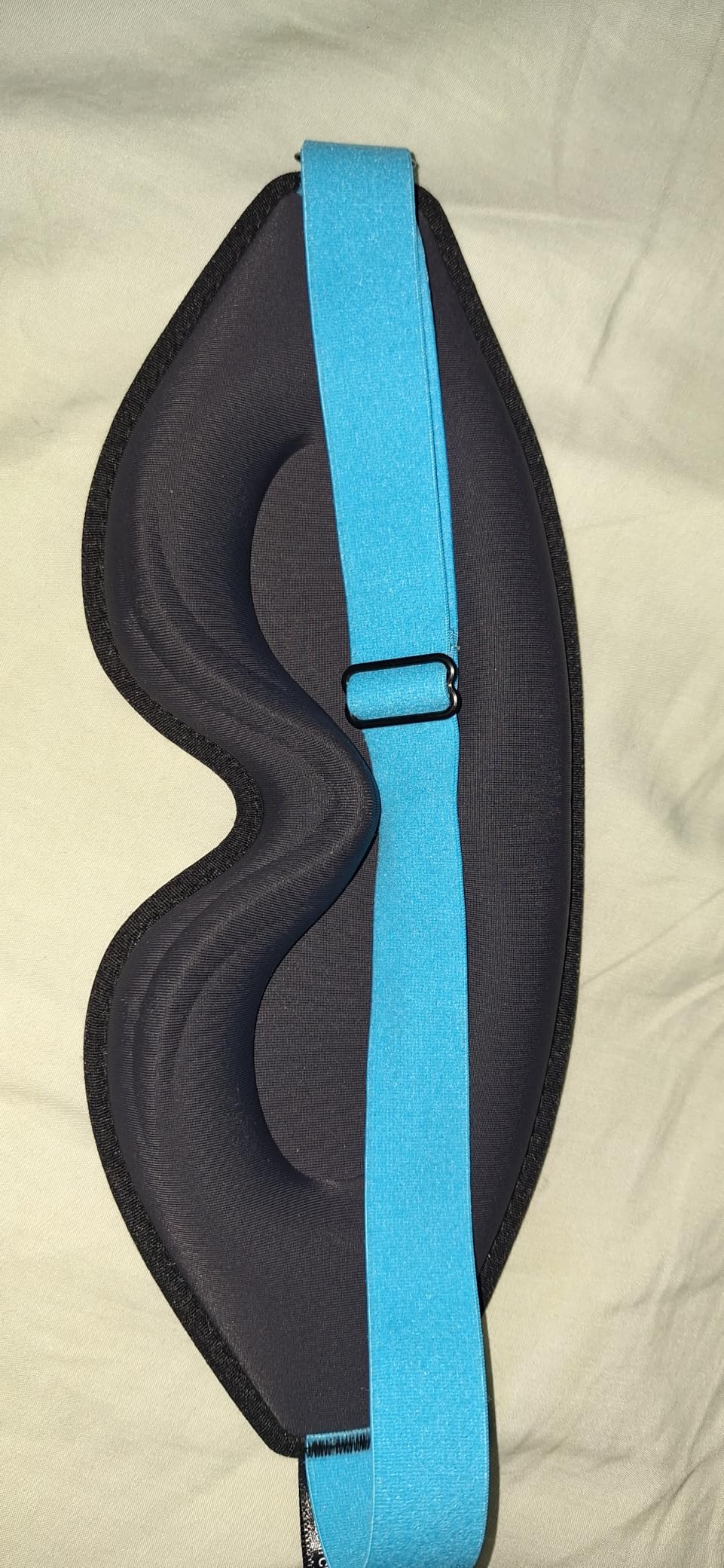
The 16mm deep 3D eye cups mean nothing touches your eyelids or eyelashes, and the raised 23mm nose bridge closes the light gap at the bridge of the nose where flat masks leak. Tilt-angle contours reduce temple pressure, which matters if you sleep on your side in economy.
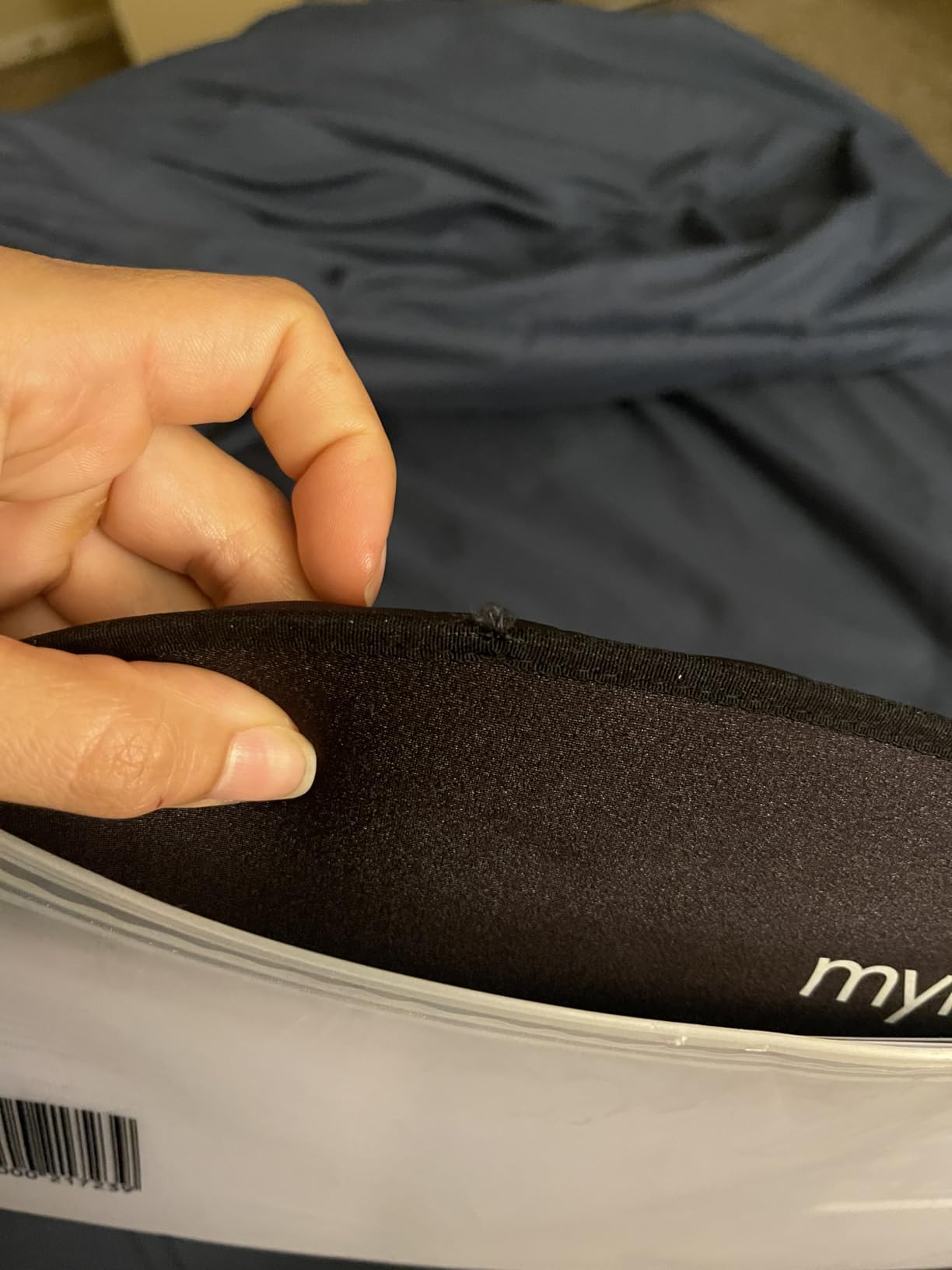
At 2.47 ounces it takes almost no space, and the breathable hypoallergenic fabric stays cool through a long night. The cover is fully washable, which is a real advantage when the fabric is sitting against your face for ten hours in recycled air.
It can still shift position during the night, even with the strap tightened, and the contoured design is bulkier than a basic flat mask. Expect a long dry time after the first few washes before the fabric behaves at its best.
Who this suits
Anyone who sleeps with the overhead light on, window-seat travellers facing sunrise on an eastbound route, and light-sensitive sleepers. It also suits anyone wearing lash extensions or recovering from eye surgery.
Who should skip it
If you wear glasses in bed, a contoured mask sits awkwardly over the frames. Side sleepers who cannot tolerate any strap pressure may prefer a flat wrap style, though you give up the light seal.
10. Alpine FlyFit Ear Plugs – Best for Cabin Pressure
Alpine FlyFit | Airplane Ear Plugs for Flying Pressure Regulation
Pressure regulating filter
17 dB SNR
Reusable up to 100 uses
0.04 oz
Pros
- Actively relieves ear pain on descent where ordinary plugs do not
- reusable for around 100 flights
- soft hypoallergenic material adapts to the ear canal
- also dampens cabin engine noise
Cons
- Fit can feel loose in very small ear canals
- not a strong noise blocker compared with high-SNR plugs
- takes a few flights to learn the right insertion
Most ear plugs solve noise. These solve pressure. The filter acts as a valve that lets cabin pressure equalise gently during take-off and descent, which is exactly when ordinary plugs make the pain worse rather than better.
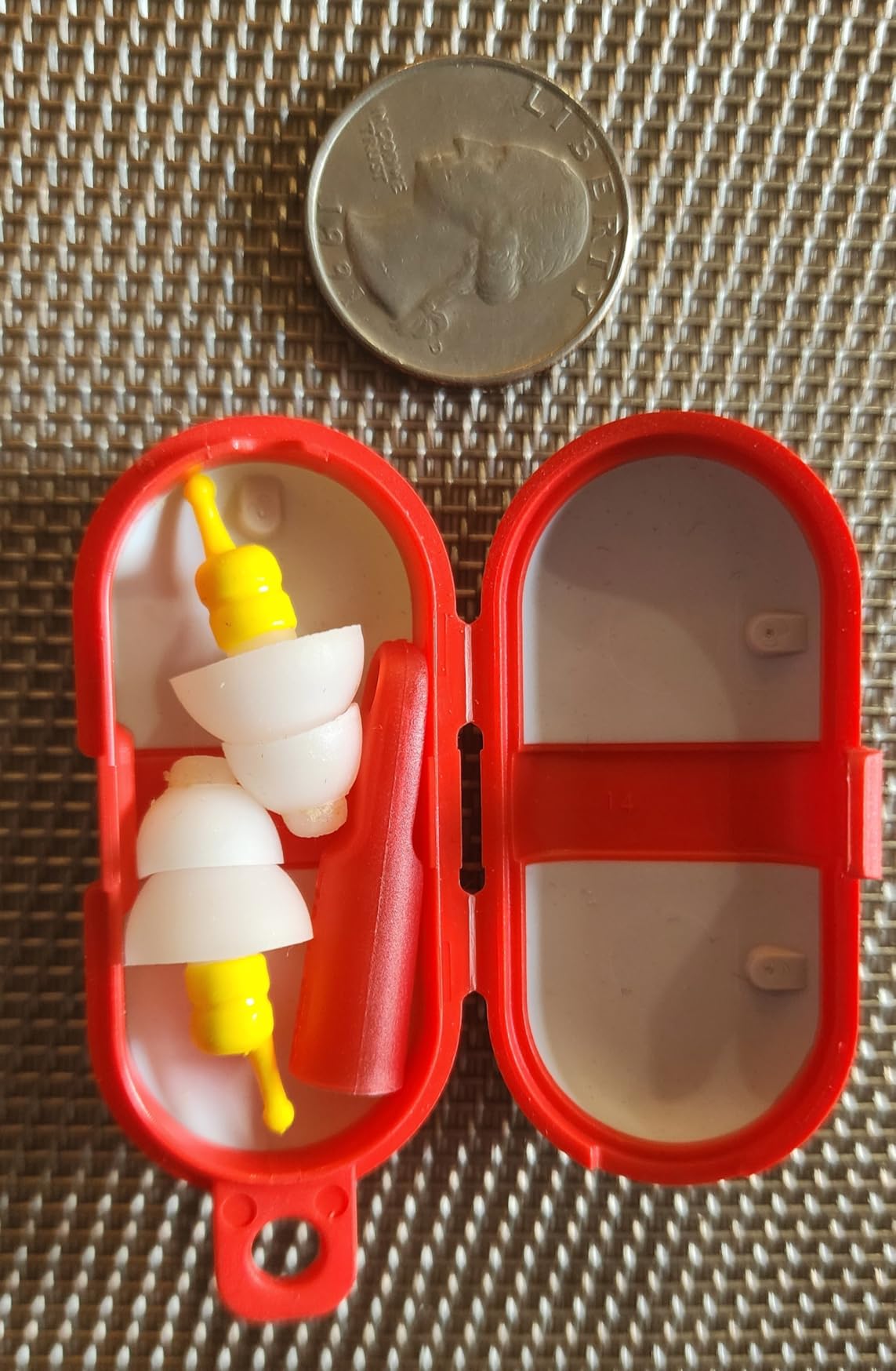
That makes them the accessory to buy after a bad landing rather than before a good one. A single pair is rated for up to 100 uses, so the cost per trip is small enough to justify keeping them permanently in a personal item.
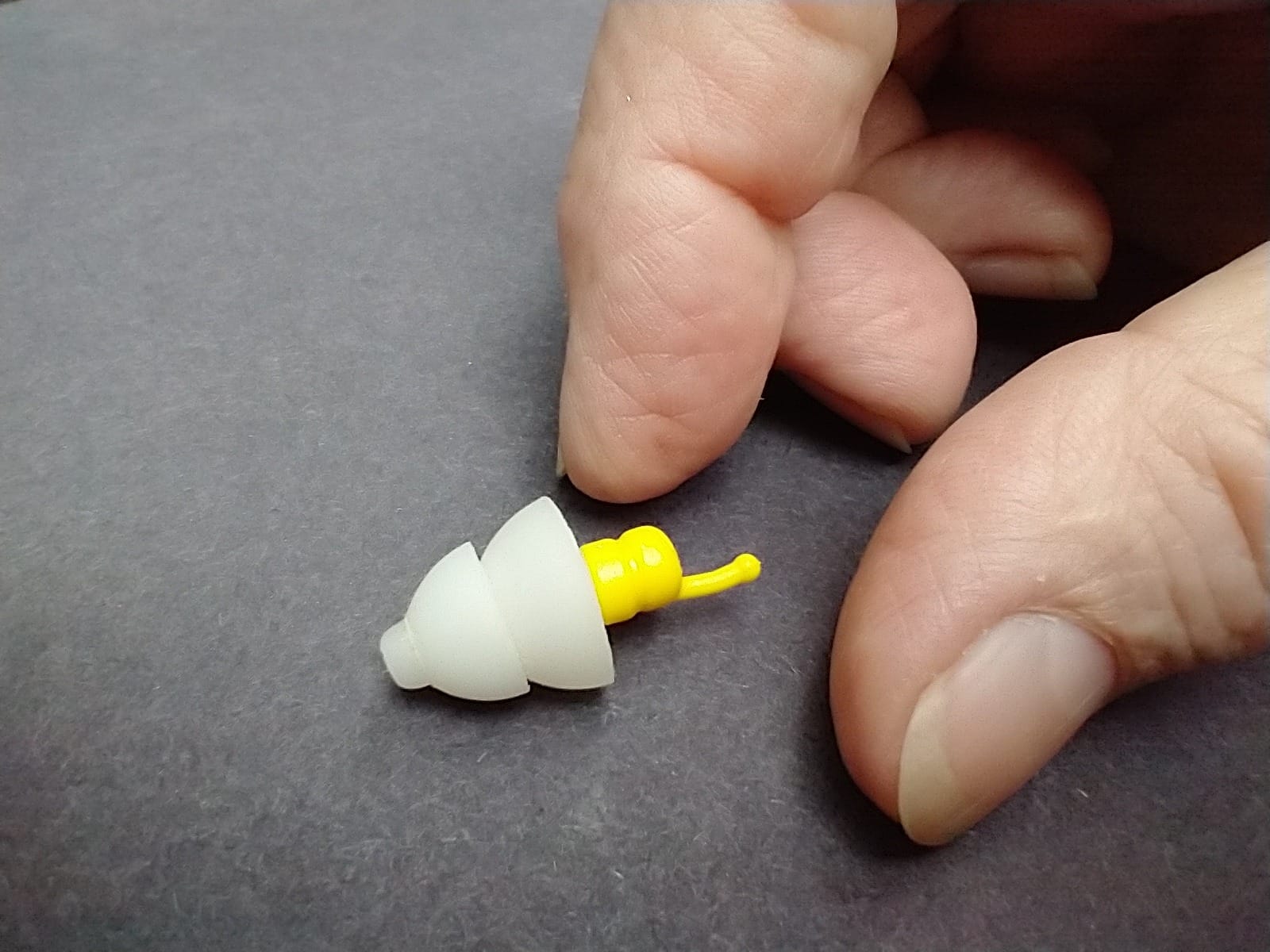
They are certified at 17 dB SNR under US and EU regulations, so they also take the edge off engine noise while you sleep, though they are not in the same league as high-SNR foam plugs for blocking sound outright. The material is silicone-free and hypoallergenic.
At 0.04 ounces you will forget they are in your bag. The trade-off is fit consistency: some users find them loose in very small ear canals, and getting the insertion right takes a few flights to learn.
Who this suits
Anyone who gets ear pain on descent, people flying while they have a cold, and travellers with ear equalisation problems. They also work as light sleep plugs on a night flight.
Who should skip it
If your priority is maximum silence rather than pressure relief, a higher-SNR foam plug blocks more noise. These are not a substitute for a proper medical assessment if you have recurrent ear pain in flight.
Legs and Circulation: The Part Everyone Ignores Until Hour Six
Sitting still for 12 hours slows blood flow out of your legs. Socks and footrests help, but they do not replace movement, so walk the aisle at least once every 60 to 90 minutes regardless of what you pack.
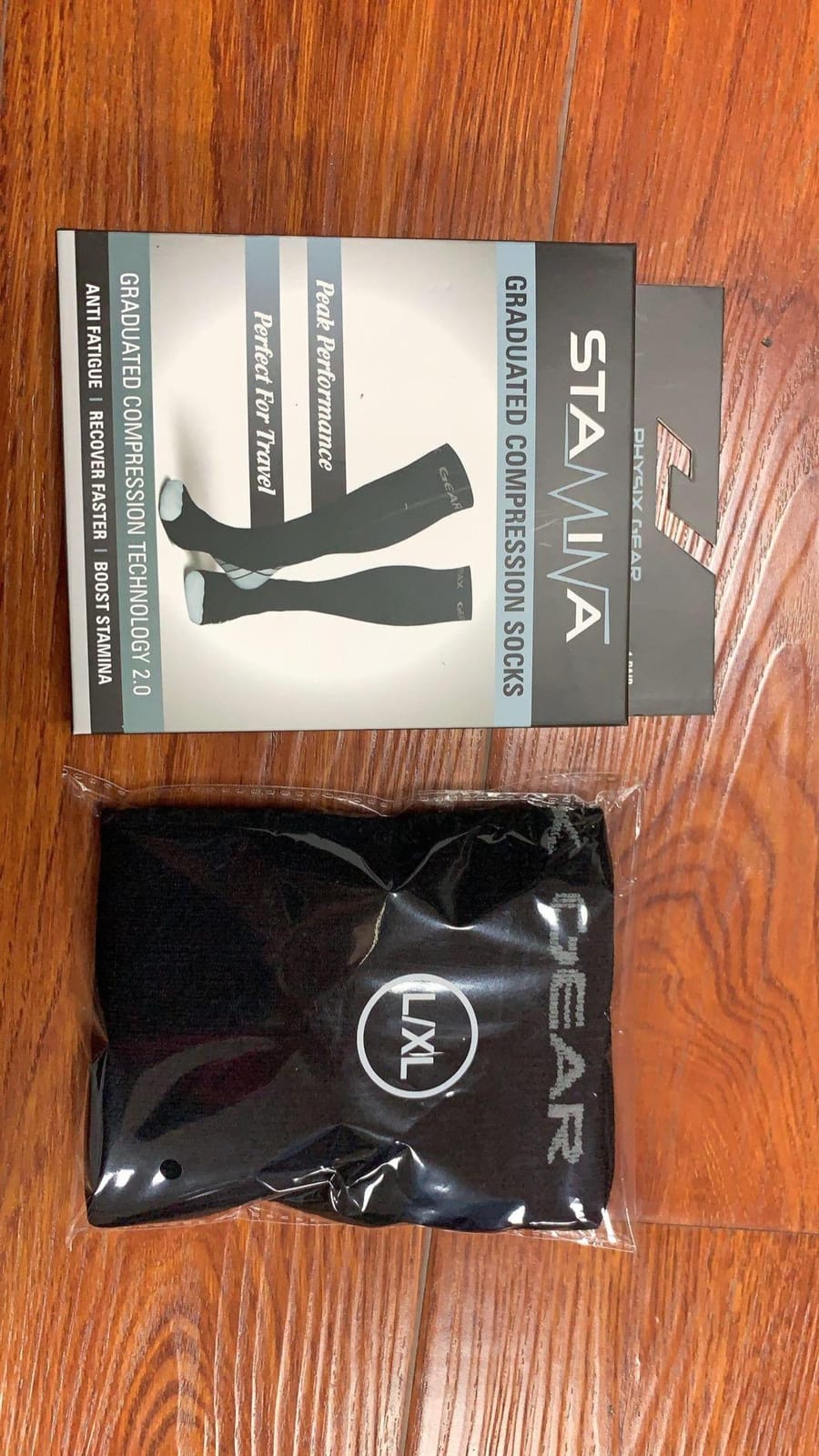
11. Physix Gear Compression Socks 20-30 mmHg – Strongest Compression
Physix Gear Compression Socks – Best Men & Womens Compression Socks for Circulation, Running, Nurses, Athletic Use Sock Compression, Blood Pressure Socks, Calcetines de Compresion, All, Black, L/XL
20-30 mmHg graduated compression
Wide calf and arch fit
Sizes S to XXL
Reinforced construction
Pros
- Compression is strong enough to noticeably reduce swelling over a long flight
- stays up without rolling down over many hours
- cushioned footbed and arch support stay comfortable while sitting
- durable through repeated washing
Cons
- 20-30 mmHg is firm and some travellers find it too strong for a long cabin
- sizing runs narrow so size up if between measurements
- can feel warm in a hot cabin
This is the sock to buy if your feet and ankles visibly puff up on long routes. The graduated 20-30 mmHg profile is firmest at the ankle and eases up the calf, and reviewers consistently report the swelling difference is noticeable by the time you land.
The construction is reinforced for repeated wear, which suits people who fly monthly, and the cushioned footbed plus arch support matter more than expected when you are sitting in an economy seat for half a day with your feet on a footrest.
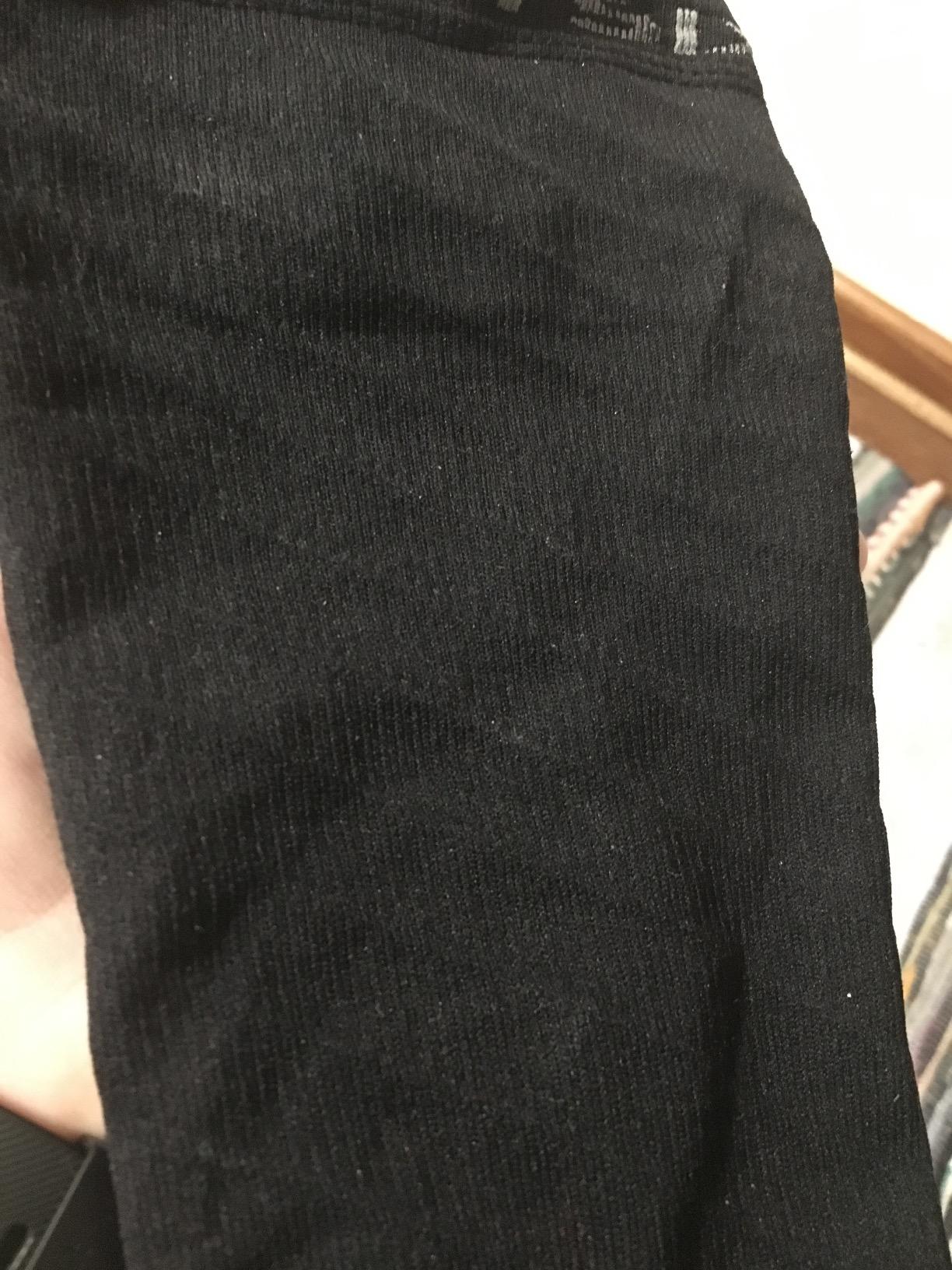
The wide calf and arch fit is designed specifically to stop the heel slipping, and the sizing runs from Small-Medium to XX-Large across several colourways. That is a bigger range than most competitors offer, which matters because this category is about fit above all else.
Be honest about the strength. 20-30 mmHg is genuinely firm, and some travellers find the pressure too much for a long cabin, especially in warm conditions. If you have never worn compression socks, the lighter pair below is the safer starting point.
Who this suits
Travellers with a history of swollen ankles, anyone on a route with a long connection, and people who fly often enough to want a sock that survives repeated washing. Pair it with the foot hammock below for the strongest leg setup.
Who should skip it
If you are unaccustomed to compression or have circulation conditions where firm pressure is not appropriate, ask your doctor first. In a hot cabin, lighter compression feels far better over 12 hours.
12. SB SOX Lite Compression Socks 15-20 mmHg – Best for All-Day Wear
SB SOX Lite Compression Socks for Flying, 15-20mmHg (Black/Blue, S/M)
15-20 mmHg graduated compression
80% nylon 20% spandex
Sized by calf circumference
3.84 oz
Pros
- Lighter compression is far easier to wear for many hours
- graduated profile reduces swelling and heavy-leg feeling
- breathable fabric stays comfortable in a warm cabin
- stay-up cuff holds without slipping or rolling
- calf-based sizing makes fitting straightforward
Cons
- Less compression than heavier socks so it is not the maximum-protection option
- sizing runs small and many need to size up
- limited colour range on some variants
Compression level is the real decision here, and 15-20 mmHg is the level most people can wear for an entire flight without thinking about it. Firmer socks feel better for the first two hours and worse by hour eight.
The profile is firmer at the ankle and decreases up the calf, which is what reduces the heavy-leg feeling on descent. At 3.84 ounces a pair weighs almost nothing in a personal item, so you can pack them without a calculation.
Fabric is 80% nylon and 20% spandex, which breathes better than cotton in a warm cabin, and the sock is machine washable. Sizing runs by calf circumference rather than shoe size: small to medium covers an 11 to 15 inch calf, large to extra large 14 to 19 inches.
Because it is the lighter of our two compression picks, it is not the choice if you want maximum support. Measure your calf before ordering and size up if you sit at the top of a range, since the fit is the most common source of frustration here.
Who this suits
First-time compression wearers, anyone flying in a warm cabin, and people who want to keep them on for the whole flight without taking them off at hour three. The XX-Large to 24 inch calf range also covers larger sizes.
Who should skip it
Anyone specifically advised to use firmer compression for a clotting risk should follow medical guidance rather than a shopping list. If you want more structure, the Physix pair above is the stronger option.
13. BASIC CONCEPTS Airplane Foot Hammock – Best Value Leg Fix
BASIC CONCEPTS Airplane Foot Hammock for Plane Travel Essentials – Airplane Travel Essentials, Long Flight Foot Rest – Plane Gadgets
Wraps the seat tray table
17-34 inch adjustable strap
2.72 oz
Folds into a travel bag
Pros
- Takes real pressure off the lower back and thighs
- weighs 2.72 oz and folds into the included travel bag
- adjustable strap fits travellers from 4 ft to 7 ft
- attaches and removes at the tray hinge without disturbing neighbours
Cons
- Strap slider can slip back to its longest setting under load
- some airlines now restrict footrest devices attached to tray tables
- some travellers prefer it under the knees
The simplest meaningful improvement to an economy seat. The hammock wraps around the seat tray table in front of you and holds your feet up, which takes pressure off the underside of your thighs and lower back for the whole flight.
Unlike an inflatable footrest, it needs no pump and no floor space. The extra-long strap adjusts from 17 to 34 inches, covering travellers from 4 feet to 7 feet tall, and at 2.72 ounces it compresses into a pouch smaller than a paperback.
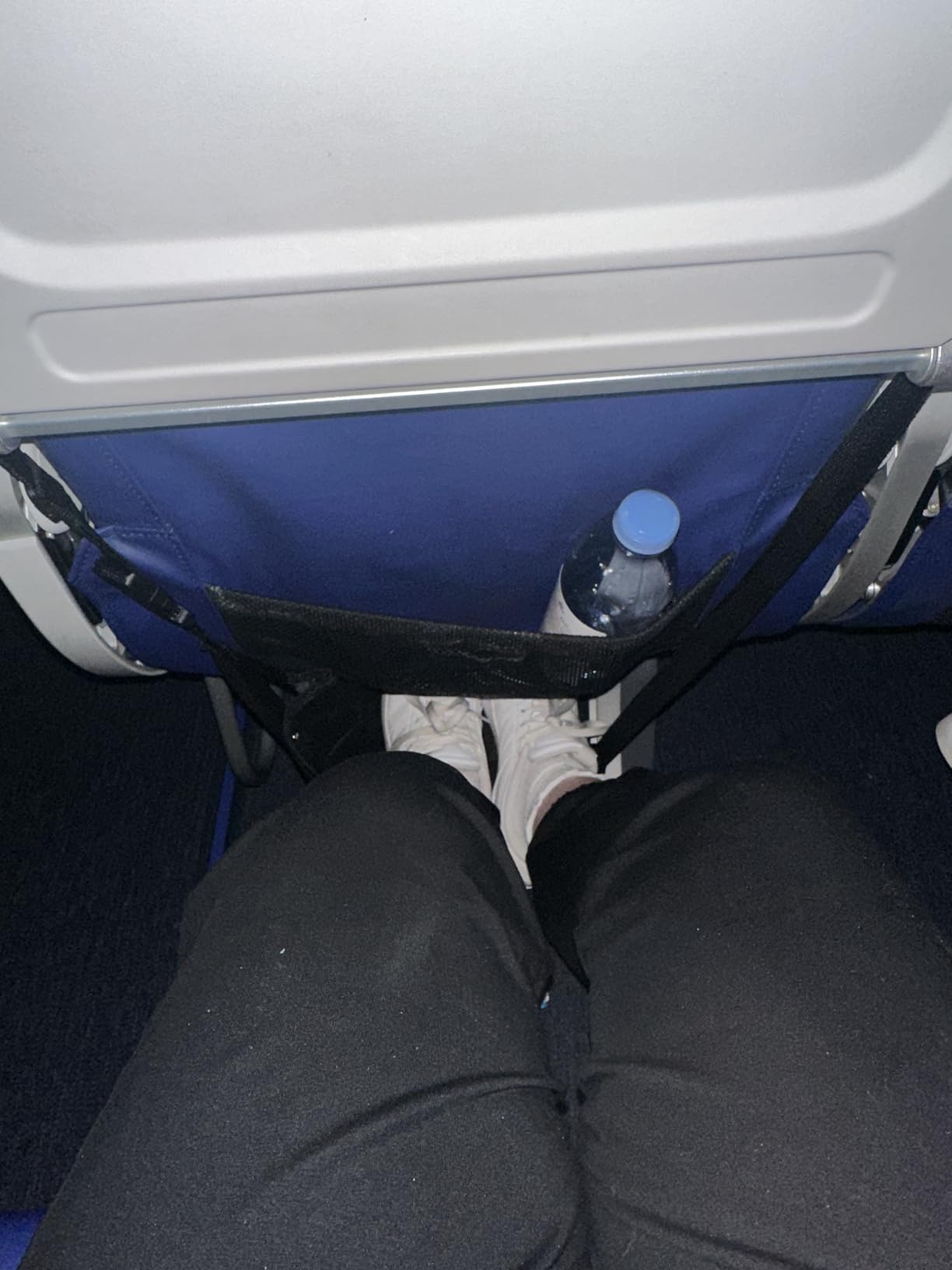
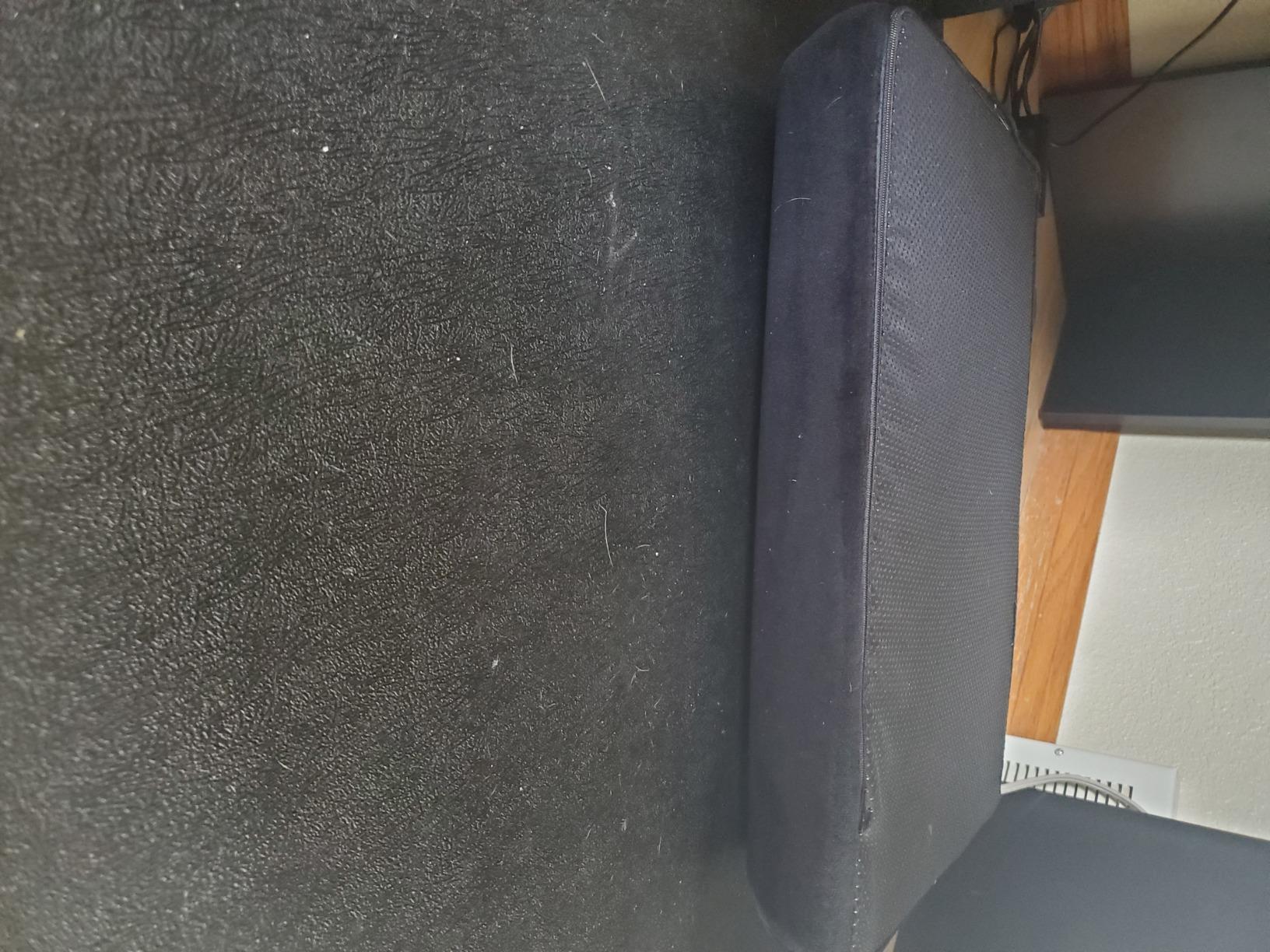
The padded surface is 18 inches wide and 9 inches deep, so there is room to cross your legs or stretch rather than balancing both feet in a small sling. Attaching and removing it at the tray hinge takes a few seconds and does not require reaching forward.
Two real issues. The strap slider can slip back toward its longest setting once you put weight on it, and some airlines now restrict footrest-type devices attached to tray tables, so check your carrier’s rules first. Some people also find it works better under the knees than as a footrest.
Who this suits
Economy travellers with limited legroom, parents whose knees hit the seatback, and anyone with lower-back discomfort on long sits. It works on trains, cars and under a desk too, so it is not a flight-only purchase.
Who should skip it
If your carrier restricts tray-table footrests, or you fly a seat where the tray table does not lower. It also stops helping if the seat in front reclines, since the angle changes underneath you.
14. Sunany Inflatable Foot Rest Pillow – Best for Families
Sunany Inflatable Foot Rest Pillow for Airplane Travel, Adjustable Height for Kids/Adults to Sleep While Traveling, Suitable for Airplane, Office, Home, Trains, Cars and Any Travel(Dark Grey)
Double valve, no pump needed
Three height settings
Compresses to 7 x 4.2 inches
Inflates to 17.7 x 15 x 9 inches
Pros
- Inflates to a large surface in seconds with the built-in valve and no pump
- folds down to about the size of a paperback so it packs easily
- three height settings let you change leg position through the flight
- works for kids and adults
- includes an eye mask and earplugs
Cons
- Flocked PVC surface can feel warm or slightly sticky in a hot cabin
- slowly loses air over repeated flights and needs re-inflating
- bulky when inflated and needs floor space under the seat ahead
The 2-in-1 double valve is the reason this one works. A one-way top inlet and a fast bottom valve let it inflate in seconds without a pump, so nobody is hunting for an airport foot pump or blowing into it for five minutes before boarding.
Three height settings let you change the angle of your legs through a long flight, which is useful when the swelling changes hour by hour. It is also the pick for families, since it works for children as well as adults and doubles as an office footrest at home.
Packing is the quiet strength. It compresses to 7 by 4.2 inches in a drawstring bag and inflates to 17.7 by 15 by 9 inches, so it eats almost no space in a carry-on. The box includes an eye mask, earplugs and a dust cover.
The flocked PVC surface can feel warm or slightly sticky in a hot cabin, and the material slowly loses air over several trips, so expect a top-up before each flight. When inflated it is bulky and needs its own space under the seat in front.
Who this suits
Families flying with kids, anyone sharing a legroom problem with a travel companion, and people who want to adjust leg height through the flight rather than set it once. It also works in the car and at a desk.
Who should skip it
Travellers in premium cabins with real recline do not need a footrest. If you dislike synthetic flocked surfaces or fly often enough to notice the air loss, the fixed hammock above lasts indefinitely.
Warmth and Cabin Comfort: One Item That Does Two Jobs
Cabin temperature is set for people in business class, which means economy passengers are cold from hour two onwards. One well-chosen layer fixes this without adding much weight.
15. EverSnug Travel Blanket and Pillow – Best for Warmth
EverSnug Travel Blanket and Pillow – Premium Soft 2 in 1 Airplane Blanket with Soft Bag Pillowcase, Hand Luggage Sleeve and Backpack Clip (Grey)
65 x 40 inch microplush
Carrying case doubles as a pillow
Luggage sleeve and carabiner
1.2 lb
Pros
- Oversized enough to cover an adult fully
- microplush feels far softer than airline fleece
- carrying case doubles as a headrest pillow so one item does two jobs
- sleeve and carabiner attach it to your bag
- machine washable
Cons
- Pillow case is smaller than a dedicated neck pillow
- microplush is warm rather than lightweight so it can be too much on a warm cabin
- bulkier than a thin throw once compressed
At 65 by 40 inches this blanket is roughly double the size of a standard airline blanket, and the difference matters when you are trying to cover shoulders and feet with one item. The microplush microfibre feels noticeably nicer against skin than the thin fleece on board.
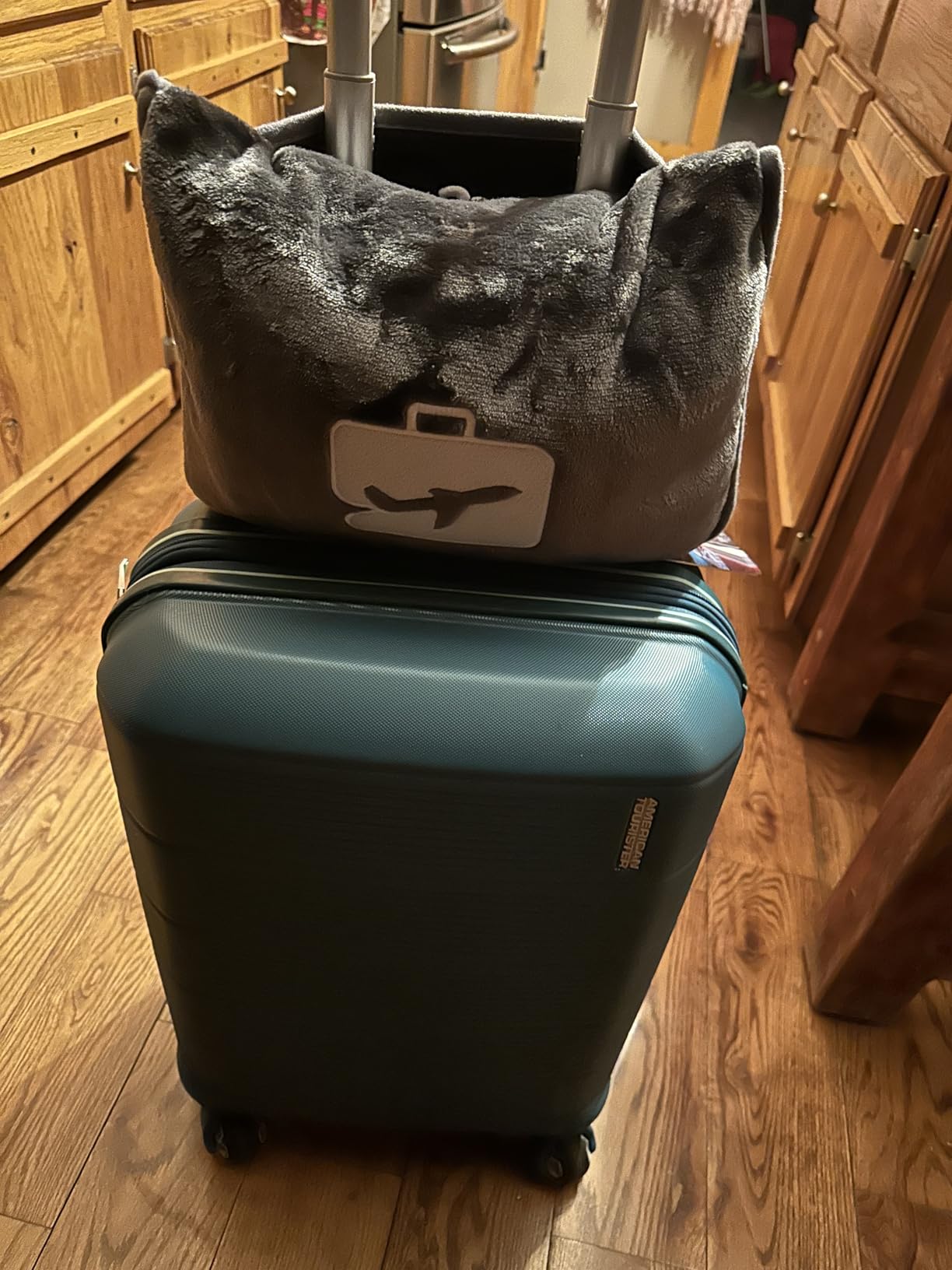
The second-in-the-box trick is the real argument for it. The carrying case is a headrest pillow, so instead of packing a blanket and a small pillow you pack one object. On a 17-hour route, that is a meaningful saving in personal-item space.
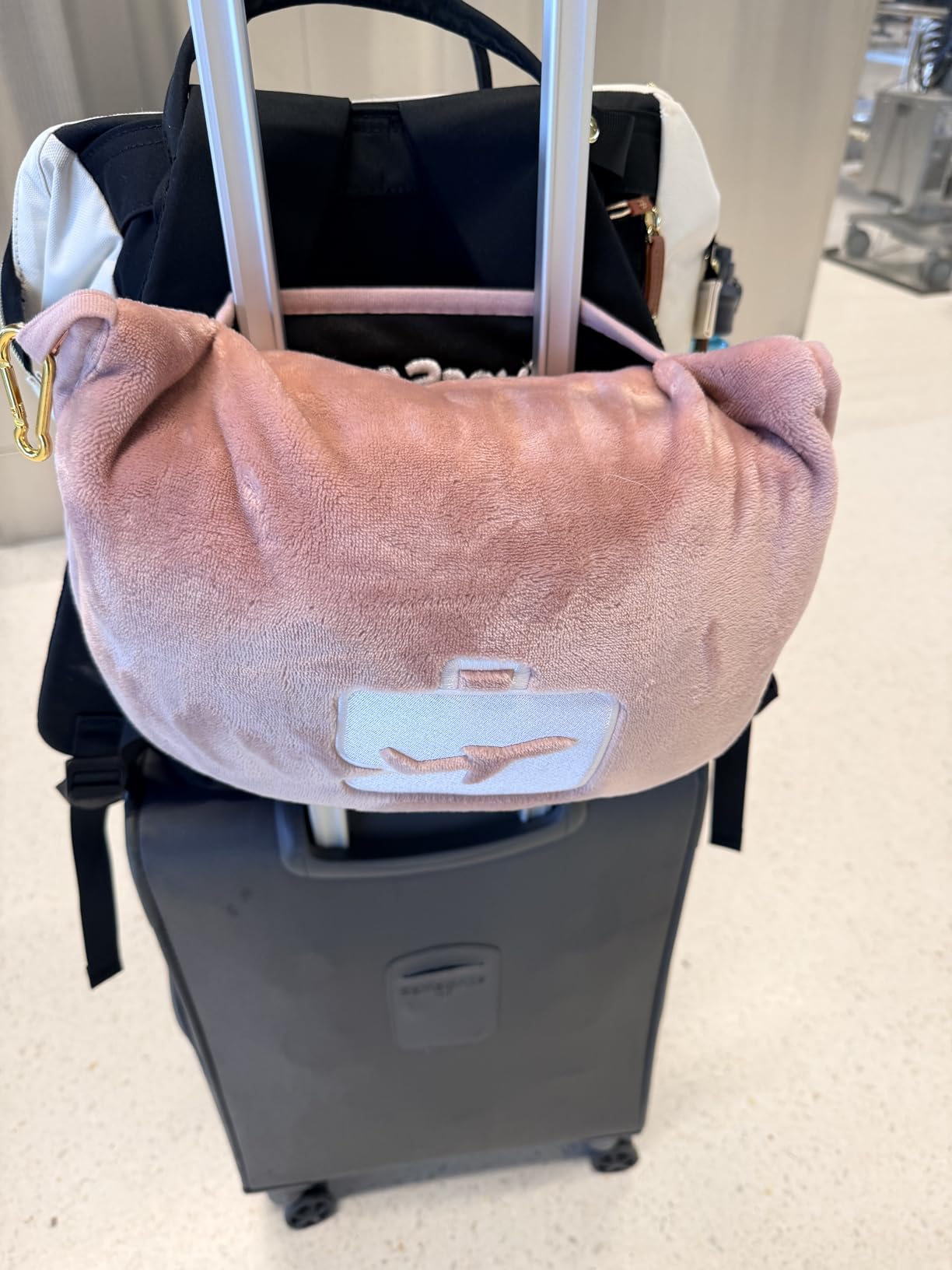
A hand luggage sleeve and an included carabiner let you clip it to a backpack or roller so it never becomes a loose item in an overhead bin. It weighs 1.2 pounds, which is the heaviest single item in this roundup but still reasonable for a cabin bag.
Care is simple: machine wash, no bleach, no iron, dry in shade. The compromises are that the case-pillow is smaller than a dedicated travel pillow, and the microplush is warm rather than lightweight, so on a summer route a light layer may serve you better.
Who this suits
Anyone who consistently gets cold in economy, overnight red-eye passengers, and families where one item has to cover two people or two jobs. The sleeve and carabiner keep it organised rather than loose.
Who should skip it
Summer routes to hot destinations, where a light layer is a better call. If you already own a neck pillow you like, the case-pillow adds bulk without adding much function for you.
How to Choose Travel Accessories for a Long Haul Flight
Start with flight length, not with a wish list. On an 8-hour sector, noise control and a sleep mask cover most of the benefit. At 12 hours, add leg support. At 17 hours or more, add warmth and power, and accept that no accessory replaces movement.
Then pick one item per problem. Sleep, noise, legs, power, warmth. Buying three pillows or two power banks is the most common self-reported packing mistake on travel forums, and it eats the personal-item allowance you may need for a jacket.
Check packability honestly. A product that works but lives in the overhead bin is a product you will leave behind on the third flight. Weight matters more than people expect: the over-ear headphones, the memory foam pillow and the blanket together can add several pounds before anything else.
Match the accessory to your cabin, not to the marketing. Active noise cancelling targets the low-frequency engine drone that fills a cabin; it does not silence the person beside you. Compression socks help leg swelling but do not address clotting risk on their own, and movement still matters.
Build the kit around what you will actually use. If you never nap in economy, drop the pillow and keep the mask. If you work on flights, the low-latency headphone mode and a power bank matter more than a blanket, and our PS Portal accessories guide covers the handheld entertainment side.
What to Skip and What Every Airline Checks
Skip bulky U-shaped foam pillows that cannot hold the head upright. The most criticised product category in this roundup is also the one most people buy first, and it is why a seat strap or a contoured memory foam shape works better.
Skip earbuds marketed as noise cancelling without active noise cancelling. Passive isolation from a pair of generic earbuds does not touch engine drone. Check for the words hybrid ANC and a microphone count, not a marketing label.
Power banks belong in your carry-on, never checked, and rules are tightening. Some carriers have begun restricting or banning them, so confirm your airline’s current policy before you pack one. Keep the terminals covered and label the pack with your name and contact details.
Liquids stay under 100ml per container in a clear bag, which rules out full-size bottles in the cabin. Anything you need in larger amounts goes in checked luggage or is bought after security. That constraint is also why a refillable bottle emptied at security beats a full-size bottle you cannot carry.
Finally, skip single-purpose gadgets. A tray table laptop stand, a dedicated footrest for a premium seat, or an organiser for one cable all consume space a multi-use item would cover. The accessories that earn their place are the ones you will reach for at least twice during the flight.
Frequently Asked Questions
What are the must-haves for long haul flights?
The must-haves fall into four groups. Noise: active noise cancelling headphones or pressure-regulating earplugs. Sleep: a contoured blackout sleep mask, plus neck support if you fall asleep sitting upright. Legs: compression socks and a footrest, combined with walking the aisle every 60 to 90 minutes. Power: a power bank and a short cable carried in your cabin bag. Add warmth on any route where you sleep, and a refillable bottle for the dry cabin air.
What are the best accessories to bring on a long flight?
Our short list is a noise cancelling headset, a 3D blackout sleep mask, graduated compression socks, a tray table foot hammock, a power bank with a built-in cable, and a microplush blanket. If you fly often, add a Bluetooth transmitter for the seat headphone jack and a memory foam pillow that suits your sleeping position. Skip duplicates in each category rather than buying two versions of the same thing.
What are the best accessories for sleeping on a plane?
For sleep, a contoured 3D sleep mask and a pair of pressure-regulating earplugs do the most work for the least space. Neck support matters only if you fall asleep sitting upright, in which case a memory foam pillow with seat straps holds the head in place rather than letting it fall forward. Active noise cancelling handles engine drone, and a warm layer prevents you waking up cold in the last two hours.
What is the best eye mask for long haul flights?
The best eye mask for a long haul flight is a contoured 3D model with deep eye cups and a raised nose bridge, because it blocks light at the nose and temples where flat masks leak. Deep cups also avoid pressing on eyelids, which matters over ten hours. Look for washable fabric, a low weight, and a shape that works for side sleepers if that is your position.
How do I survive a 15 hour flight in economy?
Download everything you need before boarding, since cabin connectivity is unreliable, and start with noise control so you can sleep at your normal time. Walk the aisle every 60 to 90 minutes and flex your ankles while seated, because socks and footrests do not replace movement. Eat normally, drink steadily, and set your watch to the destination time zone after the first meal. Expect two sleep attempts rather than one long one.
Can I bring a power bank in my carry-on?
Power banks are generally permitted in cabin baggage and must not go in checked luggage, where they can be a fire risk. Rules are tightening, and some carriers have introduced restrictions or bans, so check your airline’s current policy before packing one. Keep the terminals covered, label the pack with your name and contact details, and remove it for screening if asked.
Conclusion
Start with the four core items and add from there: the Soundcore Q20i for noise, a contoured sleep mask for light, compression socks for your legs, and a power bank in your cabin bag. Those cover the majority of long haul flight problems without overpacking your personal item.
Add a footrest for your legs, a blanket for the cold, and a Bluetooth transmitter if your seat screen has a working jack. Whatever you choose, walk the aisle every 60 to 90 minutes, and check your airline’s power bank policy before you leave home.
We test these across multi-leg itineraries rather than a single trip, and prices change constantly, so use the buttons above to see current listings for the best travel accessories for long haul flights in 2026.