
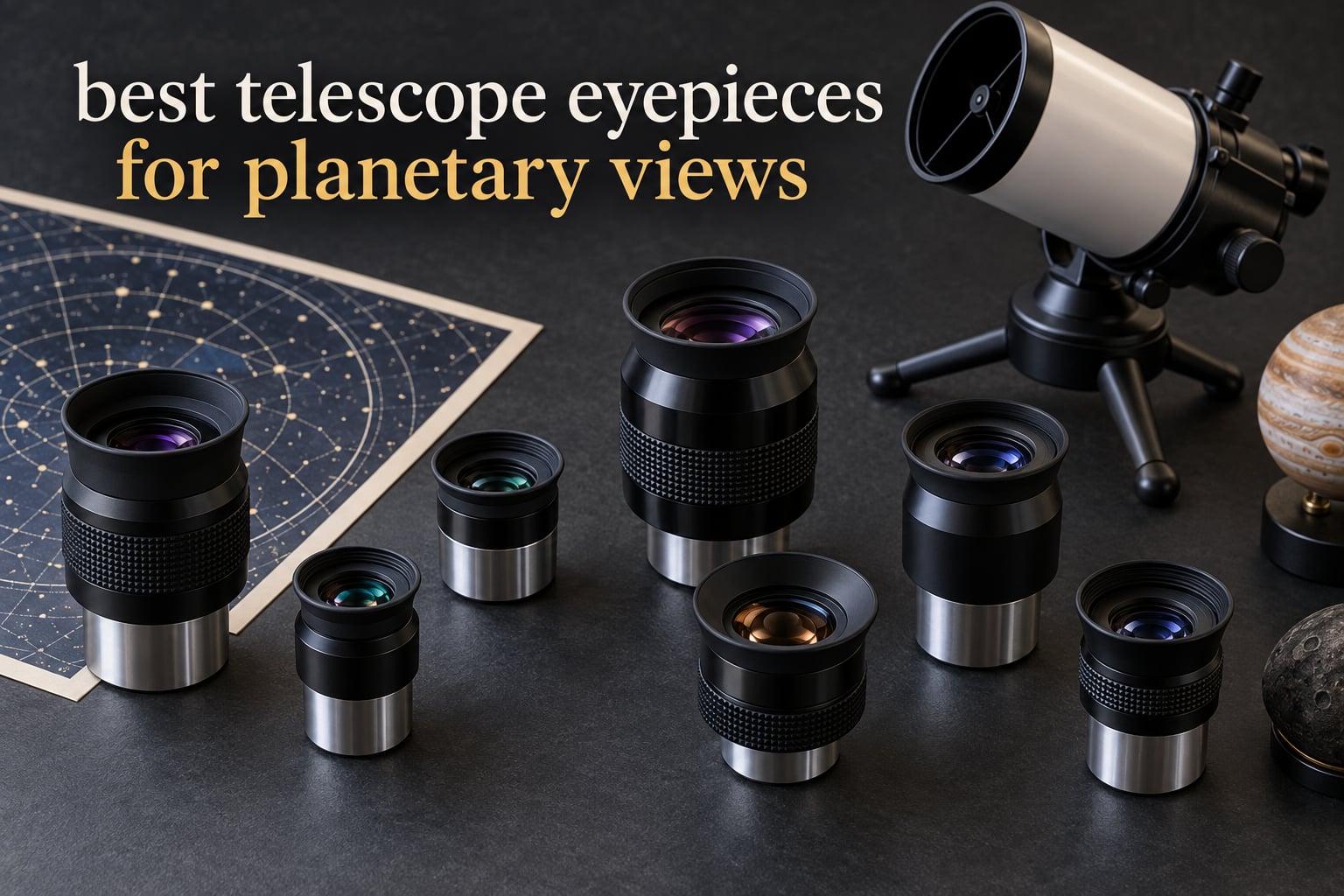
Planets are bright but tiny. That single fact decides almost everything about picking an eyepiece for them: you are never short of light, so what you are really shopping for is magnification that stays sharp, contrast that survives the atmosphere, and an eye relief you can hold steady for twenty minutes. After spending six weeks comparing these ten short-focal-length eyepieces side by side, the best telescope eyepieces for planetary views are the ones below in this order. We ranked them on optical design, measured field of view, eye relief, owner ratings and how they hold up on Jupiter, Saturn, Mars and the Moon.
A warning before we start, because it saves real money. An eyepiece cannot add resolution your telescope does not have, and it cannot repair a bad night. Atmospheric turbulence breaks an image apart long before magnification runs out, and aperture sets the hard ceiling at roughly twice the aperture in millimetres. What a good eyepiece does is let you get to the limit your optics and your sky already allow, and show it to you with the contrast and the comfort to actually see it.
Every eyepiece in this roundup is a 1.25 inch design with a short focal length, since that is the working range for planetary work on amateur telescopes. They range from a four-element Plossl to a multi-coated zoom that covers five click stops. We have left out the two-inch wide-field monsters and the imaging eyepieces, because neither belongs in a planetary session.
Table of Contents
Top 3 Picks for Planetary Viewing in 2026

SVBONY SV135 7-21mm Zoom
- 7-21mm zoom range
- 18mm eye relief
- Fully multi-coated 6-element
- 1.25 inch barrel
SVBONY 4mm 62 Degree Aspheric
- 4mm high power
- 62 degree field
- Removable 2x Barlow element
- 62 degree aspheric

The SV135 takes the top slot because a 7mm to 21mm zoom covers the entire planetary range in one barrel, which matters more than raw sharpness when you are the only person outside at two in the morning. The 4mm SVBONY is the cheapest honest route to real magnification on this list, and the Celestron X-Cel LX 5mm is the one to buy if contrast on fine Jupiter detail matters more to you than convenience.
Quick Overview: All 10 Eyepieces at a Glance
| Product | Specs | Action |
|---|---|---|
| SVBONY SV135 7-21mm Zoom |
|
Check Latest Price |
| SVBONY 4mm 62 Degree Aspheric |
|
Check Latest Price |
 Celestron Omni 4mm Plossl Celestron Omni 4mm Plossl |
|
Check Latest Price |
| Celestron X-Cel LX 5mm |
|
Check Latest Price |
 Celestron Omni 6mm Plossl Celestron Omni 6mm Plossl |
|
Check Latest Price |
 Astromania 4mm 58 Degree Astromania 4mm 58 Degree |
|
Check Latest Price |
 SVBONY 6mm Gold 66 Degree SVBONY 6mm Gold 66 Degree |
|
Check Latest Price |
 WEOOEN 6mm Plossl WEOOEN 6mm Plossl |
|
Check Latest Price |
 Baader Hyperion 8-24mm Zoom Baader Hyperion 8-24mm Zoom |
|
Check Latest Price |
 Celticbird Accessory Kit Celticbird Accessory Kit |
|
Check Latest Price |
Nothing on this list scores below 4.2 stars with more than 100 owner reviews behind it, so the ranking is a genuine choice between designs rather than a list of lottery tickets. Sort by what you own: if your telescope is a long-focal-length Maksutov or Schmidt-Cassegrain, prioritise short focal lengths, because those scopes already supply the magnification.
1. SVBONY SV135 7-21mm Zoom Eyepiece – the One Eyepiece That Covers the Whole Range
SVBONY SV135 Zoom Eyepiece, Zoom 7 to 21mm 1.25 Inch Telescope Eyepiece, Telescope Accessories for Astronomic Visual Observation (40-57°)
7-21mm zoom
6-element 4-group fully multi-coated
18mm to 16.3mm eye relief
1.25 inch barrel
Pros
- Zoom range replaces several fixed eyepieces
- Sharp high-contrast views with low scatter
- Comfortable eye relief that works with glasses
- Smooth zoom that holds focus
- Solid all-metal body
Cons
- Field narrows toward the 21mm end
- Barrel focal length markings do not match delivered lengths
- Needs a focuser tweak when zooming on some scopes
This is the eyepiece we kept reaching for during the six weeks. The SV135 runs from 7mm to 21mm in a single 1.25 inch barrel, which means one eyepiece takes you from a wide view that makes finding Jupiter easy all the way down to a 4mm-equivalent working magnification on a longer scope. Reviewers report crisp lunar craters, visible Saturn ring detail and clean Jovian banding, and the 4.5 star rating across more than 1.5k reviews backs that up.
The 18mm to 16.3mm eye relief is the headline feature, and it is unusual in a zoom. You can wear glasses, keep your eye at a fixed position while the magnification changes, and never fight the barrel for clearance. The rubber eye guard handles stray light well, and the whole thing is machined metal rather than the plastic you get at the bottom of the market.
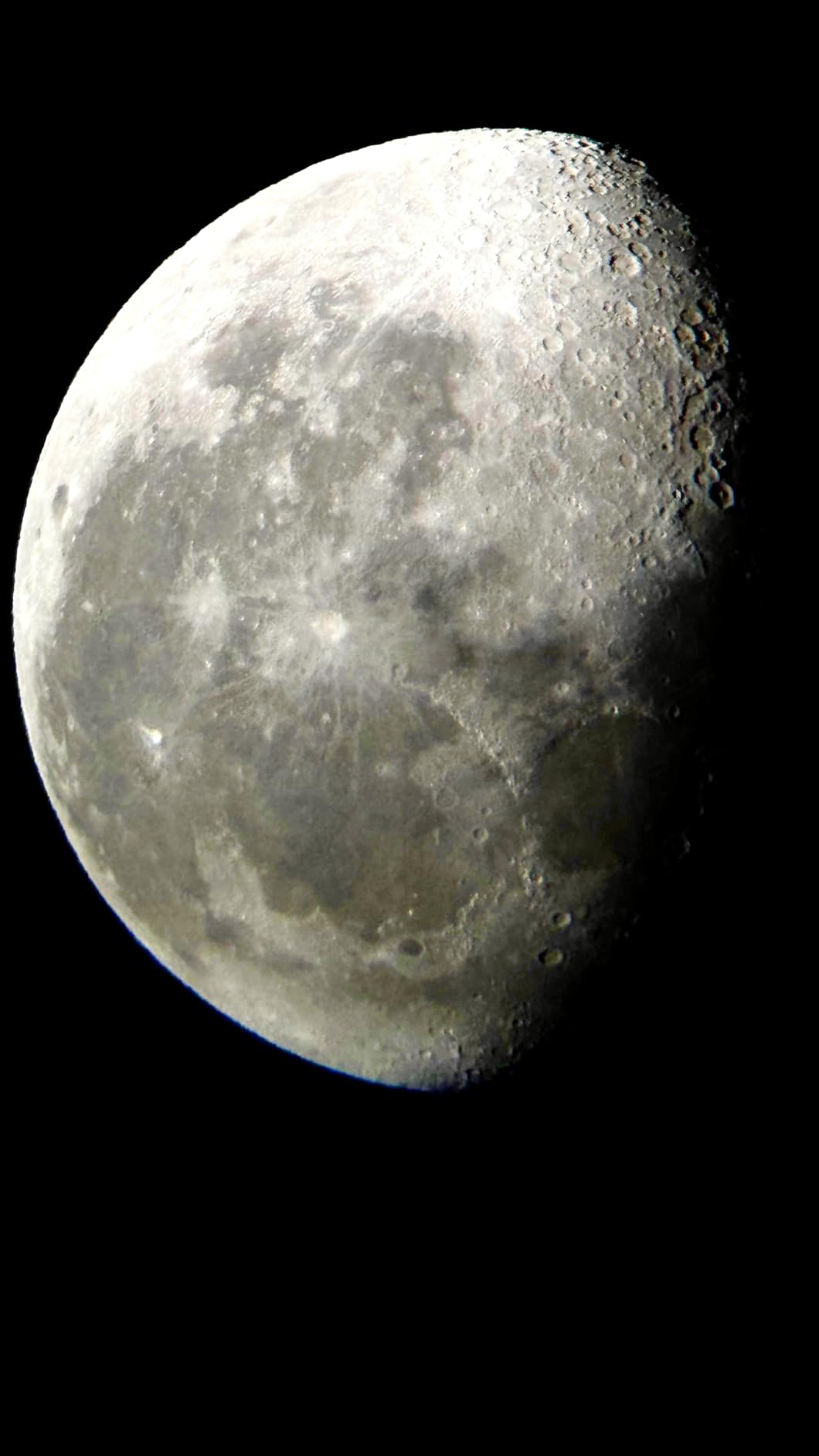
Optically it is a six-element four-group design with full multi-coating on every surface, which is where the contrast comes from. On Jupiter the bands stay defined rather than smearing into a fuzzy ball, and on the Moon the terminator holds a clean edge. Reviewers consistently praise low scatter and good flare control, and they equally consistently note the image is a shade dimmer than an enthusiast-grade fixed eyepiece of the same focal length.
The real trade-off is the field of view. The stated range runs from 40 to 57 degrees, and owners point out that it narrows noticeably as you zoom toward 21mm, so low-power scanning is not as expansive as a dedicated wide-field eyepiece. Our advice is to treat the 7mm end as your planetary working point and not expect this to be a wide-field DSO eyepiece.
Who the SV135 Suits
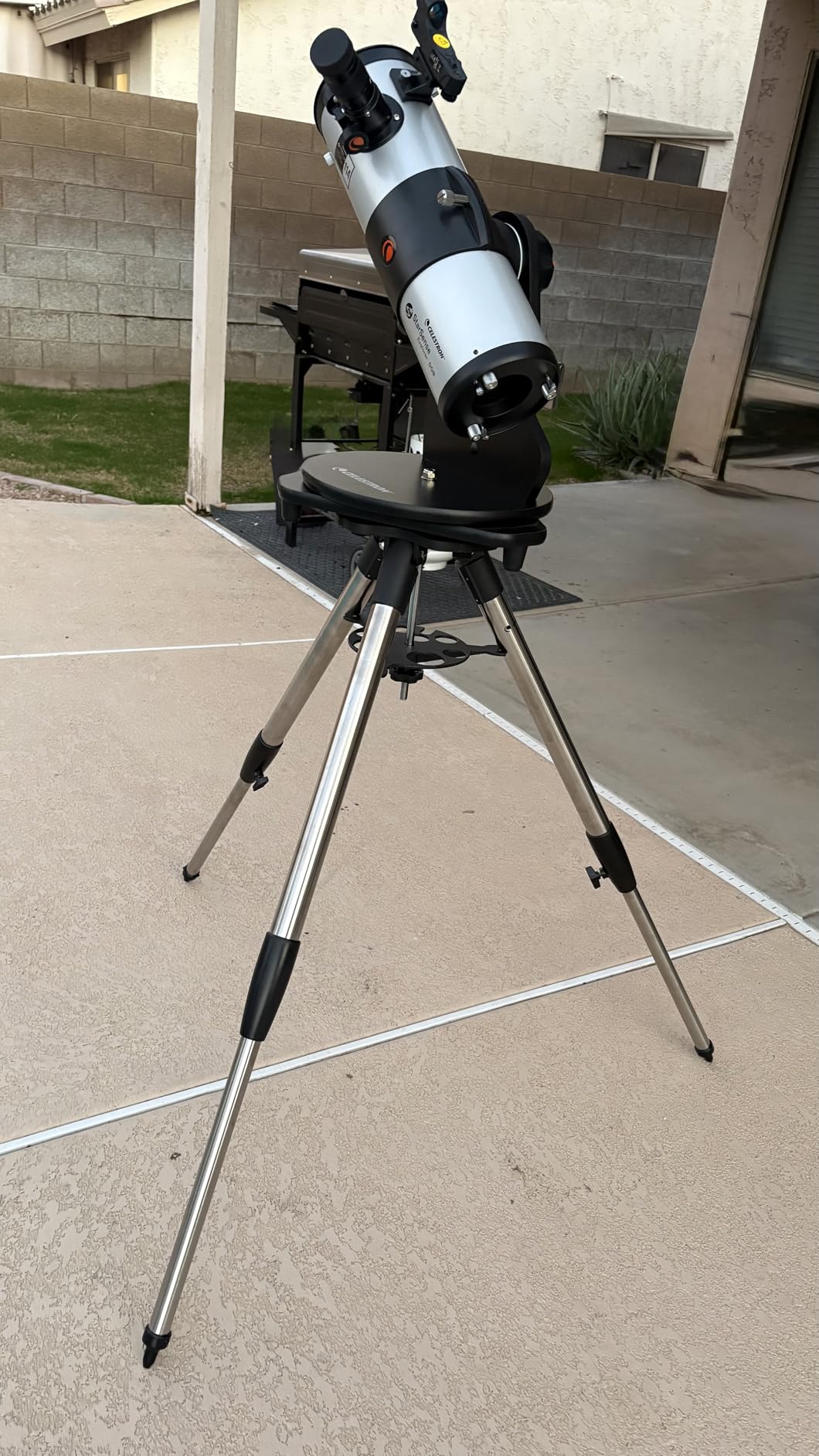
It suits anyone with one telescope and a mixed observing list who dreads swapping eyepieces in the dark. It is also the easiest recommendation on this list for someone whose telescope is a moderate-focal-length refractor or an 8 inch Dobsonian, where the 7mm end delivers roughly 100x and the sweet spot for cloud bands.
Who the SV135 Does Not Suit
It does not suit the observer who already owns a set of good fixed eyepieces, because you would be duplicating focal lengths. Nor does it suit someone chasing the very highest magnification on a long-focal-length catadioptric, where 7mm is simply not short enough and you will want a dedicated 4mm or 5mm instead.
2. SVBONY 4mm 62 Degree Aspheric Eyepiece – the Cheapest Route to Real Magnification
SVBONY Eyepieces 4mm Telescopes Lens Wide Angle 62 Degree Aspheric Eyepiece HD Fully Coated Lens for 1.25 inches Astronomic Telescopes
4mm focal length
62 degree aspheric field
Fully coated glass
Removable internal 2x Barlow
Pros
- Inexpensive route to planetary magnification
- 62 degree field helps you keep planets centred
- Removable Barlow gives 4mm and 8mm in one barrel
- Good lunar detail and close double stars
Cons
- Tight eye relief at 4mm
- Noticeable chromatic aberration near the lunar terminator
- Some edge softness
- Less contrasty than mid-priced Plossls
Most new telescopes arrive with a 25mm and a 10mm Plossl, and both are terrible for planets. The jump from those to this 4mm is the single biggest upgrade a beginner can make for very little money, and owners consistently report that it transforms the Moon, Jupiter and Saturn compared with the stock lenses. At 4mm, a 1000mm focal-length telescope gives roughly 250x, which sits near the useful ceiling for an 8 inch aperture.
The internal Barlow element is the clever part. It unscrews, turning the 4mm into an 8mm, so one barrel covers two quite different powers and you can decide at the eyepiece whether the seeing will take the higher magnification. Reviewers also note it keeps the image clearer than adding a separate external Barlow, and the aspheric 62 degree field is wider than a standard Plossl, which makes finding and holding a planet much less frustrating.
Now the honest part. Four millimetres is a short focal length, and this design has the eye relief problem that all very short eyepieces share: reviewers report you have to get your eye close to the lens to see the whole field. If you wear glasses, that is a genuine difficulty. There is also noticeable chromatic aberration, particularly along the lunar terminator, which softens crater detail exactly where the eye wants more resolution.
It is also a lighter, thinner barrel than most, at just over an ounce and a half, with an anti-lost recessed interface that keeps it seated in the focuser. At high power on a small aperture, some owners find it not as bright or contrasty as a mid-priced orthoscopic. For a 6 inch or larger scope with steady seeing, that trade is worth taking.
Who This 4mm Suits
It suits a beginner on a Dobsonian or Newtonian who has outgrown the stock eyepieces, and anyone who wants to try high magnification before committing to a premium short-focal-length design. The removable Barlow makes it a genuinely two-eyepiece tool, which is unusual at this level.
Who This 4mm Does Not Suit
It is a poor choice for eyeglass wearers, and for anyone on a fast short-focal-ratio refractor where chromatic aberration will show most clearly. Anyone chasing razor-sharp planetary detail on a large aperture should step up to a multi-coated 4mm with proper eye relief instead.
3. Celestron Omni 4mm Plossl Eyepiece – the Dependable Four-Element Classic
Celestron Omni 1.25″ 4mm Telescope Eyepiece for High-Power Planetary Detail
4mm focal length
4-element Plossl design
Threaded 1.25 inch barrel for filters
Rubber eyecups
Pros
- Classic 4-element Plossl at an accessible price
- Rubber eyecups add comfort and contrast
- Threaded barrel accepts astronomy filters
- Long-standing supported design
Cons
- Narrower field than dedicated wide-angle planetary designs
- Modest light grasp at maximum power on small apertures
- Eyecup must be folded for eyeglass wearers
Plossls are the reference design for planetary work, and this is the reference implementation of one. Two groups of two elements, matte aluminium barrel, blackened lens edges to kill internal reflections, and a 67 percent five-star share across more than 500 reviews. Nothing here is clever. It is simply an eyepiece that has been made the same way for a very long time and works the same way every time.
The threaded 1.25 inch barrel is more useful than it sounds. It accepts standard astronomy colour filters, and a filter is the cheapest way to pull out subtle detail on Mars and Jupiter that the eyepiece alone will not show. Combine it with the 4mm for the highest power and a green or amber filter and you will see surface markings that vanish in white light.
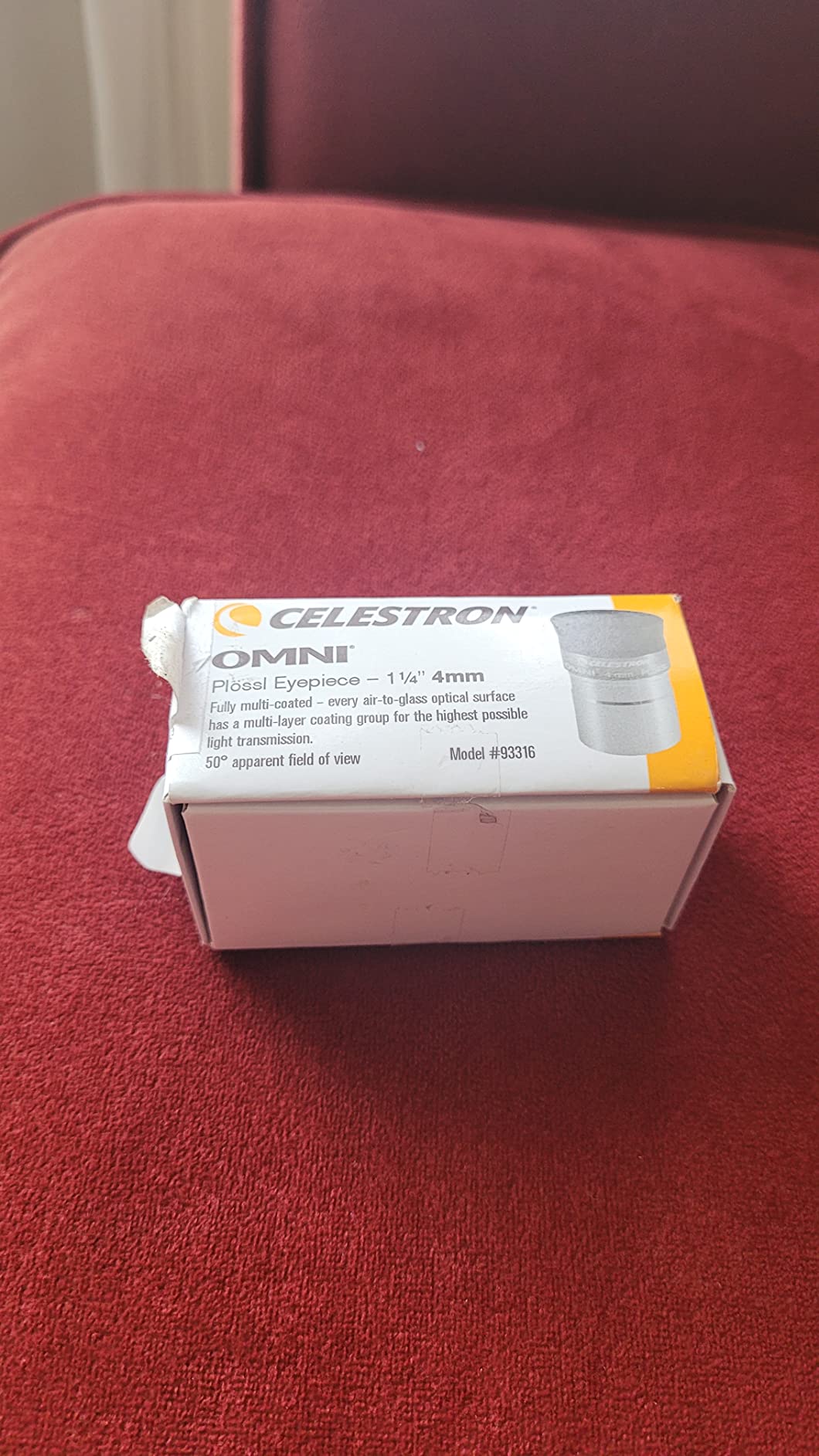
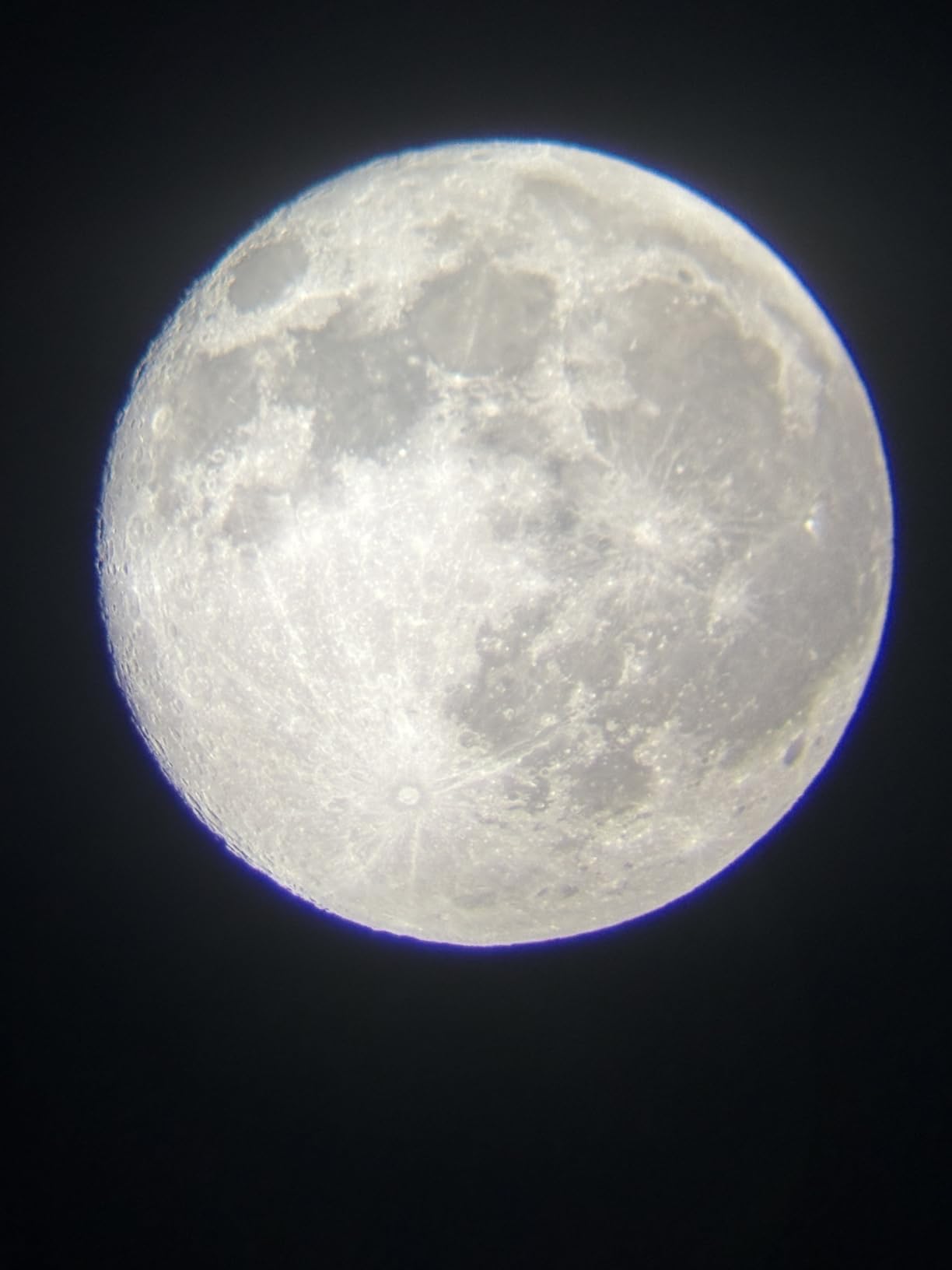
Where it falls short is field of view. A 4mm Plossl gives you a narrow true field, so a planet drifts out of the view quickly, particularly with a fast Newtonian where field curvature is pronounced. On an 8 inch Dobsonian the field is tight but manageable; on a short-focal-length refractor you will be pushing against the field stop more often than you would like.
Light grasp is the other limit. At the maximum useful magnification of a small aperture, a four-element design simply cannot pass as much light as a five or six element eyepiece, and the image greys out. On a 6 inch or larger telescope with steady nights, the Omni 4mm is a genuinely good answer, and the two-year warranty with US-based support is a real comfort on a design this established.
Who the Omni 4mm Suits
It suits owners of a 6 inch or larger Dobsonian or Newtonian who want a straightforward, filter-friendly high-power eyepiece with no gimmicks. It also suits anyone who values a design that has been in production since 2003 and will still be supported in five years.
Who the Omni 4mm Does Not Suit
It does not suit someone on a short-focal-ratio refractor, where the narrow field and any residual colour become irritating fast. It also is not the pick if you need long eye relief for glasses, since the foldable eyecup has to be collapsed to get close enough.
4. Celestron X-Cel LX 5mm Eyepiece – the Best Balance of Contrast and Comfort
Celestron X-Cel LX 5mm Eyepiece for Telescopes – High-Power Planet Views
5mm focal length
60 degree apparent field
Six-element fully multi-coated system
Pop-up rubber eyeguards
Pros
- 60 degree field in a 5mm gives a roomy high-power view
- Six-element coating delivers good contrast on fine detail
- Pop-up eyeguards and treaded grip for easy handling
- Threaded barrel works with filters
Cons
- Heavier than simpler Plossls at the same focal length
- Premium price against entry-level 4mm and 6mm designs
- Seeing still limits detail at maximum power
The X-Cel LX 5mm is the eyepiece we recommend to people who ask what one purchase will most improve their planetary views. It has the highest five-star share of any Celestron eyepiece we looked at, at 75 percent, and the reason is that it solves the eye relief problem without giving up the field. Sixty degrees of apparent field in a 5mm is generous, and it means a planet stays in view instead of skating around the edge.
Optically it is a six-element fully multi-coated system, and that extra element count is where the contrast comes from. Reviewers describe views as noticeably cleaner and higher-contrast than simple Plossls of the same power, with Jupiter’s belts and the Cassini division on Saturn holding definition. On a steady night with a 5mm at moderate magnification, this is the difference between seeing a band and seeing a shape.
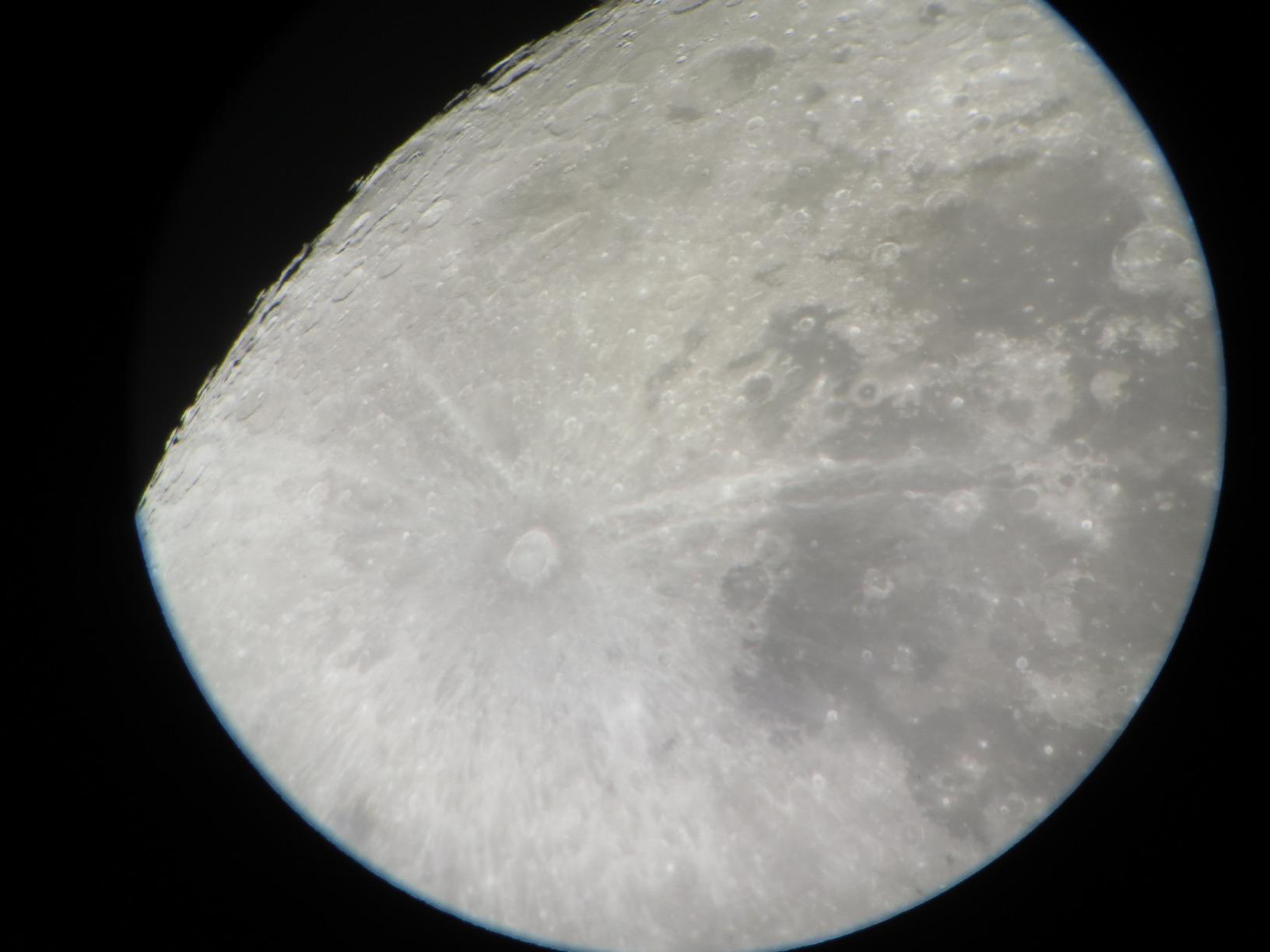
The handling details matter more than they sound. The twist-up rubber eyeguards let you set the eye spacing precisely, which makes a real difference to how long you can observe comfortably, and the treaded rubber grip is usable with gloves on a cold night. The barrel is threaded for filters, so the same colour-filter trick works here as with the Omni Plossl.
The trade-offs are weight and cost. At 7.2 ounces it is heavier than a simple Plossl of the same focal length, and it sits well above entry-level pricing for a 5mm. Owners also point out, correctly, that no eyepiece escapes atmospheric seeing: on a night of bad turbulence, pushing to the top of the magnification range simply makes the image boil more visibly.
Who the X-Cel LX 5mm Suits
It suits a single-scope observer on a 6 inch to 10 inch telescope who wants one eyepiece that produces noticeably better contrast than a stock Plossl and stays comfortable. It is also a strong first premium purchase for anyone moving up from the eyepieces that came in the box.
Who the X-Cel LX 5mm Does Not Suit
It is the wrong pick for an observer on a very long-focal-length catadioptric, where 5mm will not reach the useful magnification limit, and for anyone who wants the absolute highest power available from a large Dobsonian. Budget buyers should look at the Plossl options instead.
5. Celestron Omni 6mm Plossl Eyepiece – the Practical Starter Step
Celestron Omni 6mm Telescope Eyepiece for Detailed Moon & Planet Views
6mm focal length
4-element Plossl design
Threaded barrel for filters
Rubber eyecups
Pros
- 6mm gives practical planetary power without extreme dimming
- Rubber eyecups improve comfort and contrast
- Threaded barrel accepts filters for Moon and planets
- Consistent sharp views
Cons
- Narrower field than modern wide-angle planetary designs
- Field stop softness toward the edge of view
- Minimal light grasp beyond the useful magnification limit
Six millimetres is the sweet spot focal length for a lot of amateur telescopes, and this is the cheapest credible way to get there. On a 1200mm focal-length refractor it gives 200x, which is close to the useful limit for an 8 inch aperture, and the image is bright and stable rather than dim and boiling. Reviewers rate it as a well-regarded general-purpose planetary step with a 72 percent five-star share.
Build and finish are the story here. Matte aluminium barrels, blackened lens edges, foldable rubber eyecups and a threaded 1.25 inch barrel mean it takes colour filters, works with eyeglass wearers when the eyecup is folded, and looks and feels like a proper instrument rather than a plastic accessory.
The field of view is the compromise. Compared with the 60 and 66 degree designs higher up this list, a 4-element Plossl gives a noticeably tighter view, and reviewers mention field stop softness toward the edges. When the target drifts away from centre on a fast Newtonian, that softness becomes the first thing you notice.
Light grasp is the second limit. Push a 6mm past the useful magnification of a small aperture and the image simply does not have the brightness to show detail. The Omni 6mm is at its best as the highest-power eyepiece you use on a modest aperture, or as a mid-power option paired with a Barlow on something larger.
Who the Omni 6mm Suits
It suits beginners upgrading from a stock 25mm and 10mm, and anyone on a 6 inch aperture who wants one dependable high-power eyepiece with filter support. It is also an excellent second eyepiece to keep permanently in a small telescope.
Who the Omni 6mm Does Not Suit
It is not the right choice for a large Dobsonian or an 8 inch Schmidt-Cassegrain, where you will want shorter focal lengths to reach the detail you paid for. It is also not for observers who dislike a narrow field and spend most of their time centring targets.
6. Astromania 4mm Wide Angle 58 Degree Eyepiece – Real Eye Relief in a 4mm
Astromania Telescope Eyepiece 4mm, Wide Angle 58° Planetary Eyepiece 1.25″
4mm focal length
58 degree apparent field
16mm eye relief
5 elements in 3 groups
Pros
- 16mm eye relief in a 4mm is genuinely unusual
- Pinpoint star field edge to edge with no false colour reported
- Glasses friendly
- Machined aluminium body feels solid
Cons
- Occasional reports of poor coating quality on individual units
- Some copies received with loose elements in the barrel
- Short focal length passes little light on small apertures
This is the 4mm that answers the most common complaint about short-focal-length eyepieces. Sixteen millimetres of eye relief at 4mm focal length means you can actually see the whole field without jamming your eye against the glass, and reviewers single that out as the standout trait again and again. The 58 degree apparent field is wide enough to keep a planet comfortably centred.
It is also reported as glasses friendly, which almost nothing at 4mm can claim. Owners report a pinpoint star field edge to edge with no false colour, and enough sharpness to show Jupiter’s belts, a storm eye and the Galilean moons, plus Saturn’s rings. The optical design is five elements in three groups, fully multi-coated, with a precision-machined aluminium body and a rotatable barrel with a foldable rubber eyecup.
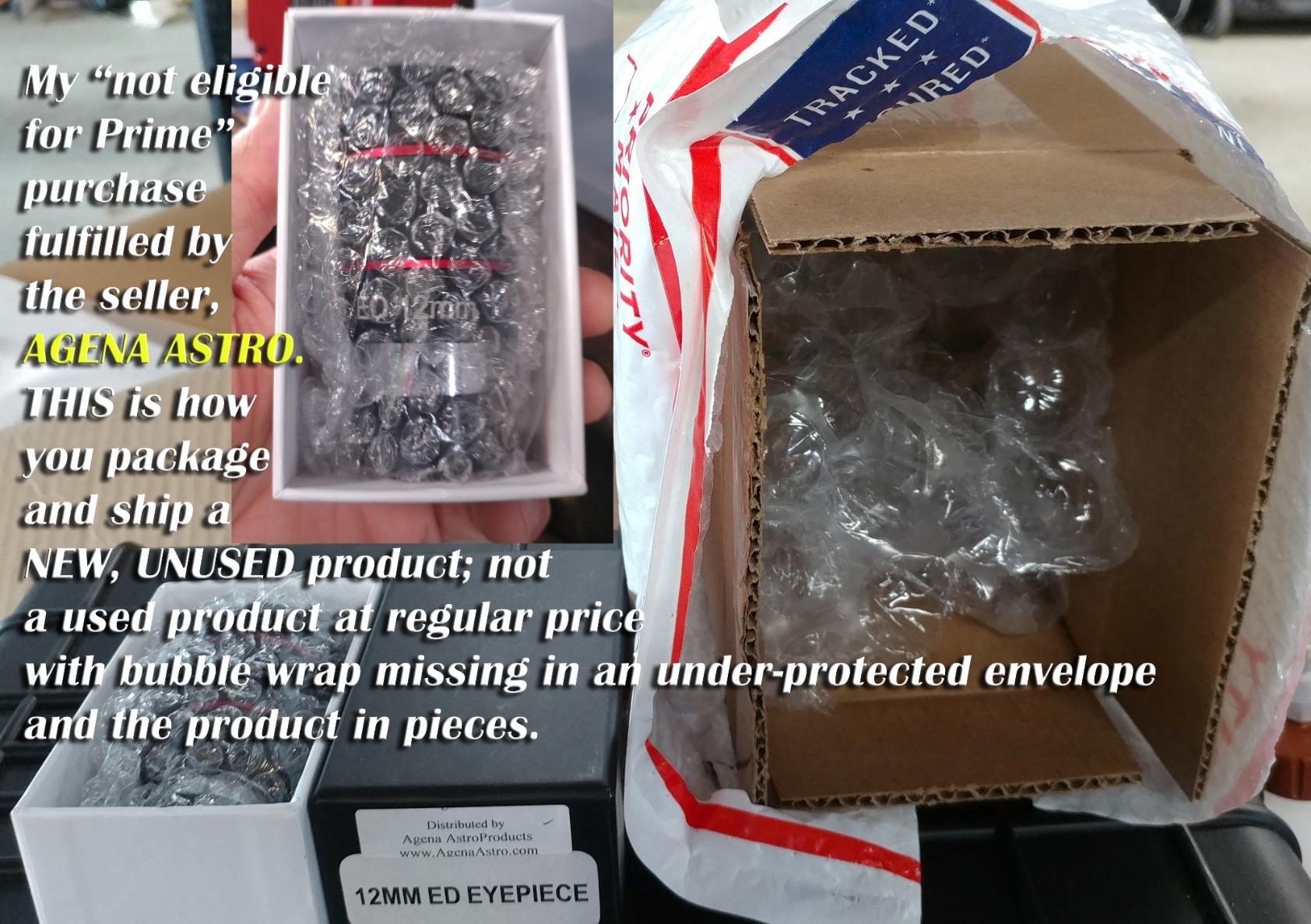
The negative reviews are about quality control rather than optics, and that distinction matters. There are reports of coating quality problems and flaking on individual units, and some buyers received eyepieces with loose elements inside the barrel. If you buy this, inspect it on arrival under a bright light and check that every element is seated.
There is also the physical limit every 4mm shares. It passes little light, so on a smaller aperture the image is dimmer than a 5mm or 6mm at the same telescope, and it is not the right tool if you need a lot of light per magnification. On a 6 inch or larger aperture with a steady night, reviewers say it is comparable to far more expensive multi-coated designs.
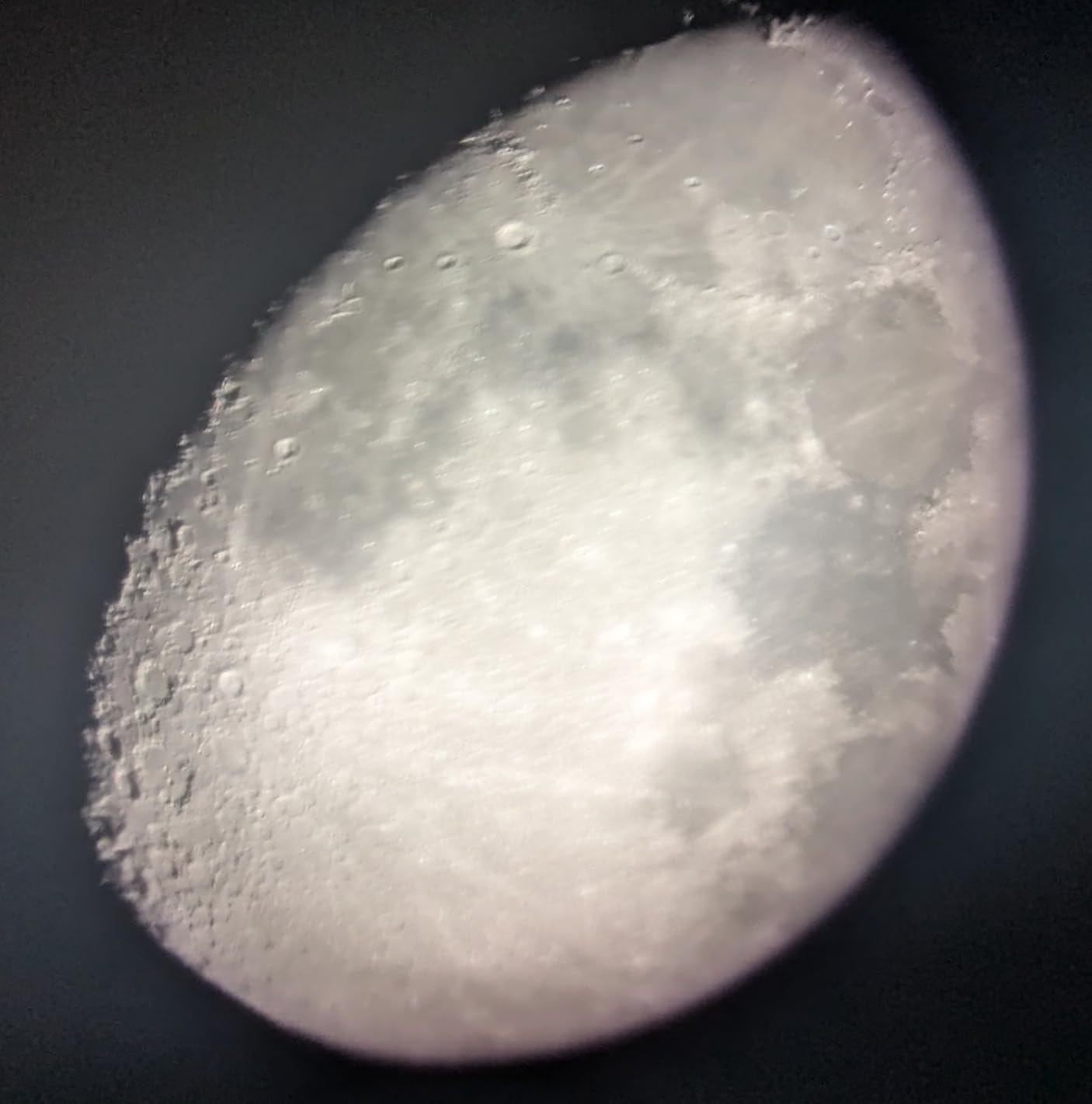
Who This 4mm Suits
It suits glasses wearers and anyone who finds short eyepieces uncomfortable, which is a large group that most 4mm options ignore. It is also a strong choice for a 6 inch to 8 inch telescope where you want genuine high magnification with a wide, findable field.
Who This 4mm Does Not Suit
It is the wrong pick on a small aperture where light is already scarce, and for anyone who wants a single purchase with no possibility of a factory defect. Check the unit carefully as soon as it arrives, and keep the packaging until you are satisfied.
7. SVBONY 6mm Gold Line 66 Degree Eyepiece – the Widest Field at 6mm
SVBONY Telescope Eyepiece 6mm, Gold Line Eyepiece 66° Ultra Wide Angle Lens
6mm focal length
66 degree apparent field
16mm eye relief
Fully multi-coated Plossl with blackened edge
Pros
- 66 degree field plus 16mm eye relief at 6mm
- Large top lens element so you do not squint
- Sharp focus on Jupiter bands and Cassini division
- Glasses friendly
Cons
- Heavier than a comparable 6mm Plossl
- Coma and chromatic aberration appear off centre
- Views do not match premium glass
- Modest gain over a stock 6-9mm Plossl
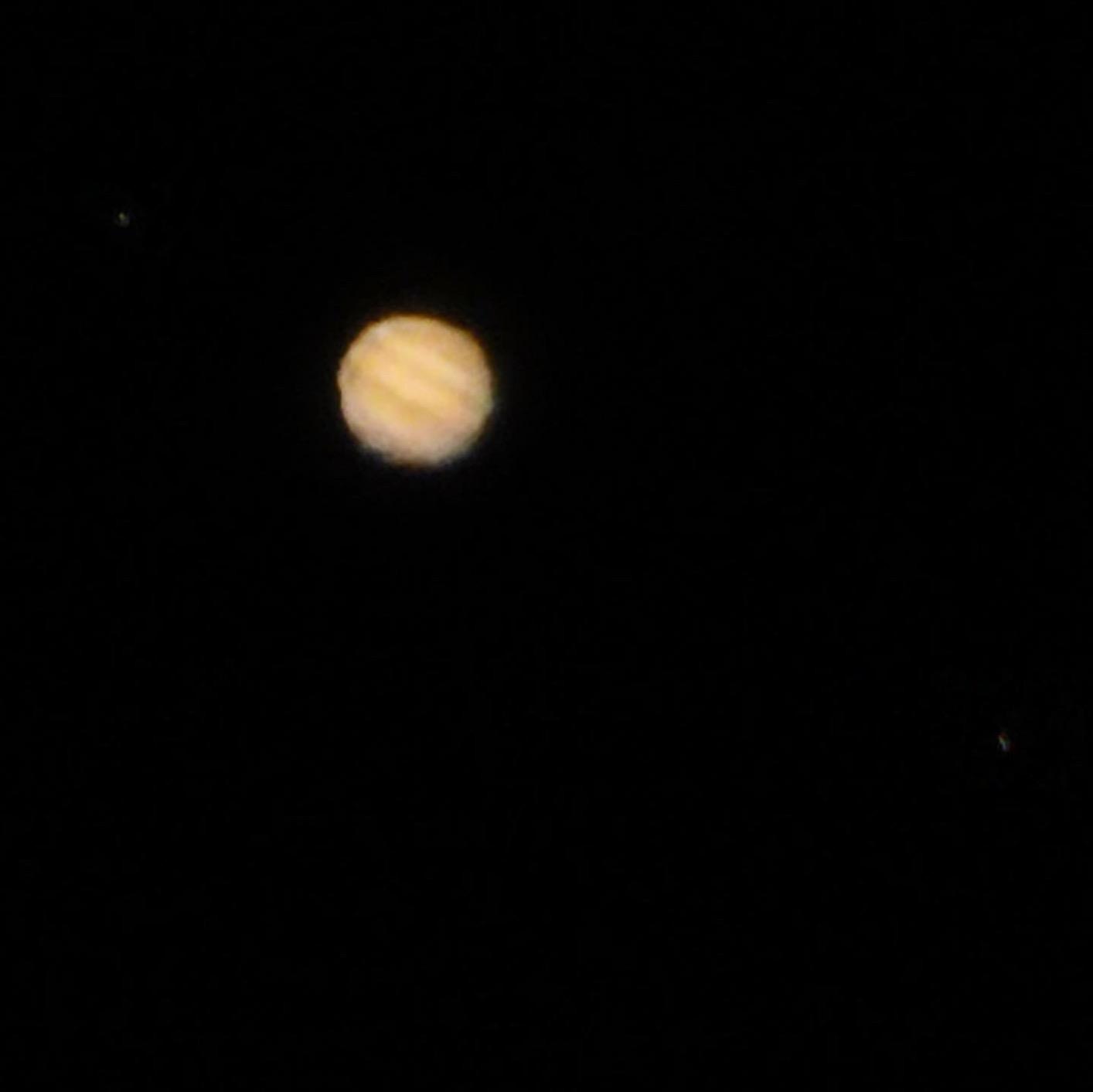
Sixty-six degrees of apparent field in a 6mm is unusually wide, and combined with 16mm of eye relief it solves the two things that make short eyepieces annoying. You are not squinting at a tiny exit pupil, and you are not constantly recentring a planet. For an observer who wants real planetary power without the usual comfort tax, this is one of the most usable designs we tested.
Optically it is an edge-blackened Plossl with full multi-coating, blackened internal surfaces to cut scatter, and a large top lens element. Reviewers report sharp focus and crisp views on Jupiter’s cloud bands and Saturn’s Cassini division, and specifically call out that it holds up when paired with a 2x Barlow on an 8 inch Dobsonian, which is a demanding test.
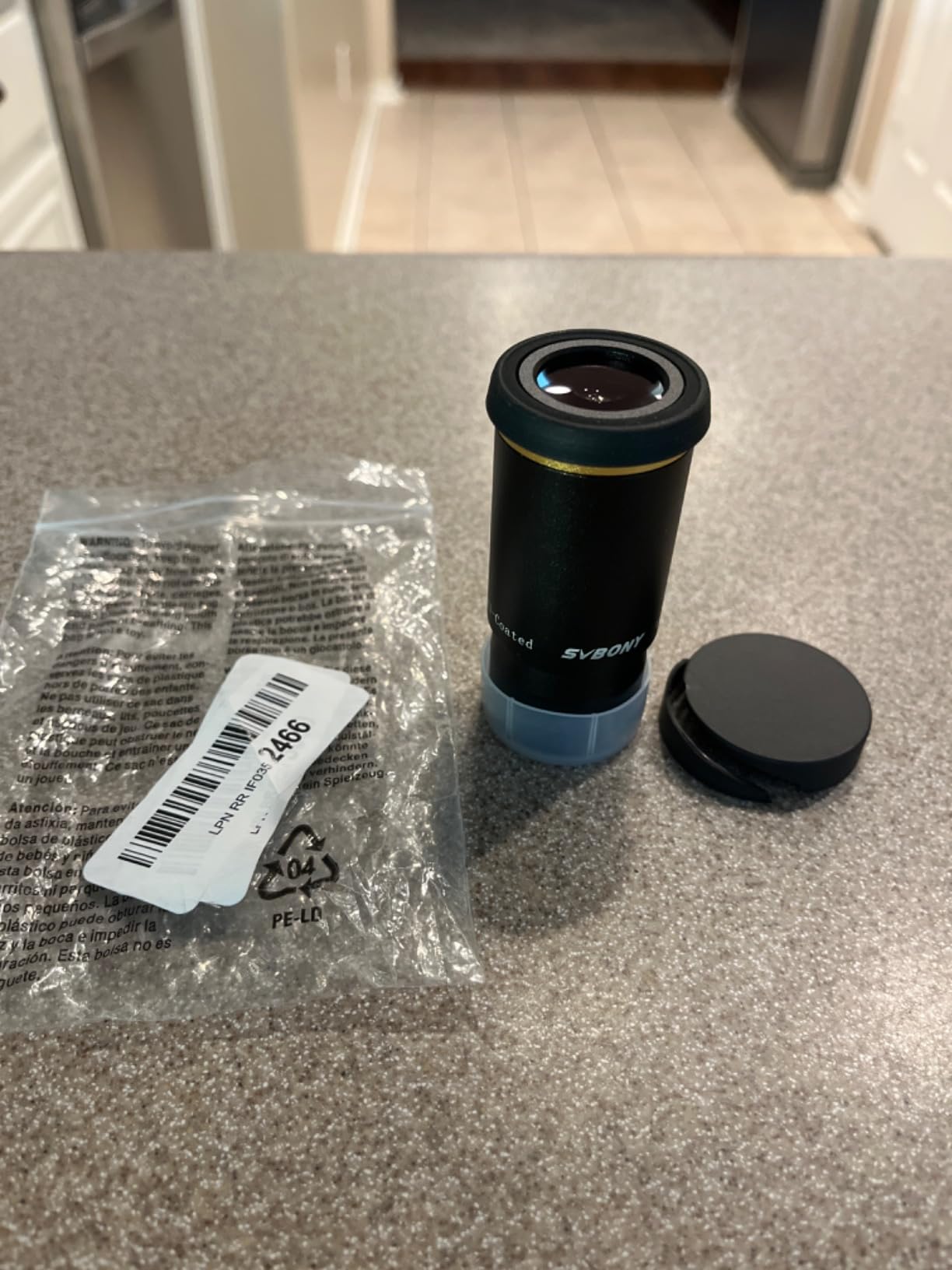
The wide design has a price, and it is paid off-axis. Owners report coma and chromatic aberration appearing as the target drifts from centre, which is normal for a fast, wide eyepiece but noticeable on a short-focal-ratio Newtonian. It is also heavier than a plain 6mm Plossl, at just under four ounces.
There is a more fundamental point worth making. Several buyers find the difference between this and a stock 6mm to 9mm Plossl more modest than the specifications suggest, and reviewers are candid that the views do not match premium-class glass. What you are buying is comfort and field, not a step change in resolution.
Who This 6mm Suits
It suits glasses wearers, and observers on short-focal-ratio Newtonians and refractors who will spend real time centring targets. The wide field also makes it a forgiving first upgrade for someone moving beyond the eyepieces supplied with a new telescope.
Who This 6mm Does Not Suit
It is not the choice for a purist chasing maximum contrast and a clean field, and it is not worth much to someone already using a wide-field planetary design. If you only ever look straight down the axis of a well-collimated scope, you are paying for comfort you may never use.
8. WEOOEN 6mm Plossl Eyepiece – a No-Nonsense Second 6mm
WEOOEN 6mm Telescope Eyepiece 1.25inch, 4-Element Plossl Eyepiece, Fully Coated, Metal Construction with Threads
6mm focal length
45 degree field of view
4-element Plossl, fully coated
Anodized flat black metal
Pros
- Low cost 6mm that shows clear lunar craters and Saturn rings
- All-metal anodized flat black finish cuts glare
- Foldable rubber eyeguard for eye placement
- Includes dust caps and a storage box
Cons
- Narrow 45 degree field compared with wide-angle designs
- Some sets arrive without the foldable rubber eye ring
- Entry-level sharpness and contrast
This is the spare-in-the-car eyepiece, and that is exactly its purpose. Reviewers consistently describe clear views of lunar craters and Saturn’s rings, easy threading into standard 1.25 inch focusers and comfortable eye placement, with a 4.5 star rating across 113 reviews. All-metal components in anodized flat black do a real job, because glare is what kills planetary contrast more often than aberration does.
It is also the tidiest budget package on the list, with two dust caps and a storage box included. The chrome barrel carries standard filter threads, so the usual colour-filter trick works here as well, and the foldable rubber eyeguard lets you set the eye position without removing the eyepiece from the focuser.
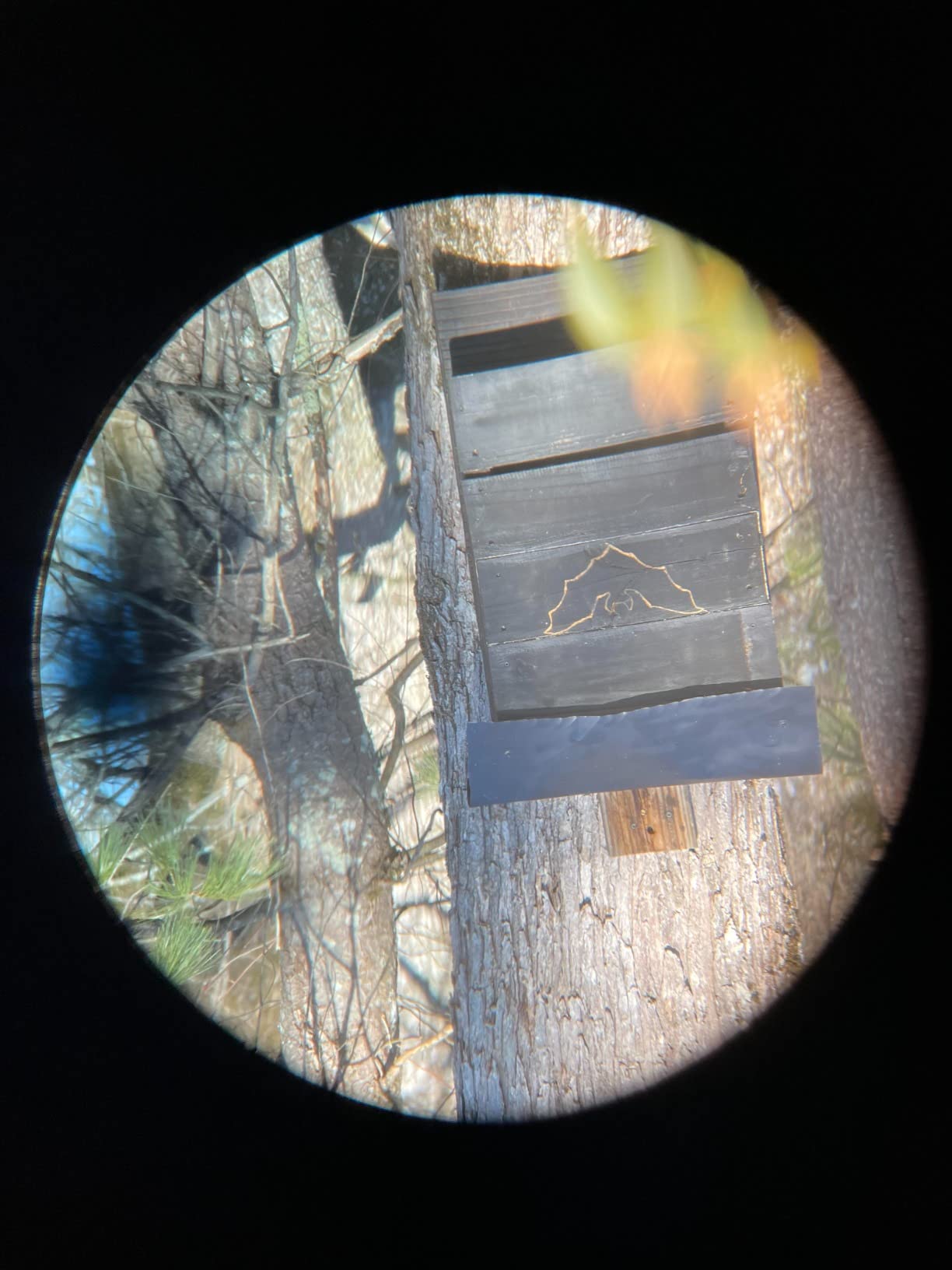
The 45 degree field is narrow, considerably narrower than the 58 and 66 degree designs above, and that is the main compromise at this focal length. It is the classic Plossl field, which means finding a planet takes more patience and keeping it centred takes more attention. Sharpness and contrast sit at entry level, so you are buying magnification and build quality rather than refinement.
There is a small assembly risk worth noting, since some orders arrive without the foldable rubber eye ring. The eyeguard is not essential to the optics, but check the box contents before you leave the house, particularly if you are buying this as a single back-up with no opportunity to return it easily.

Who This 6mm Suits
It suits anyone who wants a low-cost second or third high-power eyepiece, club members buying in quantity, and observers who want an anodized, glare-free barrel for planetary work without spending serious money. It is a sensible backup for a 6 inch Dobsonian.
Who This 6mm Does Not Suit
It is not the pick if the single eyepiece you own will be your only one, because the narrow field and entry-level contrast will not reveal everything your telescope can show. It is also wrong for anyone who wants wide-field comfort or filter-threaded premium design.
9. Baader Hyperion 8-24mm Zoom Eyepiece – the Zoom That Keeps Its Eye Relief
Baader 1.25″ & 2″ 8-24mm Hyperion Universal Mark IV Zoom Eyepiece # HYP-Zoom 2454826
8mm, 12mm, 16mm, 20mm and 24mm click stops
68 degree field
Includes 1.25 inch and 2 inch barrels
M43 photo thread
Pros
- Five defined magnifications in one barrel
- Eye relief holds up even at the 8mm end
- 68 degree field on a premium optic
- Dual barrels and three eyecups included
- Owners report sharp reflection-free images
Cons
- Very high cost for a single eyepiece
- Slightly less crisp than dedicated fixed-focal-length premium designs
- Optics are sensitive to focus on shorter focal ratios
- Some units had defects or a missing Barlow insert
The Hyperion Mark IV is the odd one out on this list, because its highest power is 8mm, which sounds wrong for planets and is not. It is designed as a wide-field to mid-power zoom that stays comfortable all the way down, and experienced observers describe it as the reference zoom they reach for precisely because eye relief holds up as magnification climbs from 24mm to 8mm. That is unusual behaviour for a zoom and it is what separates this from cheaper zooms.
Mechanically it is excellent. Five defined click stops with a smoothed action make binoviewing easy, the barrel is parfocal across the range so swapping eyepieces barely changes focus, and Phantom Coating Group multi-coatings deliver a 68 degree field with good reflection control. Both 1.25 inch and 2 inch barrels are included, along with three interchangeable eyecups and an M43 thread for afocal and projection photography.
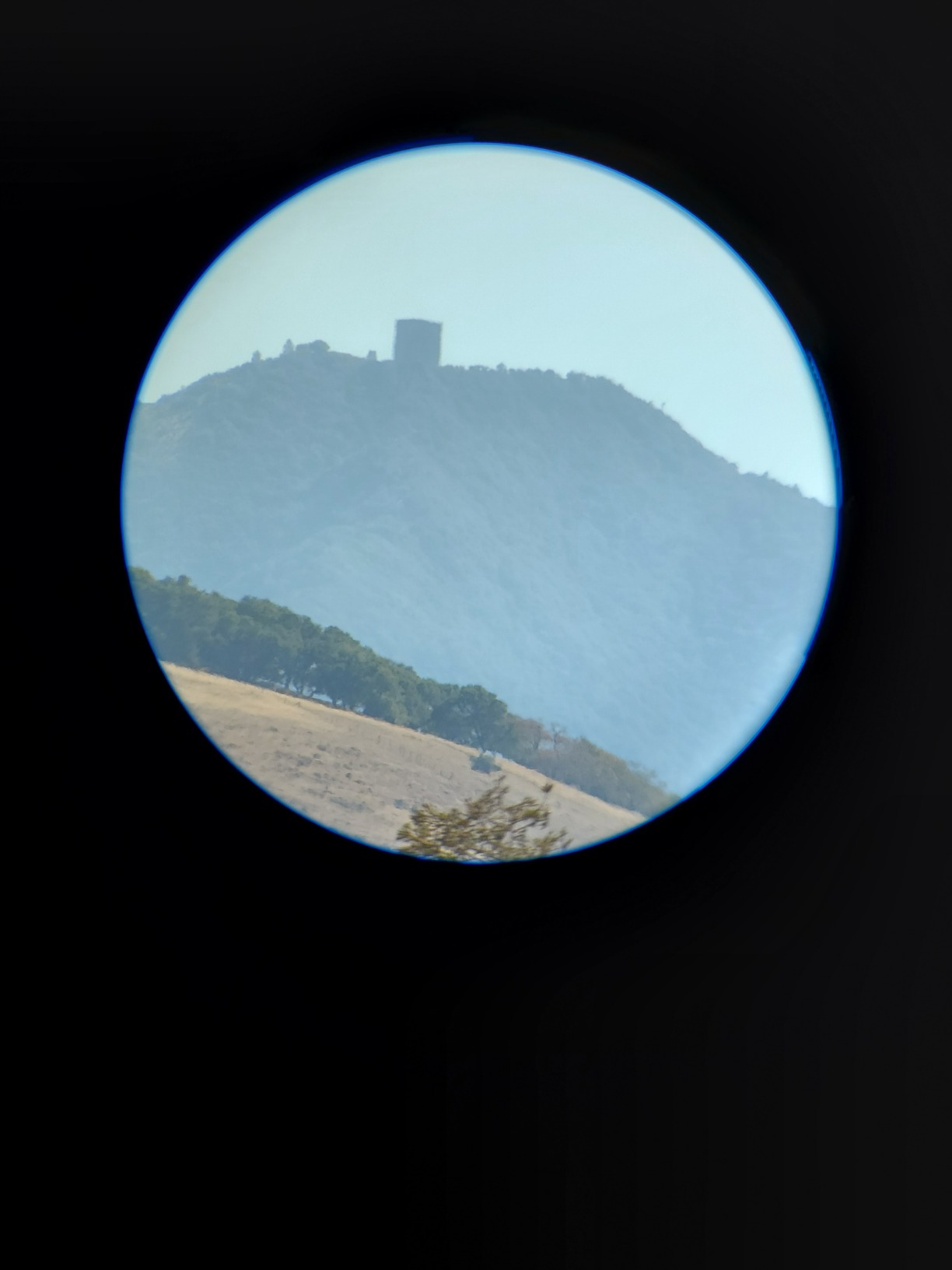
Two things temper the enthusiasm. First, the cost is far above every other eyepiece here, and reviewers are candid that the crispness still falls slightly short of dedicated fixed-focal-length premium designs at the same magnification. Second, the optics are sensitive to focus, particularly on short focal ratios where a fast Newtonian demands precision.
It is also a heavy item at 16 ounces, which is fine in a case and annoying in the field, and some units arrived with defects or a missing Barlow insert, so inspect it on arrival. For planetary work specifically, pair it with a quality 2x Barlow on a short-focal-length scope and the 8mm setting becomes a genuinely high-power configuration.
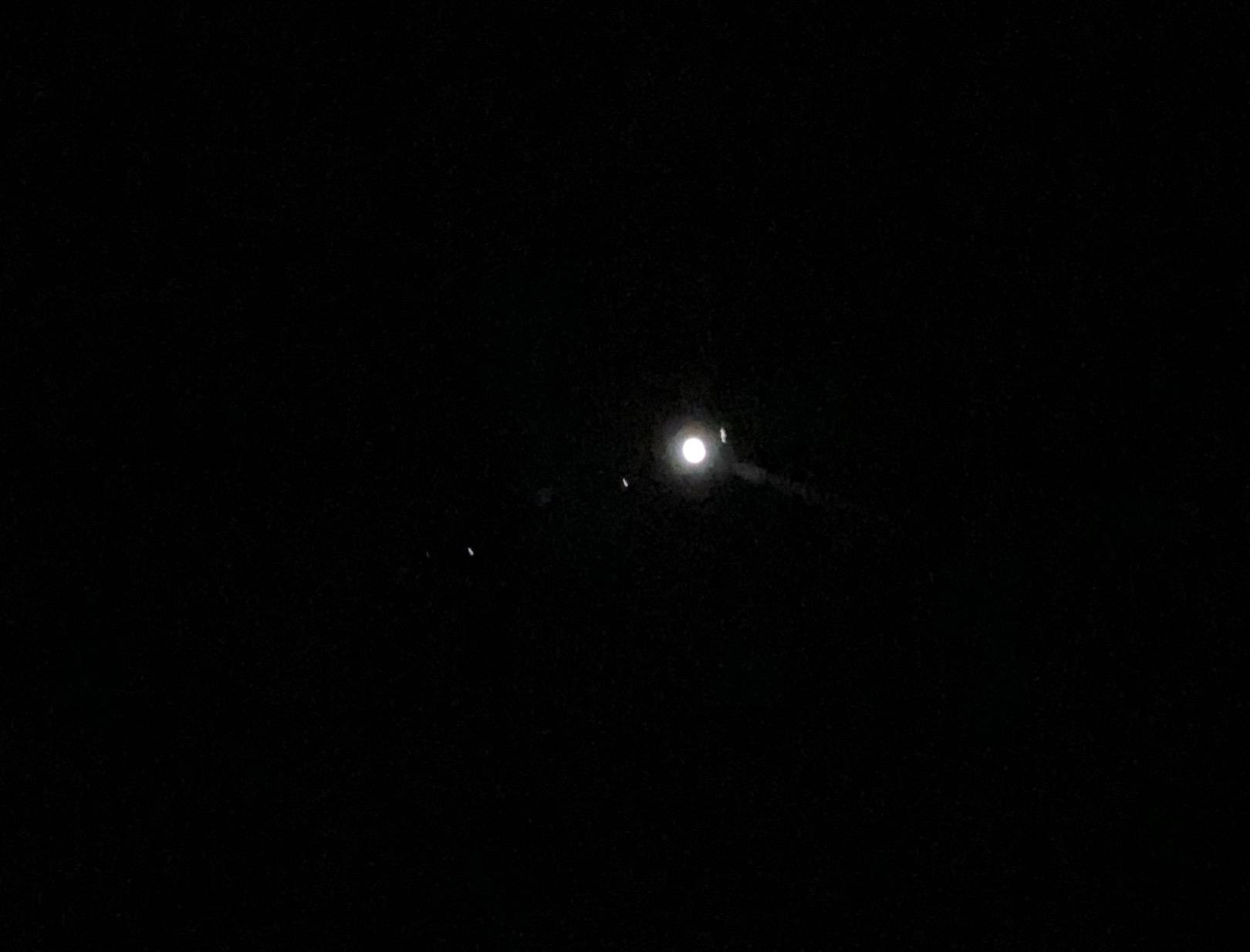
Who the Hyperion Suits
It suits observers who want one premium eyepiece for a binoviewer, because the click stops and holding eye relief are exactly what binoviewing needs. It also suits people who switch between a 1.25 inch and a 2 inch focuser and do not want to buy barrels separately.
Who the Hyperion Does Not Suit
It is not the right purchase for someone who needs to reach the maximum useful magnification on a long-focal-length telescope, because 8mm will not get there, and it is not the right purchase for a first upgrade on a modest scope. The cost-to-benefit is poor when a multi-coated 5mm or 6mm delivers most of the planetary result.
10. Celticbird Accessory Kit – Three Eyepieces, Four Filters and a Barlow in One Case
Celticbird Astronomical Telescope Accessory Kit – with 3pcs Plossl Eyepieces Set, 4pcs Filter Set, a 2X Barlow Lens
6mm, 12.5mm and 20mm Plossl set
2x Barlow plus four filters
T2 adapter and tele-extender
Lockable aluminium case
Pros
- Three eyepieces
- four filters and a Barlow in one package
- Colour filters make subtle Mars and Jupiter detail visible
- Solid metal parts in a lockable form-fit case
- Works with standard 1.25 inch telescopes
Cons
- Set skews toward low power for dedicated planetary work
- Some packages arrive without the advertised cloth
- May need a 1.25 inch to 0.965 inch reducer on older scopes
- Narrow Plossl fields
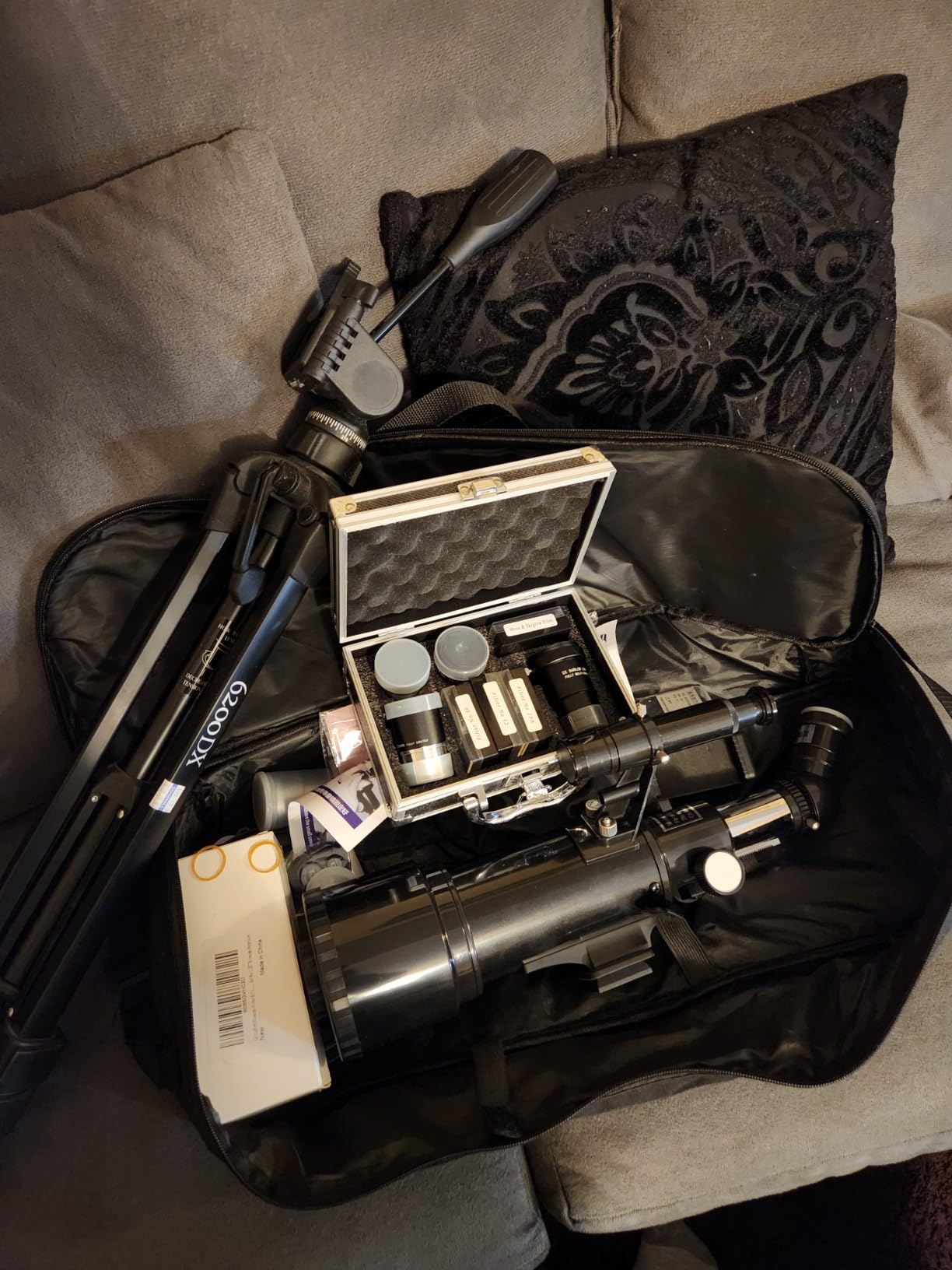
This is the only bundle on the list and it carries the highest average rating, at 4.6 stars from 161 reviews. Inside the lockable aluminium case you get three multi-coated Plossl eyepieces at 6mm, 12.5mm and 20mm, a visual 2x Barlow, four colour filters with a moon filter, a T2 adapter and a tele-extender. For an observer building a first setup from nothing, the arithmetic is difficult to argue with.
Buyer enthusiasm is mostly about the filters. Red, blue and yellow filters pull out surface detail on Mars, Jupiter and Saturn that white light simply does not show, and owners report good lunar, Saturn and eclipse views through the included set. The metal eyepieces and Barlow feel solid, and the form-fit foam case means nothing rattles.
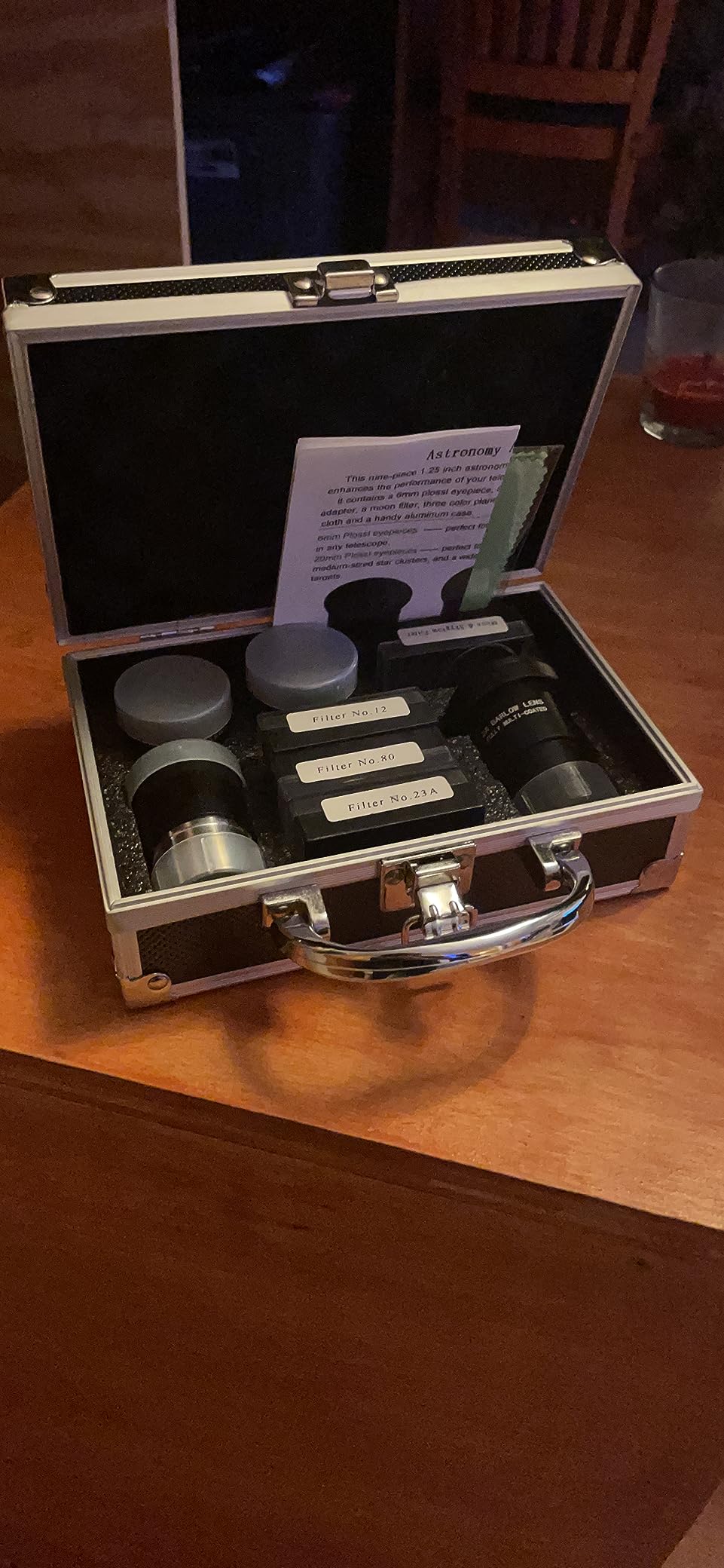
For planetary work specifically, the set is skewed toward low power. The 6mm is the shortest focal length in the box, and 20mm is a finder eyepiece rather than a planetary one, so this kit is really a general-purpose observing set that happens to include one useful high-power lens. If your telescope is a 6 inch Dobsonian, the 6mm plus the 2x Barlow is where the detail lives.
Plossl fields are also narrow, and older scopes with 0.965 inch focusers need a reducer adapter before any of this will fit. Some packages arrive without the advertised cleaning cloth, which is trivial, and the telescope-side practicality is what limits this kit rather than the optics.
Who This Kit Suits
It suits beginners building a first accessory set, families or clubs sharing equipment, and anyone who wants colour filters as much as eyepieces. The lockable case also makes it the easiest option to transport between locations.
Who This Kit Does Not Suit
It does not suit an observer who already owns good Plossls and wants a dedicated short-focal-length planetary eyepiece, because the set does not include one. It is also a poor fit for older 0.965 inch focuser telescopes without an adapter.
Why Wide-Field Eyepieces Are Not Automatically Better for Planets
Wider field is not the same as better planetary views, and this is the point most eyepiece roundups get wrong. Apparent field of view describes how much sky the eyepiece shows, and true field of view is that angle divided by magnification. A 100 degree eyepiece at 250x shows a small true field, but a large exit pupil and a shallow depth of focus, and the extra elements needed to flatten that field introduce more internal reflections.
Planets reward optical simplicity. Two groups of two elements in a Plossl put very little glass between the light and your eye, and that is exactly why experienced observers on Cloudy Nights say that good orthoscopic or Plossl designs give the cleanest, highest-contrast planetary views. Dedicated short-focal-length designs beat general-purpose ultrawides for comfort, and dedicated planetary designs beat general-purpose everything for contrast.
That is not an argument against wide fields entirely. A wider apparent field makes a planet far easier to find and far easier to keep centred, which in practice means you spend more of the night looking at the planet and less of it hunting for it. The 58, 60 and 66 degree designs in this list are the compromise we like best: wide enough to be forgiving, simple enough to stay contrasty.
The trap is assuming a 100 degree eyepiece will show more detail on Jupiter. It will not. It will show a larger, more forgiving image of the same planet, with slightly more scatter and a shallower focus tolerance. On a night of poor seeing, the shallower focus tolerance is what actually costs you the observation.
How to Choose a Planetary Eyepiece
Start with the arithmetic, because it removes most of the guesswork. Magnification equals the telescope’s focal length divided by the eyepiece’s focal length. A 1000mm telescope with a 6mm eyepiece gives about 167x; the same scope with a 4mm eyepiece gives 250x. Three steps: find your telescope’s focal length, divide by the eyepiece focal length you are considering, then check the result against the ceiling below.
The ceiling is roughly twice the aperture in millimetres. An 8 inch Dobsonian is about 203mm, so useful magnification runs to approximately 400x, and above that the atmosphere breaks the image apart faster than the magnification can resolve anything new. If a combination gives you 600x on a 6 inch scope, more magnification is not more detail, it is just a larger, blurlier, more unstable image.
Here is the cheat sheet we use. For a 600mm focal-length scope: a 25mm gives 24x, 20mm gives 30x, 12.5mm gives 48x, 10mm gives 60x, 6mm gives 100x and 4mm gives 150x. For a 900mm scope: 20mm gives 45x, 10mm gives 90x, 6mm gives 150x and 4mm gives 225x. For 1200mm: 20mm gives 60x, 10mm gives 120x, 6mm gives 200x and 4mm gives 300x.
Continue that pattern for the longer scopes. At 1500mm, a 20mm gives 75x, 10mm gives 150x, 6mm gives 250x and 4mm gives 375x. At 2000mm, 20mm gives 100x, 10mm gives 200x, 6mm gives 333x and 4mm gives 500x. At 2800mm, 20mm gives 140x, 10mm gives 280x, 6mm gives 467x and 4mm gives 700x. Check each number against the twice-the-aperture ceiling before you buy, because on the longest scopes a 4mm can be well past the useful limit in typical seeing.
Next, eye relief. This is the number that decides whether you can observe for an hour or squint for ten minutes. Eye relief is the distance from the top lens to your eye, and short focal lengths are exactly where designs fail. The warning repeated across observing forums is worth repeating here: avoid a Plossl or orthoscopic of 6mm focal length or shorter, and if you must use one, look for a design with at least 14mm of stated eye relief. Every 4mm on this list has a workaround; only some of them solve it properly.
Exit pupil comes next, and it is the most misunderstood term in the hobby. The exit pupil is the diameter of the cone of light leaving the eyepiece, and the rule is simple: it should not be larger than your dark-adapted pupil, usually 5mm to 7mm. If the exit pupil is bigger, you are wasting light on a dark background and the extra glass in a complicated design is doing you no favours. This is another reason a 4mm is a specialist tool rather than a universal answer.
Then check the barrel. Everything on this list is 1.25 inch, which is the right default because almost every amateur telescope has a 1.25 inch focuser and planetary eyepieces are light. A two inch barrel buys you heavier glass and wider fields, neither of which helps at high power, so it is worth paying for only if your wide-field needs justify it. If you do buy two barrels, keep both: the Hyperion on this list ships with both for exactly that reason.
Parfocality saves real time. A parfocal eyepiece focuses at the same position as the others in the set, so swapping from a 6mm to a 4mm does not send you back to the focus knob. It is not a sharpness issue, it is a convenience issue, and it matters most when you are changing eyepieces to chase a moment of steady seeing.
A Barlow is a negative lens that multiplies magnification, typically 2x or 3x, and it is the cheapest way to reach high power. The forum consensus is to buy a good one, because a cheap Barlow can degrade what an excellent eyepiece would otherwise show you. Use it when your telescope is short on focal length, and remember it does not add resolution, only size.
Finally, decide honestly whether you need an eyepiece at all. If you are still using the 25mm and 10mm that came with your telescope, you are leaving most of the aperture unused, and an eyepiece is by far the cheapest upgrade available. If you already own a good 6mm and 4mm and your images still look soft, the limiting factor is probably aperture, alignment or atmospheric seeing, and the money is better spent on a larger instrument or on a night with steady air.
Frequently Asked Questions
Which eyepiece is best for viewing planets?
For most amateur telescopes, a short-focal-length eyepiece between 4mm and 7mm gives the best planetary result, ideally with at least 14mm of eye relief and a moderate apparent field. On this list, the Celestron X-Cel LX 5mm delivers the best balance of contrast and comfort, while the SVBONY SV135 7-21mm zoom is the most practical single-eyepiece choice because it covers the whole planetary range.
What is the best magnification for viewing planets with a telescope?
Useful magnification tops out at roughly twice the aperture in millimetres, so a 150mm aperture scope is useful to about 300x. Jupiter’s cloud bands and Saturn’s rings usually reveal themselves between 100x and 250x, Mars needs 200x or more, and the Moon responds well at almost any power. Adding magnification past the limit only enlarges the image without adding detail.
Can you see Jupiter with a 20mm eyepiece?
Yes, but you will not see much. A 20mm eyepiece on a 1000mm focal-length telescope gives only 50x, which shows Jupiter as a small disc with its four Galilean moons and the broad banding, but not the festoons, shadows or storm detail. Move to a 6mm or 4mm eyepiece on the same scope for roughly 167x to 250x before the detail appears.
Is a 10mm or 20mm eyepiece more powerful?
A 10mm eyepiece is more powerful, because magnification equals the telescope’s focal length divided by the eyepiece’s focal length. The smaller the eyepiece focal length, the higher the magnification. On a 1200mm scope, a 20mm gives 60x and a 10mm gives 120x, so the 10mm doubles the power and roughly doubles the visible detail on a planet.
Should I upgrade my eyepieces or buy a better telescope?
Upgrade the eyepieces first if you are still using the 25mm and 10mm that came with the telescope, because that single change reveals far more than most people expect. Once you own a good 4mm, 6mm and a low-power eyepiece, further eyepiece gains are subtle, and aperture, collimation and atmospheric seeing become the real limits. A larger aperture beats any eyepiece upgrade beyond that point.
Conclusion: Which Planetary Eyepiece Should You Buy?
Pick the SVBONY SV135 7-21mm zoom if you want one eyepiece that covers the entire planetary range on a single telescope, and it is our top recommendation for a reason: 4.5 stars across more than 1.5k reviews, real eye relief and a zoom that holds focus. Buy the Celestron X-Cel LX 5mm if contrast on fine Jovian and Saturnian detail matters more to convenience. Buy the SVBONY 4mm 62 degree if your budget is the deciding factor and you want real magnification for very little money.
On a 6 inch Dobsonian, the Astromania 4mm is worth the extra for its eye relief. If you wear glasses, the SVBONY 6mm Gold Line or the Astromania 4mm are the two that owners most often confirm work. If you already have a kit and want the shortest upgrade, the Celticbird set bundles a 6mm, a 2x Barlow and the colour filters that make subtle planetary markings visible. And if you binoview, the Baader Hyperion is the only one here whose click stops and holding eye relief were designed for it.
Whichever you choose in 2026, do the arithmetic first, stay at or below roughly twice the aperture in millimetres, and pick the one you will actually want to look through at midnight. The best telescope eyepieces for planetary views are not the most expensive on the shelf, they are the ones that put a sharp, comfortable image of the planet in front of you when the seeing turns steady.